

























Why Android Find Hub Trackers Still Overlook UWB Technology

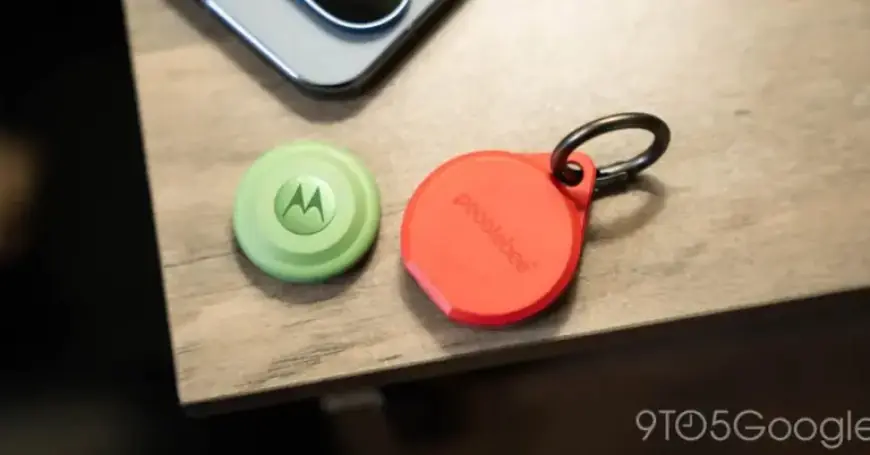
Ultra-wideband (UWB) technology offers precise location tracking capabilities that Bluetooth cannot match. Despite this, the majority of Android Find Hub trackers continue to overlook the integration of UWB. This article explores the reasons behind this oversight, particularly in comparison to the Apple AirTag.
The Applicability of UWB Technology
UWB technology enables smartphones to calculate distances accurately between devices. For instance, it allows trackers to provide not just a general location, but an exact distance and direction to the item. This is particularly useful for locating smaller items like keys or wallets.
Current State of Android Find Hub Trackers
As of now, only the Moto Tag features UWB support among Android Find Hub trackers. A sequel, the Moto Tag 2, is expected to maintain this feature. However, an upcoming Xiaomi Tag seems set to launch without UWB capability, continuing a trend of lackluster adoption.
Market Fragmentation and Limited Hardware Support
- Many Android devices, particularly mid-range models, do not support UWB.
- While flagship models like the Pixel Pro and Galaxy Ultra include UWB, popular devices like the Pixel 10 do not.
- This hardware fragmentation limits the incentive for tracker manufacturers to adopt UWB technology.
Even prominent brands like OnePlus and Oppo lack UWB support in their devices. Consequently, the inability to rely on a robust UWB hardware base is a significant barrier for Android tracker developers.
Impact of Apple’s Strategy
Apple’s AirTag prominently features UWB with its “Precision Finding” capability, which is not available for third-party trackers. Apple has effectively monopolized this feature with its proprietary Find My network, creating significant obstacles for competitors.
Challenges for Third-Party Trackers
- Most third-party trackers must rely on Bluetooth, as Apple restricts UWB access.
- Developers express frustration at the lack of incentive to create UWB-compatible trackers when they cannot be widely utilized.
Pebblebee, a leading manufacturer of Find Hub trackers, has noted that integrating UWB only for Android would confuse consumers. Additionally, UWB technology incurs additional manufacturing costs, which complicates pricing strategies in a competitive market.
Future Considerations
Currently, the lack of Android hardware support and Apple’s restrictive policies appear to be the primary reasons why UWB is not widely adopted in Android tracking devices. Until these issues are addressed, manufacturers have little incentive to invest in UWB capabilities. However, as the technology evolves and market dynamics shift, we may see a change in this landscape in the future.
For more insights into the latest in tech and trends, keep reading Filmogaz.com.