






















Wuthering Heights review and box office: steamy debut divides critics as it heats up holiday weekend

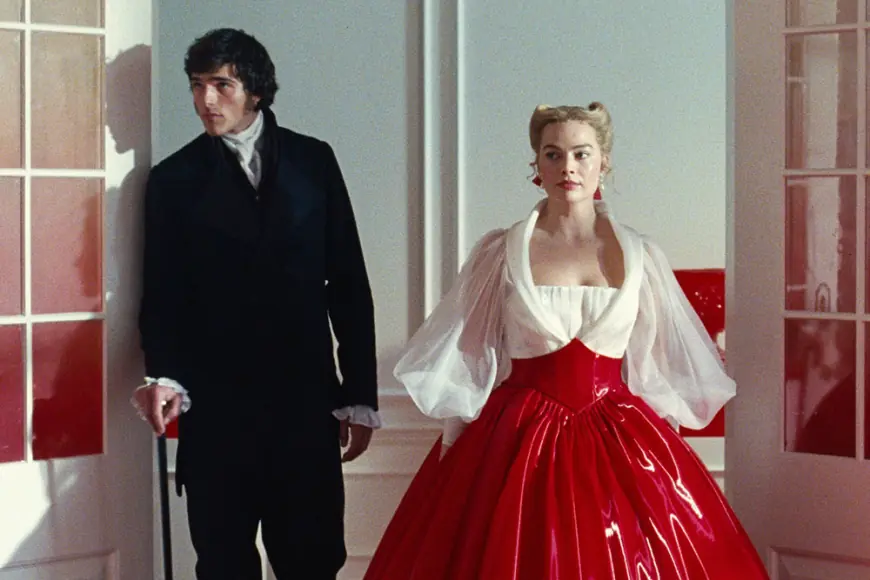
Emerald Fennell’s glossy, highly sexualized remake of Wuthering Heights opened over the President’s Day four-day holiday (Feb. 14–17, ET) with a robust international launch and a polarized critical reception. The film’s brazen choices — from explicit erotic beats to major structural pruning of the novel — have produced strong ticket sales but sharp artistic debate.
Box office launch and financial picture
The R-rated romantic drama pulled in roughly $34. 8 million domestically from 3, 682 theaters in its opening weekend and was on track to reach about $40 million through the four-day holiday frame. Overseas audiences added roughly $42 million from more than 70 territories, pushing the global start to about $82 million. With a production budget in the neighborhood of $80 million, early grosses give the picture a fighting chance to recoup costs, though a sustained international run will be important to justify the outlay once marketing is counted.
Opening-day demographics skewed heavily female, with women making up more than three-quarters of early audiences for the title. Exit polling placed audience sentiment in the middle of the road — a solid but not glowing grade that leaves word-of-mouth a key variable for upcoming weeks. The movie led the holiday frame against a slate of new and holdover releases, underlining the enduring commercial appetite for star-driven, adult romantic dramas timed around Valentine’s Day.
Critical reception: style over substance?
Critics are split, but many voiced frustration with the film’s priorities. The director amplifies camp, sexual spectacle and fashion-forward visuals, turning classic moorland melancholy into a succession of bodice-ripping, highly staged set pieces. Performances drew mixed notes: the leads are described as magnetic in places but underused or misdirected at others, while a veteran supporting player repeatedly steals scenes with a bolder, steadier tonal anchor.
Where Fennell’s approach finds support is in sheer audacity and visual swagger — the movie never shies from pushing eroticism, power dynamics and mood to extremes. Where it loses audience members is in the emotional plumbing beneath the affect. Longstanding fans of the novel and viewers seeking psychological depth complained that the adaptation sacrifices consequence and the novel’s moral opacity for frisson and stylized provocation. The film’s tonal flirtation with camp and pastiche leaves some moments feeling intentionally silly, undermining the tragic force that defines the source material for many readers.
Adaptation choices and cultural flashpoints
The filmmaker makes several conspicuous cuts and revisions. Key secondary characters and the generational second half of the novel are largely excised, refocusing the narrative on the central tempestuous couple. Decisions to downplay or erase aspects of the original text that touch on race and family legacy have also drawn criticism, with detractors arguing the film sidesteps difficult themes rather than confronting or repurposing them.
Some scenes reframe abuse and cruelty in ways that verge on eroticized play, a move that unsettles viewers who expected a grimmer, more complex rendering of power and pain. Others praised the film’s willingness to challenge period melodrama with modern, transgressive impulses, even if that shift produces uneven results.
At the box office, the title’s initial strength suggests a commercially viable audience for provocative, star-led literary adaptations when released during key calendar moments. Artistically, the film’s choices have ignited debate: for some it is a daring reinvention, for others an emotionally hollow, style-first exercise. The coming weeks will reveal whether audiences reward the gamble with staying power or allow the controversy to overshadow its theatrical run.