















EU Diplomat Dismisses US Claims of European ‘Civilizational Erasure’

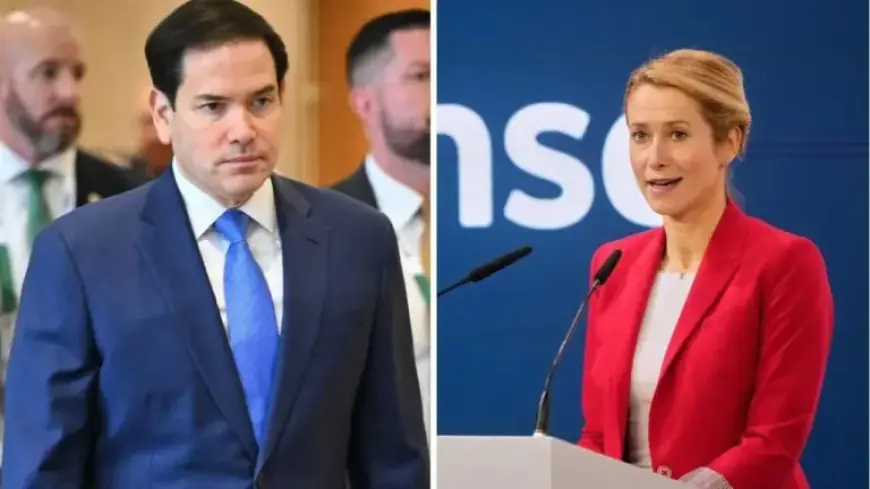
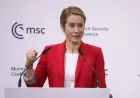
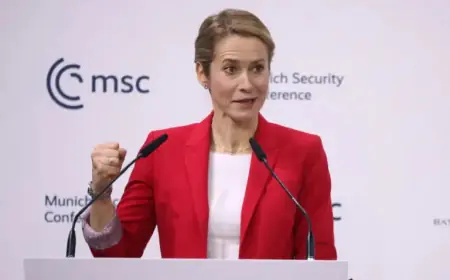
The ongoing tensions between the United States and Europe regarding immigration and civilizational integrity were a focal point during the Munich Security Conference. EU diplomat Kaja Kallas firmly rebutted U.S. claims that Europe is experiencing a civilizational decline.
EU Diplomat Responds to U.S. Claims of ‘Civilizational Erasure’
In her remarks, Kallas emphasized that Europe is not facing a crisis of civilization despite assertions of “woke, decadent Europe.” She expressed her views on the final day of the Munich Security Conference, where she engaged in discussions about defense and immigration issues.
U.S. Stance on European Immigration
During the conference, U.S. Secretary of State Marco Rubio voiced reassurances about the transatlantic alliance. He stated that the United States and Europe “belong together” but underscored the need for Europe to protect its heritage from mass immigration.
Kallas shared her acknowledgment of the intertwined futures of America and Europe while noting existing differences. “It is clear that we don’t see eye to eye on all issues, and this will remain the case,” she said.
Controversial U.S. National Security Strategy
A December 5 report from the U.S. administration highlighted concerns about European migration policies. This document warned of potential transformations in the continent over the next 20 years due to ongoing trends. The report’s phrasing, which described a risk of “civilizational erasure,” startled many Europeans.
- Europe occupies all top 15 spots on the 2025 global Press Freedom Index.
- The United States dropped to 57th place—its lowest ranking in history.
Addressing the Russian Threat
Kallas also reflected on the ongoing war in Ukraine, stating that it is vital for Europe to assert its defense capabilities in light of Russian aggression. She characterized Russia as a “broken” state and highlighted the importance of strategic negotiations to ensure that Russia does not gain undue advantages.
“European defense starts in Ukraine,” Kallas remarked, indicating that the outcome of the conflict is vital for the continent’s security architecture.
The Call for European Independence
French Minister for European Affairs, Benjamin Haddad, supported Kallas’ sentiments by insisting on the pressing need for Europe to boost its military independence. He underscored that European nations should prioritize their own readiness and support for Ukraine rather than heavily relying on U.S. guidance.
Haddad criticized the complacency that could arise from overly interpreting U.S. reassurances, urging Europe to take control of its destiny in addressing the threats posed by Russia.
In summary, the discourse at the Munich Security Conference underscored significant transatlantic differences concerning immigration and security while reaffirming the critical need for European unity and independence.