























Europeans Dismiss U.S. Allegations Following Rubio’s Munich Speech

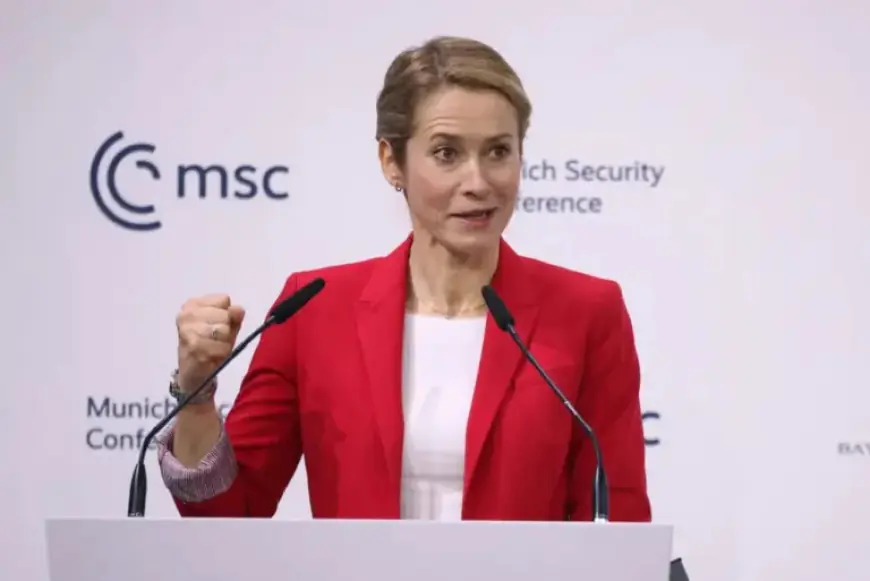
During the recent Munich Security Conference, EU foreign policy chief Kaja Kallas responded to U.S. allegations regarding Europe’s future. She firmly challenged U.S. claims of “civilizational erasure,” dismissing critiques from the Trump administration. Kallas delivered her remarks a day after U.S. Secretary of State Marco Rubio spoke to European allies, offering a less aggressive stance compared to Vice President JD Vance’s previous addresses.
Rubio’s Munich Speech
Rubio’s address touched upon U.S. intentions to reshape the trans-Atlantic alliance, aligning with current U.S. policy priorities. He asserted that an end to the trans-Atlantic era is not the goal of Washington. “Our home may be in the Western hemisphere, but we will always be a child of Europe,” Rubio stated. This reaffirmation aims to mend any fraying ties while maintaining a critical viewpoint on European economic policies.
Europe’s Response to Criticism
Kaja Kallas referred to the U.S. national security strategy from December, which suggested Europe’s decline in various aspects. The strategy mentioned issues such as economic stagnation and political weaknesses due to immigration policies and declining birth rates.
- Economic stagnation in Europe
- Declining birth rates
- Censorship of free speech
- Suppression of political opposition
- Loss of national identities
Kallas asserted, “Woke, decadent Europe is not facing civilizational erasure.” She expressed confidence in Europe’s appeal, emphasizing interest from non-European nations in joining the EU. During her previous visit to Canada, she noted that many Canadians showed interest in European Union membership.
The Importance of Values in Europe
British Prime Minister Keir Starmer also emphasized European values during the conference, advocating for the defense of diverse societies. He highlighted the strength that arises from peaceful coexistence among individuals with different backgrounds. Starmer stated, “This isn’t against the tenor of our times. Rather, it is what makes us strong.”
Kallas appreciated Rubio’s speech, recognizing the intertwined nature of U.S. and European relations. She acknowledged the existing differences but believes there is potential for collaboration moving forward. “We may not see eye to eye on all issues, but we can work from there,” Kallas concluded.
The discussions at the Munich Security Conference underscored ongoing tensions and the need for continued dialogue between the U.S. and its European allies, particularly regarding differing perspectives on migration, climate, and trade policies.