














James Van Der Beek’s medical bills and an auctioned wardrobe expose the fragile safety net for working actors

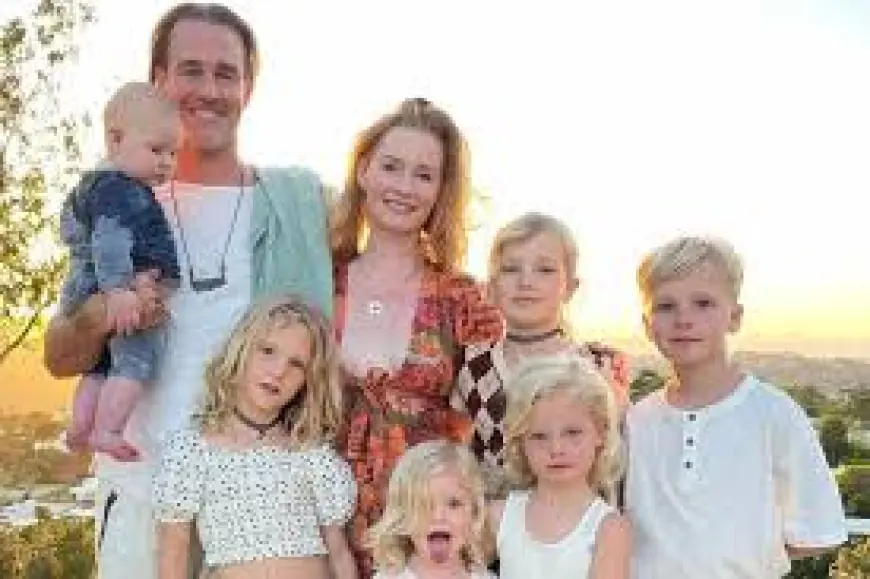
James Van Der Beek, the actor who rose to prominence in the 1990s as the lead of a much-loved teen drama, died on Wednesday, February 11, 2026 (ET) at the age of 48 after a three-year battle with colorectal cancer. In the months before his death, he and his family made public how medical costs and limited residual income imperiled their finances, prompting a widely shared fundraising appeal and a public auction of career memorabilia.
Medical costs pushed family to a public plea
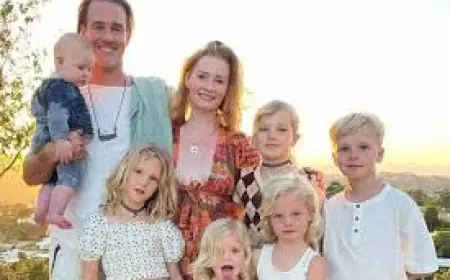
The actor and his wife, parents of six children, faced mounting treatment expenses that their family said threatened their ability to keep their home. In response they sought financial help, and donors have contributed a substantial sum. The couple also sold items from across his career — including a tartan buttoned shirt worn in the first episode of the show that defined him, a necklace featured on a co-star’s character, and sports shoes from a late-1990s film — explaining they had been saving such treasures and felt the moment had come to let them go to help cover bills.
Van Der Beek continued to work while undergoing treatment, appearing in television in 2025, but those credits did not erase the strain of prolonged illness. The family’s fundraising and the auction underscored the financial flip side of celebrity: visibility does not automatically translate into long-term financial security, especially when serious medical care is required.
The broader structural gaps behind one family’s crisis
One core issue highlighted by the actor’s situation is the absence of meaningful residual payments tied to certain contracts he signed early in his career. He has long said that his original deal for the breakout series paid him almost nothing and did not include residuals — the recurring payments performers receive when shows are rerun or streamed. Those ongoing payments can dramatically change an entertainer’s lifetime earnings, and when they are absent, performers can face gaps in income decades later.
Health insurance through the primary performers’ union depends on meeting work or earnings thresholds. To qualify, an actor typically must work at least 108 days on union projects in a year or earn a minimum amount on union shoots. It is unclear whether recent work would have been enough for Van Der Beek to meet those benchmarks. Industry shifts — including how streaming platforms distribute programming and how contracts are negotiated for new media — have diminished some of the revenue streams many performers historically relied on.
Van Der Beek’s decision to sell long-kept props and wardrobe pieces reflects a reality that many working actors face: careers can be intermittent, pay structures can leave gaps, and a sudden health crisis can quickly exhaust savings. Others in the industry have made similar disclosures in recent years, showing a pattern in which medical crises interact with precarious compensation models to create severe financial vulnerability.
What the story leaves on the table
The episode invites broader questions about how artists are compensated across changing distribution models and what safety nets exist for those who fall ill. It also points to the increasingly public nature of private hardship: once-private memorabilia and family appeals become tools to meet immediate needs when more traditional forms of support are insufficient.
James Van Der Beek’s passing at 48 has prompted an outpouring of sympathy for his family and renewed attention to the financial realities faced by many in creative professions. The combination of costly medical care, evolving industry economics, and contractual gaps can create a perfect storm for families already juggling the demands of caregiving and career. For now, the funds raised through donations and auctions aim to provide short-term relief and prevent the family from losing their home, even as longer-term conversations about compensation and insurance eligibility continue to reverberate through the community.