
























US Lawmakers Push Taiwan to Approve $40 Billion Defense Plan as Trade Deal Advances

A bipartisan group of 37 US lawmakers has urged Taiwan's legislature to pass a proposed multi-billion dollar defense package, saying the island faces intensifying pressure from the mainland. The appeal comes as Taipei and Washington sign a new trade agreement aimed at lowering tariffs and strengthening semiconductor and AI links — a development that still requires parliamentary approval.
Pressure mounts on parliament
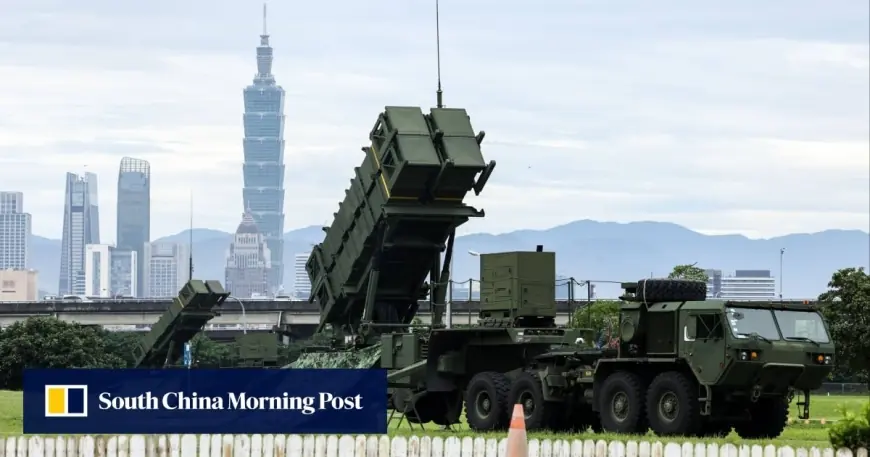
The letter addressed to parliamentary leaders pressed for passage of a supplemental defense budget first proposed by President Lai Ching-te, who sought roughly $40 billion in additional funding last year. That proposal remains stalled in an opposition-led legislature that has circulated a pared-down alternative covering only part of planned US arms purchases. Lawmakers who backed the letter warned that China is deploying increasingly comprehensive means to try to control Taiwan and urged a significant boost in defensive outlays.
Taiwan’s leadership has framed the extra spending as a necessary step to safeguard security and preserve regional stability rather than an act of provocation. President Lai has appealed to opposing parties to begin a substantive review of the special budget bill when the legislature reopens on Feb. 24, 2026, ET. With the bill held up, officials caution that delays could complicate long-term procurement plans and the island’s ability to coordinate closely with partners.
Trade pact raises tech and strategic stakes
In parallel with the defense push, Taiwan signed a trade agreement with the United States this week designed to lower tariffs and deepen cooperation in high-tech sectors. Taipei’s leadership called the deal a milestone for foreign trade and said it would better integrate Taiwan’s semiconductor and information and communications technology industries with the US artificial intelligence sector.
The trade package is being sold domestically as a chance to lock Taiwan’s critical tech industries into strategic supply chains and open new commercial pathways. However, the agreement must still pass parliamentary scrutiny before it takes effect, and that approval process will unfold against the backdrop of vigorous domestic debate about fiscal oversight and the proper balance between security imperatives and democratic accountability.
Political tug-of-war and fiscal scrutiny
Opposition parties have stressed the need for democratic oversight and fiscal responsibility in weighing the defense request. One major opposition grouping has argued for a more constrained spending plan that funds only select arms purchases, while a centrist party emphasized that greater transparency and scrutiny are necessary for such a large outlay. Those objections reflect broader public concerns about budget priorities at a time when Taipei is also negotiating complex trade and technological arrangements.
Observers point out that swift passage of the defense budget would signal Taiwan’s commitment to deter coercion, reassure partners coordinating military sales, and maintain momentum on modernization programs. Conversely, extended delay risks eroding urgency in allied planning and could complicate procurement timelines tied to foreign suppliers. For the tpe country, balancing robust defense preparedness with accountable fiscal policy will be a central political test in the coming weeks.
As lawmakers return and debate resumes, Taipei faces simultaneous pressures: to secure the defenses leaders say are needed for deterrence and to shepherd a high‑stakes trade agreement through parliament that promises closer integration with global AI and semiconductor ecosystems. The outcome will shape both the island’s strategic posture and its economic trajectory in an increasingly contested region.