






















Small Prophets: Mackenzie Crook’s suburban fable delivers gentle, uncanny delight

Small Prophets, the six-part comedy from Mackenzie Crook, quietly upends the tidy rhythms of suburban life with a small act of alchemy and a lot of heart. The series, which debuted on Feb. 9 at 5: 00 p. m. ET, trades big spectacle for intimate wonder, turning the ordinary into something unexpectedly magical.
A quiet wonder beneath the everyday
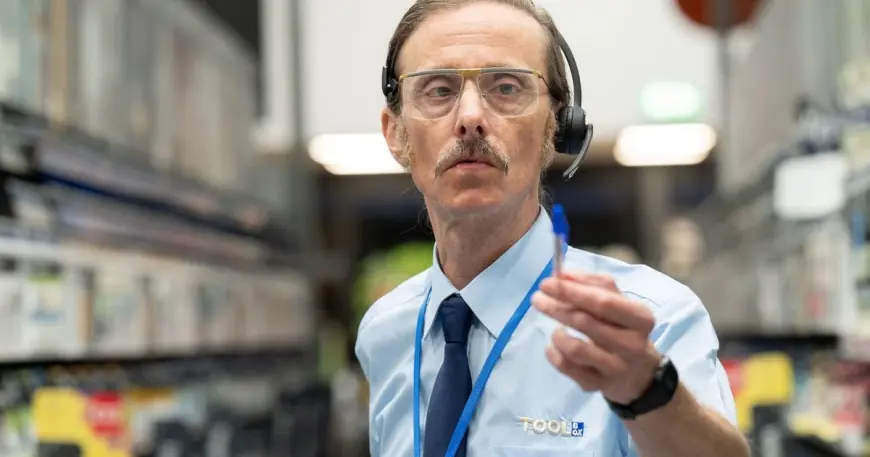
At first glance the show reads like a tenderly observed character study: Michael Sleep (Pearce Quigley) is a man trapped in routine, living alone in an overgrown semi on a south Manchester cul-de-sac, working the shop floor of a DIY store and visiting his father in a nursing home. The absence at the centre of his life—his girlfriend Clea vanished seven years earlier—could have pushed the series toward dour melodrama. Instead, Crook teases out a gentle strangeness.
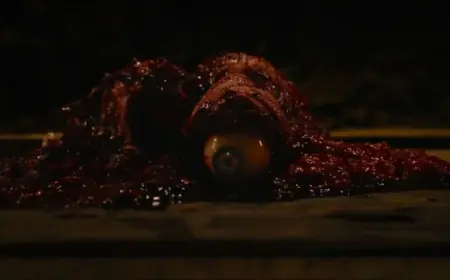
What lifts the series is its slow reveal of something uncanny beneath Michael’s routines. He and a young colleague, Kacey (Lauren Patel), embark on an improbable experiment: an old recipe that produces tiny, jar-bound creatures capable of answering questions and foretelling what’s to come. The premise sounds fantastical on paper, but Crook and his collaborators steer it away from gimmickry. The homunculi at the story’s heart become a lens through which grief, hope and human connection are explored, and the show’s magic feels earned rather than flippant.
Casting, character work and tonal mastery
Crook’s casting is a quiet triumph. Pearce Quigley, familiar to viewers from earlier work with Crook, carries the lead with a mix of melancholy, mischief and stubborn optimism. Lauren Patel’s Kacey is a revelation: worldly and vulnerable, she forms with Michael a relationship that’s tender, platonic and one of the series’ most affecting threads. Their rapport—equal parts Harold-and-Maud warmth and true friendship—anchors the show’s emotional core.
Sir Michael Palin, returning to television acting after several years away, plays Brian, Michael’s father. Palin brings an easy humanism and comic timing that punctures gloom without diminishing pain. The supporting cast, from a meddling neighbour to shop-floor colleagues, are drawn with similar care; each small role is given weight and a memorable moment. Crook’s scripts favour specificity and restraint, delivering lines that feel thought-through and humane rather than broadly comic.
Tonally, Small Prophets is very much in the creator’s wheelhouse: the same observational patience evident in earlier work is present, but the ambitions are different. Where past projects mined the pastoral for treasure, this one finds the uncanny in the concrete—marble runs, tartan-paint jokes and domestic eccentricities sit alongside jars of tiny seers. The result is whimsical without being twee, sad without being bleak, and consistently surprising.
Local texture and where the show lives
Filmed around Greater Manchester, the series wears its setting lightly but recognisably. Local high streets, a familiar DIY store exterior repurposed as the Toolbox workplace, and the cosy interior of a community pub help root the story in a domestic geography that feels lived-in. Night-time walks along suburban streets, riverside paths and small-cafe interludes give the show a tactile sense of place that amplifies its emotional beats.
Across six episodes, Crook shapes a narrative that rewards patience: revelations arrive slowly and are folded into scenes that linger on small acts of kindness and mischief. For viewers who cherish character-led comedies that trust silence as much as jokes, Small Prophets is a richly humane pleasure—a modest, surprising series that insists on finding wonder where you least expect it.