























India v Pakistan: T20 World Cup rivalry returns to Colombo

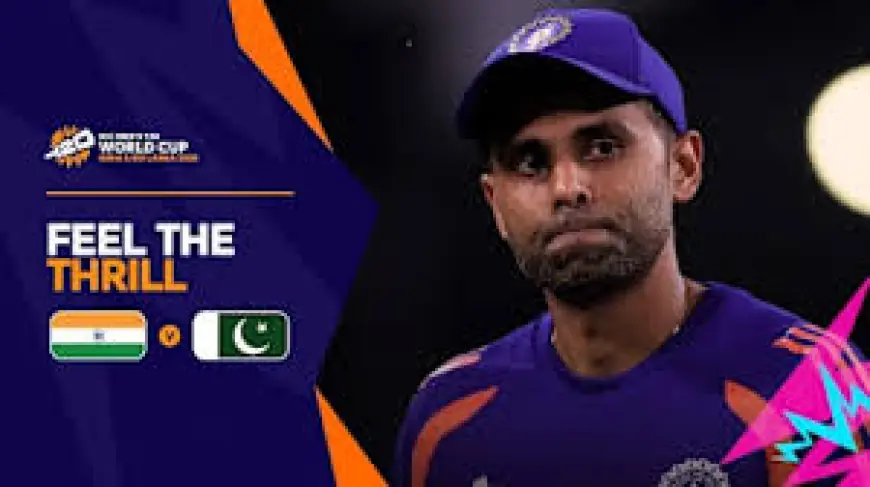
The long-awaited India v Pakistan T20 World Cup meeting is underway in Colombo, with Pakistan winning the toss and electing to bowl. A full R. Premadasa Stadium is providing a raucous backdrop as two teams that have already secured safe passage from their group meet in what many see as a match that transcends tournament mathematics.
Toss, teams and conditions
Pakistan captain Salman Agha called it right and inserted India, a decision that Suryakumar Yadav said he would not have minded reversing. The playing surface is expected to be tacky and slow — the same pitch that produced an upset earlier in the tournament — which could favour spinners and make for a grinding contest rather than a high-octane slog.
Both sides named strong line-ups. Pakistan’s XI is: Sahibzada Farhan (wk), Saim Ayub, Salman Agha (capt), Babar Azam, Shadab Khan, Usman Khan (wk), Mohammad Nawaz, Faheem Ashraf, Shaheen Shah Afridi, Usman Tariq, Abrar Ahmed. India’s XI is: Ishan Kishan (wk), Abhishek Sharma, Tilak Varma, Suryakumar Yadav (capt), Hardik Pandya, Shivam Dube, Rinku Singh, Axar Patel, Kuldeep Yadav, Varun Chakravarthy, Jasprit Bumrah.
The stadium is a mosaic of colours and noise, filled with supporters from both nations and many neutral fans who have travelled to witness one of cricket’s most storied rivalries.
Politics, parity and a patchwork path to the fixture
The build-up to this match has been as much about diplomacy as it has been about cricket. Earlier announcements and withdrawals left the fixture’s staging in doubt, with regional tensions spilling into the sport and prompting last-minute negotiations to keep the game on the schedule. The negotiation dance reflected the commercial stakes tied to the tournament and the view that some matches are simply too consequential to omit.
Recent months have seen decisions and incidents that amplified the off-field unease: a national team withdrawal from the tournament, political decisions affecting player participation in domestic leagues, and visible coldness between the sides at recent regional events. At one high-profile meeting last year, Indian players declined routine post-match courtesies toward their opponents; political leaders added heat to the narrative by framing sporting results in nationalistic terms. The crossflow of politics and cricket has left many observers lamenting the recurrent use of the game as a proxy for broader disputes.
What’s at stake on the field
Technically, neither side is desperate. Both India and Pakistan have already won twice in this stage of the competition, so a defeat here would not eliminate either team. Still, the emotional and reputational currency attached to an India v Pakistan result is enormous. Players and fans treat the fixture as a standalone event where bragging rights and national pride carry weight beyond points tables.
Expect the contest to be tightly contested: India’s balanced batting line-up and pace spearhead contrast with Pakistan’s all-round depth and wicket-taking options through pace and spin. The slow surface could tilt strategic emphasis toward spin containment and careful shot selection, making powerplay overs crucial and the middle phase a tactical battle.
Critics have framed the fixture as a fractious spectacle, with some calling the match a miserable, toxic display when politics and sport collide. Others insist that, on the pitch, cricket still offers an arena for skill, drama and reconciliation of sorts. For now, the teams are out there doing what they do best: contesting a cricket match under intense global scrutiny.
Whatever the final result, the fixture will reverberate widely: a sporting event threaded with geopolitics, commercial significance and the raw emotion of supporters across the subcontinent and beyond. For players, it is another high-pressure game to be negotiated ball by ball; for fans, it is a fixture that matters in ways that transcend the tournament table.