
























Frida Baby controversy explained

Frida Baby is facing intense backlash after several old packaging designs and social media posts with sexual innuendo were reshared online, prompting calls for boycotts and a rapid cleanup of the brand’s online presence. The resurfacing of these materials on February 12, 2026 (ET) reignited debate over where edgy parenting humour ends and inappropriate marketing begins.
What sparked the backlash
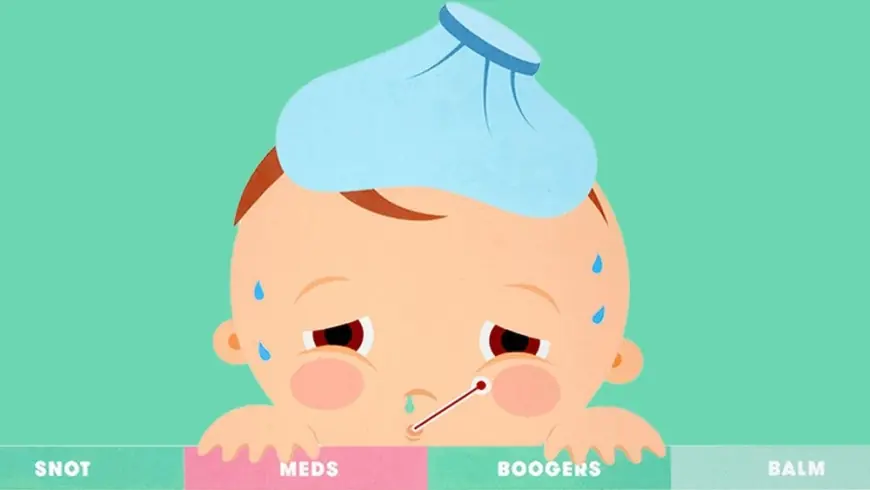
The controversy centers on imagery and copy that juxtaposed sexual innuendo with infant-care products. Screenshots of a social post paired with a 3-in-1 rectal thermometer read, “This is the closest your husband’s gonna get to a threesome. ” Other packaging and campaign lines included phrases such as “How About A Quickie?”, “I Get Turned On Easily” on a humidifier, and a 2020 social post captioned “What Happens When You Pull Out Too Early” alongside a baby with nasal discharge.
Those lines were intended, in the brand’s earlier voice, to use blunt humour to relieve the stress and embarrassment many parents feel. But critics argued the sexualized language was jarring and unacceptable when applied to products meant for infants, and images of the slogans spread quickly on parenting forums and broader social feeds.
Company reaction and immediate fallout
The company began removing older social posts and disabled its public team page shortly after the material circulated widely. Current team members were publicly identified in some posts, including the director of packaging, the vice president of marketing strategy and a package design production manager. The founder and CEO, who launched the brand after introducing a Swedish nasal aspirator to the U. S. market in 2014, has not issued a full public statement tied to the resurfaced content.
Calls for boycotts emerged within hours. Commenters flagged the perceived mismatch between a brand that sells infant health and hygiene products and marketing copy that uses sexual double entendres. Some observers noted that because the cited materials are older, the criticism may be amplified by people who were not existing customers when those campaigns ran.
Why the debate is sticking
Defenders of the brand’s earlier tone argue the approach was meant to break thinly veiled euphemisms around parenting and to offer comic relief for exhausted caregivers. Supporters pointed out the brand had also publicly challenged social norms around breastfeeding and the policing of women’s bodies.
Opponents counter that sexualized phrasing tied to baby products crosses a line and raises questions about judgment and brand oversight. The incident has become a test case in how brands that trade on frankness and irreverence manage archival content and tone as they scale.
For now, the immediate business impact is unclear. Retail partners and larger buyers often monitor brand controversies closely, and trust erosion among core customers could have longer-term consequences. Observers will be watching whether the company issues a full apology, explains the timeline behind the campaigns, or outlines steps to prevent similar issues in the future.
As the story continues to unfold, the debate remains centered on balance: how to maintain a distinctive brand voice while avoiding language that many find unacceptable when it touches products for infants and children.