





















Six Nations 2026: Scotland stun England to reclaim Calcutta Cup in Murrayfield mauling

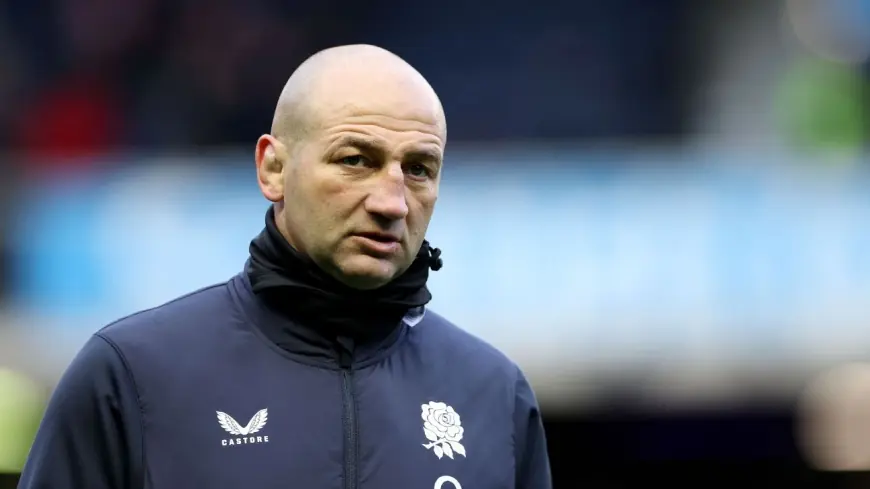
Scotland delivered a seismic performance at Murrayfield on Saturday afternoon (ET), running out 31-20 winners over England to take the Calcutta Cup. The win was a statement in response to last week's calamity in Rome, with Sione Tuipulotu and Finn Russell among the standouts as Scotland turned early momentum into a convincing triumph. England’s game unpicked itself through a series of costly errors and indiscipline, leaving their head coach with an urgent set of decisions ahead of the visit from Ireland.
Murrayfield mauling: how Scotland built and sustained the lead
The hosts exploded out of the blocks, racing into a 17-0 advantage inside the first quarter and forcing England to play catch-up for much of the afternoon. Scotland’s backline combinations clicked, with Tuipulotu and Huw Jones carving repeated gaps and Russell orchestrating territory and tempo to perfection. Two scores followed a period of pressure that was compounded when England were reduced to 14 men after Henry Arundell picked up a yellow card; the winger would later receive a second yellow and be sent off before half-time.
Scotland took full advantage of the numerical edge, turning quick recycling and sharp passing into scoreboard pressure. The hosts’ accuracy in the wide channels and willingness to play at pace repeatedly exposed England’s defensive lapses. When England thought they had stemmed the tide, one pivotal moment — George Ford’s drop-goal attempt being charged down — produced a 70-metre counter that ended in a Scotland try and effectively put the game beyond the visitors’ reach.
England unravelled: errors, discipline and selection questions
For England, the afternoon was defined by a litany of mistakes and moments of poor decision-making. The two yellow cards for Arundell were symptomatic of a wider discipline problem; missed tackles and ill-timed penalties handed Scotland easy platforms. The kicking game, usually a strength, failed to yield territorial gains at crucial moments, while England’s lack of a consistent second playmaker left them without enough attacking variety to break down a fired-up Scottish defence.
There were tactical choices that will be picked apart in the coming days. A period early in the second half offered a chance to capitalise on scrum dominance inside Scotland’s 22, but a decision to kick for posts rather than build pressure cost momentum and points. Individual errors compounded collective frailties: handling mistakes, missed tackles, and questionable penalty choices left the visitors unable to claw back the deficit until the closing stages.
With Ireland next on the calendar, the head coach faces selection dilemmas and a need to restore clarity and cohesion. Restoring confidence among key squad members, re-evaluating midfield partnerships and addressing discipline will be immediate priorities if England are to regroup.
Costs and consequences: injuries, redemption and what comes next
Scotland’s celebration came with a caveat: the victory was costly. Prop Pierre Schoeman’s comment about needing to find that darker competitive edge for future tests feels prescient given the toll. Several players who featured in the Calcutta Cup win will miss the trip to Cardiff; Jack Dempsey, Jamie Ritchie and Jamie Dobie are among those ruled out, leaving selection headaches ahead of an away match that is now a must-win to keep momentum alive.
For the hosts, the result offers immediate redemption from the low of Rome and proof that when switched on and united by a sense of outrage, this side can produce expansive, clinical rugby. For England, the loss ends a run of form and raises uncomfortable questions about game management and temperament under pressure.
Both teams now have little time to regroup. Scotland travel to Cardiff as favourites but must manage squad turnover and recovery. England return home with selection, discipline and strategy under scrutiny as they prepare for a rapid turnaround to face Ireland. The next week will reveal whether Murrayfield was a catalytic moment for Scotland or simply the high point of a volatile campaign.