


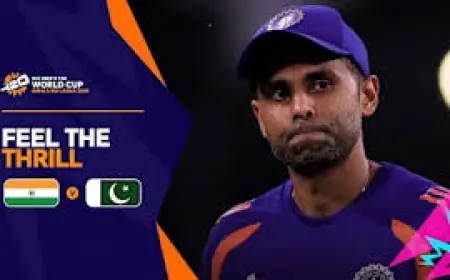



















India v Pakistan: T20 World Cup showdown set for 8:30 AM ET on Feb. 15, 2026

Fans and authorities converged on Colombo for one of sport’s most combustible fixtures as India and Pakistan prepare to meet in the ICC Men’s T20 World Cup on February 15. With kickoff at 8: 30 AM ET, expectations of high drama are matched by a heavy security footprint and a charged atmosphere off the field.
Match day: kickoff, crowd and security
The fixture is scheduled to start at 8: 30 AM ET on February 15, 2026, and organisers have prepared for a largely partisan crowd. Roughly 18, 000 supporters travelling from India and around 12, 000 Pakistanis are expected inside the stadium, with local police deploying a significant presence to manage crowds and safety. The scale of the operation underscores the fixture’s status as more than a cricket match: it is a regional spectacle with logistical and security implications across Sri Lanka’s capital.
Organisers have run a tight operational timetable to move fans into and out of the venue, with separate ingress points, enhanced screening and additional transport services aimed at avoiding the traffic gridlock that can accompany games of this magnitude. The heavy policing is intended to deter flashpoints and keep the focus on the contest, but officials face the familiar challenge of balancing crowd control with a festival atmosphere.
Fans, politics and the weight of history
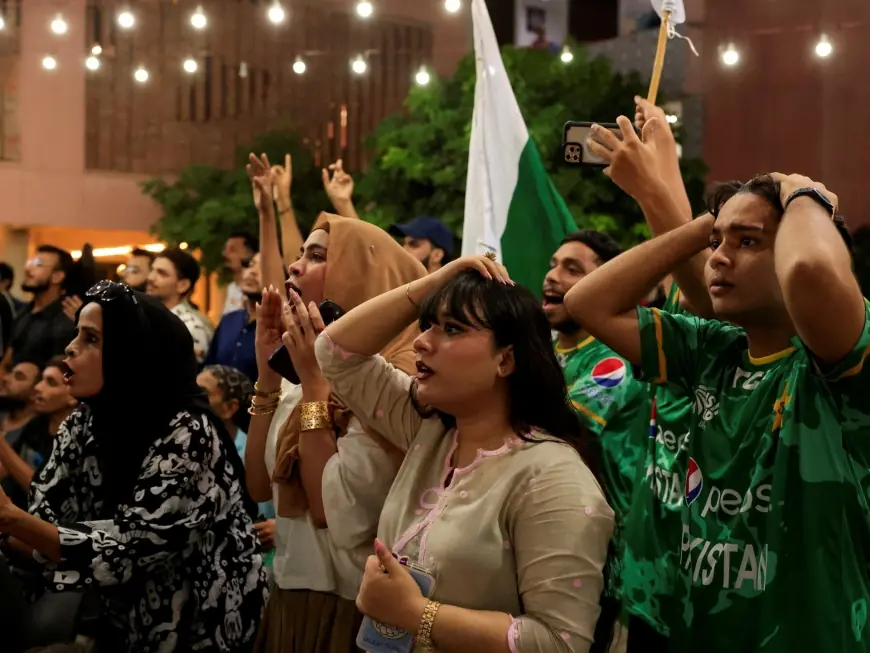
The match carries deep emotional freight on both sides. Pakistan’s supporters arrived bracing for another difficult result: their side has not beaten India in the T20 World Cup since 2021 and has managed only a single victory in eight meetings at the event. That historical run has shaped expectations, with many fans voicing pessimism and a resigned humour on social platforms in the buildup to the game.
Political tensions have repeatedly spilled into this rivalry. An earlier threat to boycott the match was reversed after a week of negotiations with the tournament’s governing body, a turn of events that briefly sharpened nationalistic fervour before public commentary gave way to memes and self-deprecating reels. In Karachi and across Pakistan, the fixture remains appointment viewing: tea stalls and small eateries are expected to fill early, food-delivery couriers will pause deliveries to catch updates, and families will gather for extended match-day meals. One law student watching practice play in Karachi summed up local sentiment with a short assessment of the odds: "70-30 in India’s favour. "
What’s at stake on the pitch
Beyond pride, both teams face tournament implications. A win reshapes group dynamics and momentum; a loss deepens scrutiny and intensifies debate over selection and tactics. For Pakistan, breaking the World Cup winless run against India would be a major psychological lift. For India, sustaining dominance over their neighbours in marquee events adds to a reputation for handling pressure in the big moments.
Players on both sides will be acutely aware that the contest is played on two fronts: the scoreboard and the crowd. Captains must manage game plans while navigating moments when the match threatens to become a proxy for wider national narratives. How bowlers handle powerplay overs, how batters respond to early breakthroughs, and how fielding units hold under noise and expectation will likely decide the outcome.
With kickoff in the U. S. morning and match-day rituals unfolding across South Asia, the contest promises to deliver what it always does: intense competition, a charged atmosphere and conversations that will last long after the last ball is bowled.