



















‘Ferryman’ Igor Tudor tasked with steadying Tottenham in relegation fight

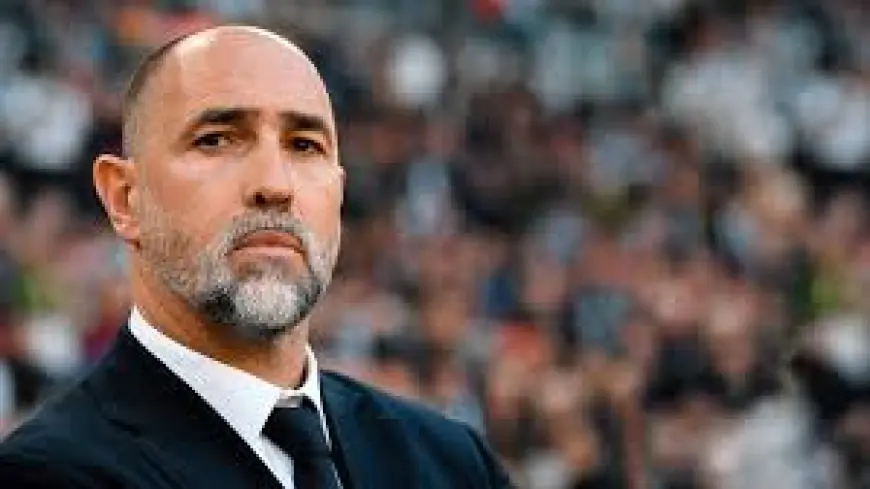
Tottenham confirmed the appointment of Igor Tudor as men’s head coach until the end of the season on Feb. 14, 2026 (12: 00 ET), handing the Croatian a clear, short-term brief: stabilise performances, lift results and secure Premier League safety while remaining competitive in Europe.
Why the club turned to Tudor
Tudor arrives with a reputation forged around one repeated talent: stepping into turbulent campaigns and delivering immediate improvement. The 47-year-old has taken charge mid-season on several occasions and frequently produced the exact outcome clubs wanted — more organisation, greater intensity and results that kept relegation fears at bay.
His CV of interventions reads like a checklist of stopgap successes: a Croatian Cup win with the club where he began his playing career; European qualification during a brief Galatasaray spell; a run of form that rescued Udinese from a damaging losing streak and kept them up; a top-nine finish with Hellas Verona despite losing key players; late-season surges at Lazio and Juventus that secured continental qualification; and a strong Ligue 1 campaign that took Marseille to third place in 2022/23.
That pattern — short, sharp impacts rather than long-term projects — is precisely what Tottenham have signed up for. The brief issued on appointment is straightforward: bring organisation, energy and clarity to a squad that has slipped into a precarious position in the table. With the club sitting five points above the relegation zone in 16th, the timeline is urgent and the mandate narrow.
Risks and questions around the gamble
There are clear reasons why this is viewed as a calculated gamble. Tudor has limited Premier League experience, neither as a coach nor as a player, and his recent spells have rarely extended beyond a year. The pattern of short tenures raises questions about whether his approach is best suited to long-term club-building or to emergency firefighting.
Equally, Tudor’s temperament has provoked strong reactions in some quarters. He brings passion and intensity, but that same intensity has occasionally spilled into public tensions over transfers and club support. His exit from his most recent top-level job followed a difficult run of results and public frustration with squad-building constraints — a reminder that mid-season fixes can founder if underlying club structures and recruitment do not match a coach’s methods.
Tottenham’s decision-makers have framed this as a precise choice: an interim with a track record of immediate uplift rather than a permanent architect. That leaves open the prospect of a different appointment in the summer should Tudor stabilise the situation but not fit the club’s long-term blueprint.
What to expect next
Expect short-term shifts in tone and training intensity as Tudor seeks quick buy-in. His stated focus is on organisation and consistency — two areas that can be addressed rapidly through tactical tweaks and sharper match-day preparation. The immediate tests are severe: a run of Premier League fixtures that includes a first match against a top opponent next Sunday, plus the complexities of Champions League involvement.
If Tudor repeats his familiar pattern — a rapid galvanising of form and results — Tottenham could secure safety and then reassess the managerial picture in the summer with a wider pool of candidates. If the uplift fails to materialise, the club will face another delicate decision in a season that still has major consequences on the field and in the transfer market.
For now, the club’s leadership is placing a clear bet on a coach whose strongest skill is navigation: get the team to calmer waters, then decide what kind of captain is needed for the voyage ahead.