



















From street plays to a darkly comic caper: Lisa McGee on How to Get to Heaven From Belfast

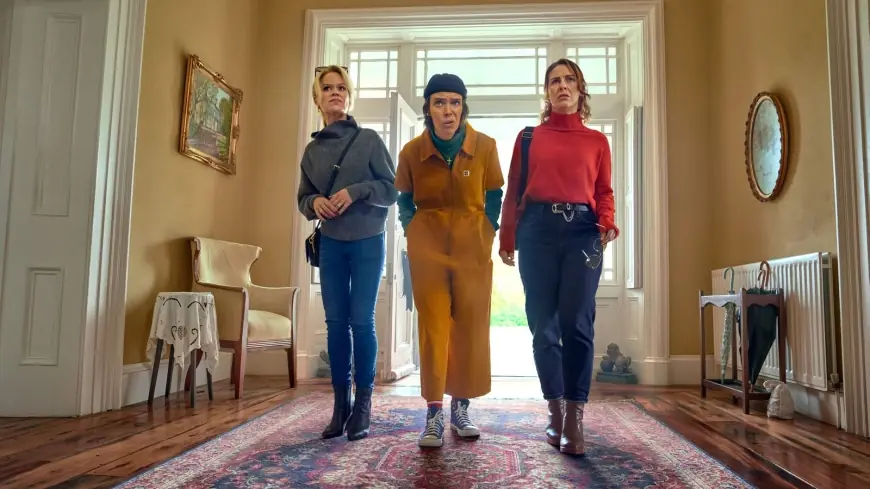
Lisa McGee’s latest series, How to Get to Heaven From Belfast, recasts the writer’s trademark blend of sharp humour and tender nostalgia into a female-led murder mystery. The show follows three former schoolfriends as they confront a decades-old secret after the apparent death of their fourth friend. McGee draws on childhood memories and the complicated texture of life in Northern Ireland to deliver a frenetic, character-driven caper.
Roots in Derry: childhood theatre and the need to tell truthful stories
McGee traces her storytelling instincts back to her youth in Derry, where she would stage plays on the street and coerce neighbours into acting parts. She remembers being the unofficial babysitter for the block — a child director making everyone learn lines while parents enjoyed a brief respite. Those early performances were not all light-hearted: McGee says the stories she invented often contained darker elements, shaped in part by growing up before the Good Friday Agreement.
Those formative experiences inform the new series’ tone. McGee says she wanted to keep the mystery instincts that have long intrigued her — a childhood fascination with classic whodunits — but to spin them through a contemporary, female-centred lens. The result aims for a messy, funny, and sometimes unsettling mix: a caper that refuses to be merely cosy and instead leans into emotional truth and local specificity.
Three women, one secret: a comic thriller with bite
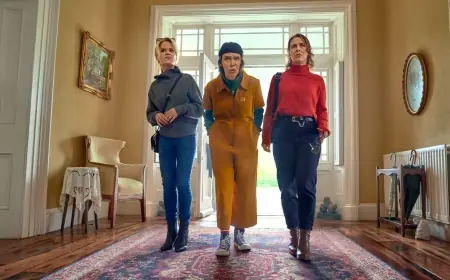
The plot brings Dara, Saoirse and Robyn back together when news arrives about their estranged friend Greta. What begins as a funeral wake soon spirals into suspicion: the body in the coffin seems wrong, old symbols and a shared tattoo surface, and the women’s loyalty to one another pulls them into a tangled investigation. The series balances slapstick and sharp dialogue with genuinely eerie moments, and its energy rarely lets up.
Performances anchor the premise. One leading actress has been singled out for a standout turn that shifts between comedy and raw emotion, while the supporting cast supplies an array of threatening and oddly comic figures — from domineering relatives to menacing local officials. The series weaves in flashes from the past that illuminate the friends’ shared secret, using those interludes to ratchet suspense and reveal how youthful choices ripple into middle age.
Beyond stereotypes: modern Ireland as backdrop, not punchline
McGee has been clear that she did not want to recycle tired depictions of Northern Ireland. While the legacy of conflict remains part of the cultural landscape and seeps into moments of the series, the story deliberately foregrounds other contemporary realities: gender dynamics, friendship under strain, and the small absurdities of daily life in a place that straddles identities and borders.
The show also broadens representation, featuring characters with diverse backgrounds and relationships, and it occasionally uses the Irish language in ways that feel resonant rather than tokenistic. Humour is a vital tool throughout — often used to undercut menace or to expose emotional truths — and McGee’s scripting keeps the pacing brisk even when the narrative takes darker turns.
For viewers drawn to murder mysteries with heart and bite, How to Get to Heaven From Belfast offers a distinctly local but widely relatable story: a reunion that forces three women to answer for their past, and a creative team that insists that comedy and thriller elements can coexist without cheapening either.