

















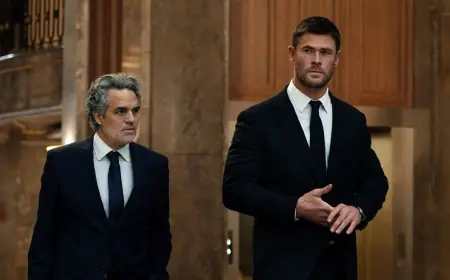

JFK Jr. Drama Rekindles Debate Over Family Legacy as Fashion World Wrestles with Carolyn Bessette’s Ghost

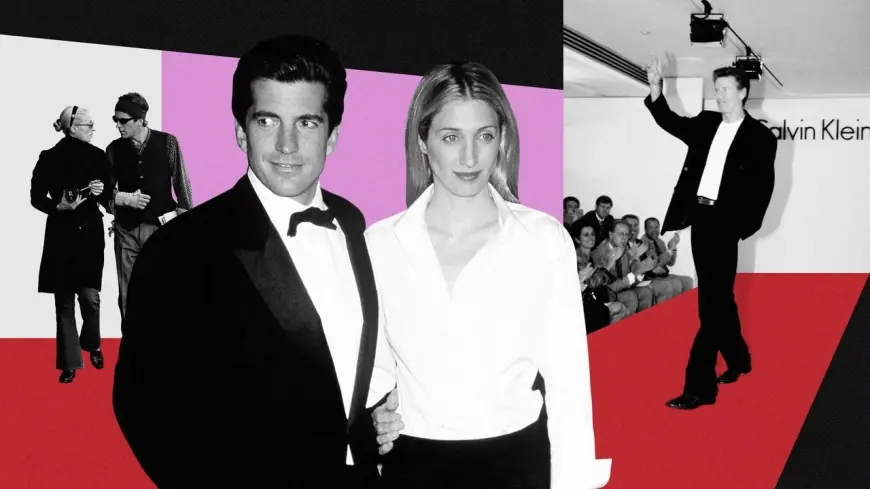
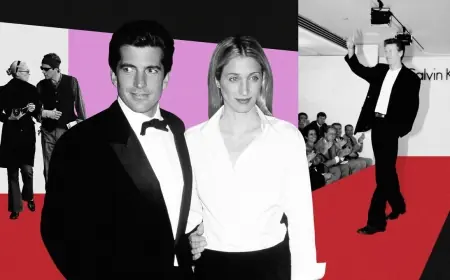
The premiere of Ryan Murphy’s new series chronicling the brief, mythologized marriage of John F. Kennedy Jr. and Carolyn Bessette has reopened old wounds and cultural arguments. The dramatization — faithful in costume to the 1990s Calvin Klein look that Bessette helped make iconic, but contested on ethical grounds — has collided with a major fashion moment that refused to simply mirror the past.
Television’s retelling and the question of who owns the story
The series drops a renewed spotlight on one of America’s most enduring celebrity romances: a young public figure and his sleek, private bride. For many viewers the show succeeds in transporting them to a late-20th-century New York where pencil skirts, square-toe loafers and minimal tailoring defined an aesthetic as much as an attitude. That fidelity to clothes and atmosphere has been complicated by pushback from family members who see the project as exploitation rather than homage.
One family member publicly criticized the production as profiting from a tragedy “in a grotesque way, ” and the showrunner’s response — suggesting it was an odd grievance from someone who might not remember the uncle in question — intensified the dispute. The exchange underscored an unavoidable tension: dramatizations invite public fascination, but they also reopen private grief and test the boundaries of cultural ownership.
Beyond the familial clash, the series prompts larger questions about how the entertainment industry handles real-life figures who died young and whose lives have been mythologized. When a household name becomes material for serialized storytelling, creative teams must balance fidelity to era and mood with sensitivity to surviving relatives. The current controversy demonstrates how easily that balance can tilt into public argument.
Fashion’s response: homage, reinvention and a deliberate detour
Almost simultaneously with the show’s premiere, a major runway presentation that many expected to lean into 1990s minimalism instead charted a different course. The label’s creative director said the collection looked backward further still — toward the late 1970s and early 1980s — and intentionally avoided the archetypal “Calvin” stereotype that many associate with Bessette’s wardrobe. That choice was notable given the timing: when screen wardrobes resurrect a look for mass audiences, fashion houses often feel pressure to react, reclaim or capitalize.
The collection offered experimentations that split the difference between a nostalgic riff and a contemporary statement: sleeve-less suits that emphasized the biceps, backless suiting that revealed slips from behind, and racer-back white tanks trimmed with delicate beading. The runway’s decision not to simply replicate the 1990s archive signaled a desire to reassert creative autonomy rather than court the wave of nostalgia generated by the drama.
At the same moment, new commercial collaborations tied to the show’s aesthetic began appearing, further complicating the cultural landscape. When entertainment and retail converge on the same visual shorthand, the line between homage and commodification narrows — and that narrowing fuels both consumer appetite and ethical debate.
Where this leaves the Kennedy legacy — and public taste
The premiere has amplified a perennial argument: who has the right to tell intimate stories about public families, and how should those storytellers reckon with real grief? For younger viewers the dramatization may crystallize an image of the couple they never knew; for family members it is a reopening of wounds. For the fashion world, the moment is both an opportunity to revisit an influential aesthetic and a prompt to define originality in the face of cultural recycling.
As conversations continue, the intersection of television, memory and style offers a reminder that popular culture seldom treats historical figures neutrally. When a televised portrayal captures hearts, it reshapes collective memory — and when it angers kin, it reminds audiences that behind every icon is a human story that may not belong to the marketplace.