
















How to Get to Heaven from Belfast review – a frenzied, female-led caper worth your time

Lisa McGee has taken the energy that made her earlier work an improbable cultural touchstone and redirected it into a murder-mystery that is equal parts comic chaos and propulsive thriller. how to get to heaven from belfast reunites old school friends at a funeral and quickly turns comfort into suspicion, secret into mayhem — all at a pace that barely lets viewers catch their breath.
Backyard DNA: familiar voice, new stakes
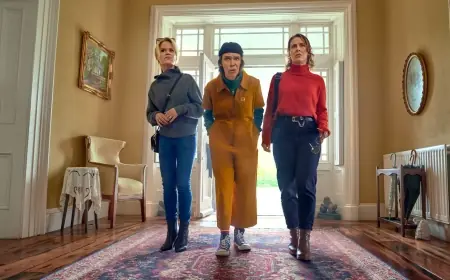
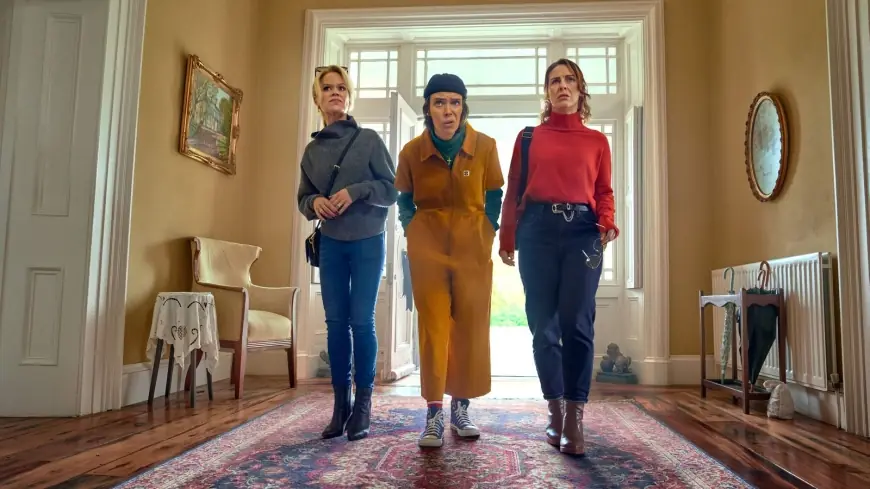
McGee’s signature blend of sharp humour and tender observation is unmistakable. The new series trades adolescent antics for middle‑aged loyalties, but the emotional throughline — that fierce, irrational devotion between friends — remains. Dara (Caoilfhionn Dunne), Saoirse (Roisin Gallagher) and Robyn (Sinéad Keenan) return to one another’s orbit when Greta, the fourth member of their teenage quartet, is said to have died after a fall. The reunion quickly becomes an investigation when small details don’t add up and a decades‑old secret from a burning forest shack starts to look like the fulcrum of something far darker.
Where McGee once mined the absurdities of growing up under political tension, she now mines the ways adulthood compounds trauma: marriages fray, careers compromise ideals, and old promises calcify into secrets. The tone is at once familiar and refreshed — comedy undercut by dread, levity used as a weapon to disarm and then cut deep.
A caper that refuses to slow down
The series moves at a relentless clip. One moment it’s a wake full of performative grief and local gossip; the next it’s a sleuthing operation marshalled by three women who are funny, flawed and fiercely loyal. Saoirse’s career as a TV crime writer gives the plot a neat meta-twist — she’s the kind of amateur detective who knows genre conventions and, crucially, how to exploit them. Robyn brings domestic anxiety and simmering rage; Dara supplies a steadier scepticism, the sort of friend who keeps things anchored while chaos erupts.
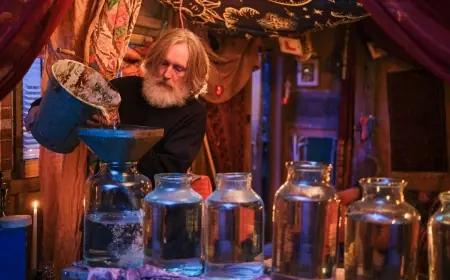
Imaginative set pieces and tight plotting keep suspense taut without ever losing sight of character. There are flashes to a childhood incident — a menacing figure, occult markings, a shack in flames — that the script revisits with escalating menace. McGee’s choice to mix the comic with the uncanny gives the series a distinct rhythm: laugh, wince, wonder. It’s a rhythm that often pays off, though the breakneck momentum occasionally leaves viewers wishing for a pause to let some of the darker beats fully land.
Performances and tonal balance
The ensemble is compelling, built around performances that lean into both the comedy and the danger. Emmett J. Scanlan inhabits the local police chief with a menacing stillness that tips many scenes into real unease; Michelle Fairley plays maternal authority as a near‑mythic force. Among the leads, the three friends trade barbs and histories with believable chemistry, selling the idea that a shared secret can be both a bond and a blade.
McGee’s willingness to stir social observation into the plot — from small‑town dynamics and gendered expectations to the particular textures of life in Northern Ireland — grounds the more sensational elements. The writing reveals new layers as the investigation deepens, marrying the pleasures of a caper to the intimacy of long friendship.
how to get to heaven from belfast is not simply a revival of past glories; it’s a reinvention. McGee has taken familiar tools — sharp comic timing, lived‑in characters, a taste for the absurd — and sharpened them for a darker, stranger game. The result is a show that will delight fans of her earlier work and surprise viewers who expect a straightforward whodunit. If you watch nothing else this year, this one argues persuasively for your time.