


















200,000 Protest Iranian Regime Amid Nearby World Leaders’ Summit

On Saturday, around 200,000 protesters gathered to oppose the Iranian regime during a summit of global leaders. This significant demonstration followed a call for increased international pressure on Iran by exiled Crown Prince Reza Pahlavi. Concurrently, world leaders convened for the Munich Security Conference, while demonstrators expressed their demands for regime change in Iran.
Background of the Protest
The protests marked a “global day of action” against the Iranian government. It resonated with recent deadly nationwide protests in Iran. Participants included a diverse group from various backgrounds, all united in their call for change.
Key Figures and Statements
- Reza Pahlavi: The exiled Crown Prince of Iran, age 65, encouraged citizens to protest against the current regime.
- Donald Trump: The former US President claimed that regime change in Iran would be highly beneficial.
Pahlavi emphasized the urgency of international support for the Iranian people, warning that their situation was perilous. He stated, “We gather at an hour of profound peril to ask: Will the world stand with the people of Iran?” His call was particularly poignant given the heightened tensions and ongoing political strife within Iran.
Symbols of the Protest
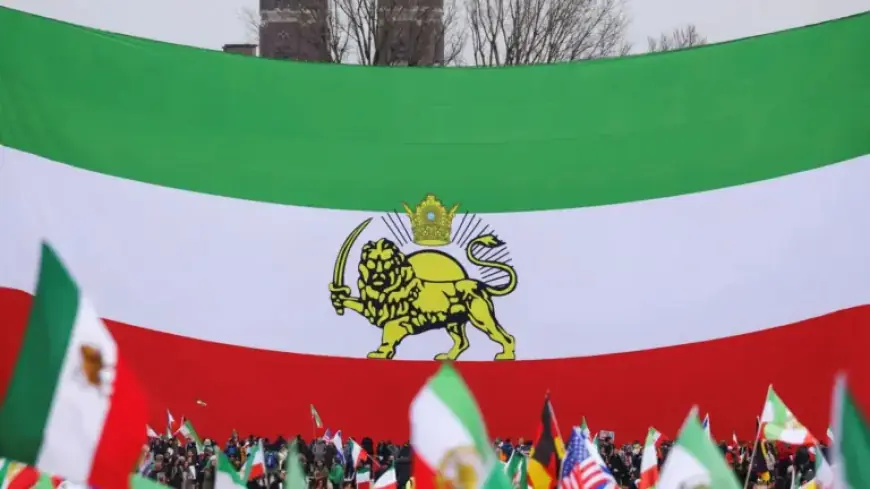
Protesters displayed flags representing Iran before the 1979 Islamic Revolution. Many featured the traditional green, white, and red color combination along with lion and sun symbols. This imagery highlights the nostalgic sentiment among demonstrators yearning for pre-revolution Iran.
Demands for Change
The crowd’s chants of “Change, change, regime change” echoed through the streets. Placards featuring the image of Reza Pahlavi were also seen, some referring to him as a king. Such displays illustrate the desire among protestors for a significant transformation in Iran’s governance.
International Implications
The protests not only reflect domestic discontent but also signal potential shifts in international relations concerning Iran. With military activity increasing in the region, the West’s role in supporting Iranian citizens is under scrutiny. Pahlavi’s warnings suggest that the Iranian government’s survival amidst oppression sends a dangerous message to authoritarian regimes globally.
The collective effort of 200,000 demonstrators showcases a pivotal moment for the Iranian opposition. As the world watches, the future of the Iranian regime hangs in a delicate balance, influenced by both internal dissent and external support.