






















How to Get to Heaven From Belfast: Lisa McGee’s Derry Girls DNA Fuels a Female-Led Murder Caper

Lisa McGee’s latest series, How to Get to Heaven From Belfast, retools the writer’s trademark blend of sharp humour and heart into a zany, female-driven murder mystery. The show reunites old friends after a funeral and quickly morphs into an energetic investigation that is both comic and unsettling.
From street plays to a mature mystery
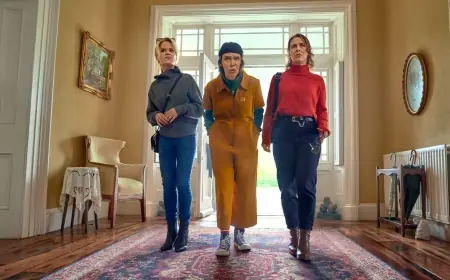
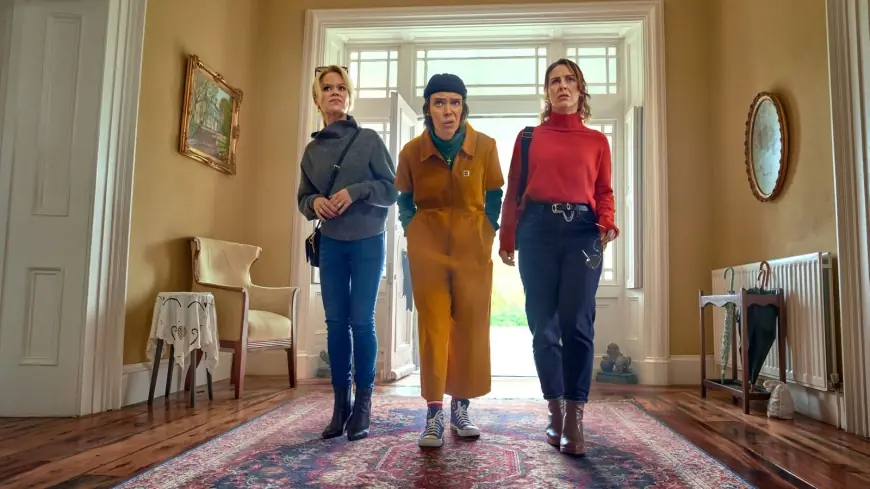
McGee’s storytelling roots stretch back to childhood scenes of directing neighbours in improvised street plays. Those early exercises in coaxing performances from reluctant cast-mates inform a show that embraces messiness, warmth and a knack for scene-stealing character moments. The new series opens with the reunion of three middle-aged women — Robyn, Saoirse and Dara — as they attend the funeral of their estranged friend Greta. A shared secret from a traumatic night decades earlier hangs over them, and what begins as mourning quickly twists into suspicion when one of the attendees notices inconsistencies surrounding the deceased.
McGee has said she grew up obsessed with classic murder mysteries and wanted to make that genre her own. The result is a show that borrows the procedural engine of a whodunnit but subverts expectations with a distinctly female point of view, an embrace of messy friendships and an irreverent sense of humour. The series threads darker undertones stemming from McGee’s upbringing in Northern Ireland into everyday absurdities, creating tonal contrasts that feel lived-in rather than stunt-like.
A female-led caper with standout performances
Central performances drive the series. The trio at the heart of the story carry the emotional weight and the comedic timing, while supporting turns — including the husband of the deceased, who is the local police chief, and a domineering mother — add menace and texture. Critics singled out one performance as sensational, noting how the cast balances frantic energy with quieter, revealing moments. That frenetic pace is a deliberate choice: the plot hurtles forward, frequently leaping between slapstick and suspense without losing momentum.
Beyond laughs and twists, the show also explores contemporary issues—control and gaslighting within domestic life, the toll of time on friendships, and the uneasy persistence of a political past that never quite recedes. These elements ground the caper, giving it stakes beyond the central mystery.
Expectations and early reception
Early critical reaction has been broadly positive, describing the series as witty, fast-moving and emotionally sharp. Reviewers have praised the writing for keeping the action brisk while allowing characters to reveal hidden depths. The show’s refusal to rely on tired stereotypes has been noted: its characters are diverse, complicated and recognisably modern, and the writer leans into local specificity without exoticising or flattening the setting.
For viewers who loved the creator’s previous work, the new series will feel familiarly energetic but marks a tonal shift from pure sitcom into hybrid territory — part comedy, part mystery, part character study. McGee’s stated aim was to make a female-led, messy, funny take on the murder-mystery formula, and early indicators suggest she largely succeeds.
As audiences begin to find the series, expect conversations to focus on its tonal audacity and its performances: a caper that asks viewers to laugh, puzzle and occasionally wince — sometimes all in the same scene.