















Igor Tudor: What will new Tottenham manager bring to club?

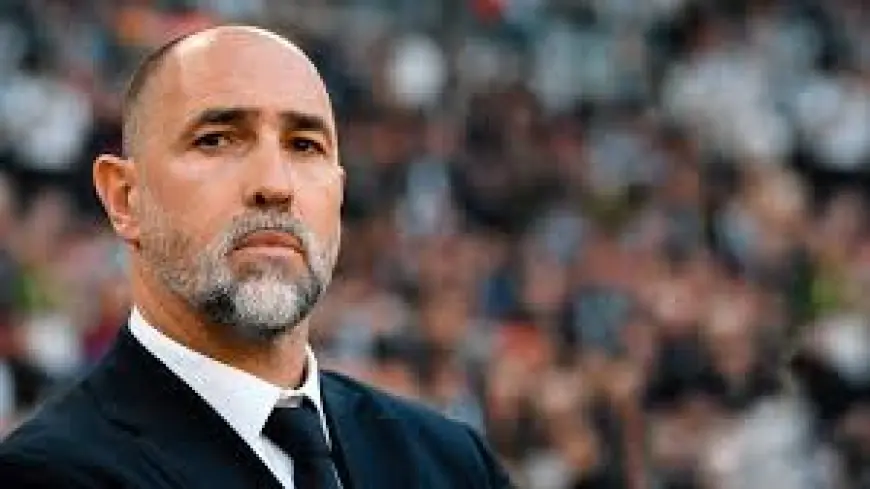
Tottenham confirmed the appointment of Igor Tudor as interim head coach on Saturday, 14 February 2026 (12: 00 ET), with the Croatian taking charge for the remainder of the season subject to a work permit. Tasked with halting a worrying run of form that left the side 16th in the Premier League, Tudor arrives with a reputation for rapid, high-intensity interventions and a clear short-term brief: steady the ship and raise performance levels fast.
Immediate priorities: stabilise results and secure safety
The imminent task is stark and simple — avoid relegation. The previous manager was dismissed after a run of poor results that left the club five points above the bottom three. With fewer than three months of the season remaining and a low tolerance for further slips, Tudor’s mandate is to bring quick improvements in organisation and consistency.
He inherits a squad that still boasts quality but has been underperforming. Club officials have framed the brief as pragmatic: shore up the defence, make the team harder to beat, and extract short-term gains while preserving hope in domestic and continental competitions. The side remains in the Champions League knockout phase after finishing fourth in its group, so Tudor must balance survival instincts in the league with ongoing European commitments.
Tactical profile and what to expect on the pitch
Tudor’s teams are widely described as intense and press-oriented. Players under him typically cover significant ground, with a heavy emphasis on collective pressing and physical conditioning. The Croat, a former centre-back with lengthy experience in Italy, has long favoured disciplined defensive structures combined with quick transitions when possession is won.
Expect a sharper focus on defensive organisation and a higher work-rate across the pitch. That shift could demand players adapt quickly to a different pressing trigger and positional compactness. Early training sessions will likely prioritise fitness, pressing drills and clear defensive responsibilities so the team concedes fewer needless chances.
Those familiar with Tudor’s methods describe him as a strong personality who pushes squads hard. One commentator who observed Tudor’s time in Marseille suggested his arrival can act as an “electroshock” — an abrupt change intended to galvanise players and reset standards. The challenge is implementing enough of his approach in the short window before a pivotal north London derby on 22 February 2026, when he will have less than a week with the squad to prepare.
Upside, risks and the short-term gamble
There is clear upside in appointing a coach known for quick turnarounds. Tudor has a track record of stepping into difficult situations and delivering immediate improvement, having worked across several European leagues. His no-nonsense approach could restore urgency and accountability in a squad that has slipped out of form.
But the appointment is a gamble. Tudor was out of work after leaving Juventus in October 2025, and his high-intensity model demands buy-in from players and swift adaptation. Implementing tactical change mid-season carries the risk of short-term confusion, and a failure to arrest the slide could damage morale further. The club’s leadership has framed the move as a pragmatic short-term solution while leaving the possibility of a wider search for a long-term appointment open for the summer.
For now, the immediate metrics of success are straightforward: stabilise performances, pick up points, and ensure the club remains competitive in both the Premier League and Champions League. How quickly Tudor’s methods take hold will determine whether this appointment is remembered as the spark that saved the season or a bold gamble that fell short.