

























Alexandra Eala’s Doha Exit Underlines Patience as Conversations Turn to Janice Tjen

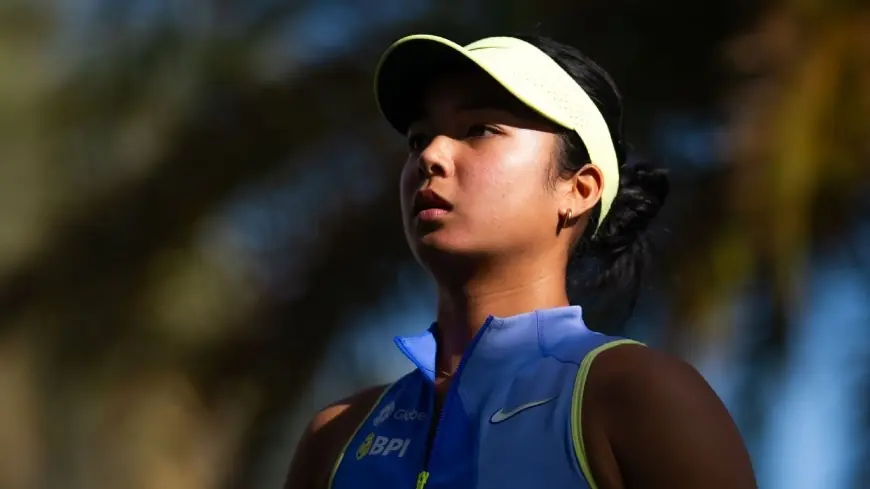
Alexandra Eala’s run to a career-best No. 40 earlier this season marked a milestone for the Filipina, but her first-round defeat in Doha served as a reminder that rising trajectories on the WTA Tour are rarely straight lines. The loss to 18-year-old Tereza Valentova highlighted immediate technical and physical hurdles; it also fed wider chatter about the depth of young talent on the women’s circuit, with names such as Janice Tjen increasingly entering the conversation.
Doha match at a glance
Eala fell in straight sets, 6-7 (6-8), 1-6, against Valentova in her first WTA 1000 match of the season. The opening set was tightly contested, with both players trading stretches of control and neither yielding as they moved toward a tiebreak. Valentova took an early lead in the breaker and reached set points, but Eala showed fight to erase those chances before the Czech closed out the set with two consecutive points. Valentova then carried that momentum into the second set, racing to a 5-0 lead and closing out the match decisively.
The defeat echoed a recent prior meeting between the two, in which Valentova also prevailed in straight sets at a late-season event. For Eala, the Doha result underscores the gulf that can open between up-and-coming players and those who have already established themselves at the very highest level of the tour.
Technical and physical hurdles
One clear takeaway is the importance of serve consistency under pressure. Eala has demonstrated the ability to compete from the baseline and absorb pace against elite opponents, but holding serve consistently—particularly against punishing returners—remains a divider. First-serve precision and variation are already non-negotiable weapons for the game’s top returners, and incremental refinement rather than wholesale change seems the likely path forward.
Physical fatigue also played a role. A busy stretch of events from the start of the season has tested both body and mind, and the jump from WTA 500 and Grand Slam conditioning to the deeper fields of WTA 1000 tournaments can expose accumulated wear. For a young player still learning season pacing, recovery protocols and strategic scheduling are as important as on-court adjustments.
Wider implications for the season and rising names
Eala’s career-high ranking means opponents now prepare with greater intensity when facing her. Being scouted more closely and entering matches where rivals elevate their performance is part of the new reality for players who break into the top 50. Setbacks like Doha can be formative: they expose specific areas for improvement and force a recalibration of priorities, from physical preparation to tactical nuance.
Beyond the immediate consequences for Eala, the match is a reminder of how quickly narratives shift on tour. Conversations about emerging talent are expanding and now often include a broader slate of young players—names like Janice Tjen have begun to surface as observers and fans look for the next wave of contenders. Whether those names translate to consistent WTA results will depend on the same mixture of technical sharpening, load management and mental resilience Eala is currently navigating.
Losses at marquee events can sting, but they also present the raw material for growth. For Eala, the focus will be on converting promising attributes into reliable weapons under pressure. For the wider field, Doha reaffirmed that opportunities are opening for a new cohort of players who are learning to seize them week by week.