






















Goat: Star-Heavy Voice Cast and Roarball Underdog Tale Head to Theaters Feb. 13 (ET)

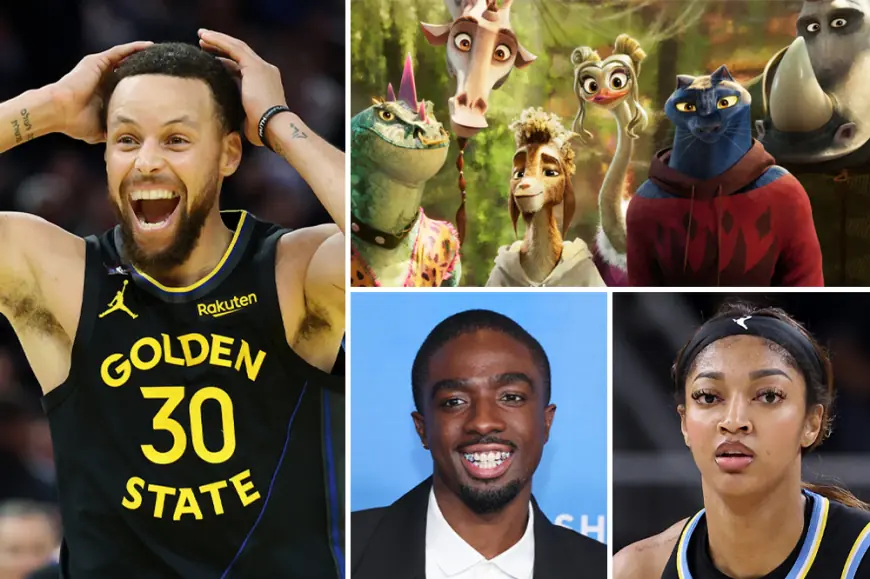
Sony Pictures Animation’s animated sports comedy Goat arrives in theaters on Feb. 13 (ET), bringing a celebrity-stacked voice cast to a family-friendly underdog story set in an all-animal world. The film turns the familiar rise-of-the-underdog template into a full-contact, co-ed version of basketball called roarball, anchored by Caleb McLaughlin as a small goat with outsized ambitions.
Cast and characters: an eclectic roster of actors and athletes
Goat leans heavily on recognizable names from both entertainment and the basketball world to populate its roarball league. Caleb McLaughlin leads as Will Harris, a teenage Boer goat determined to prove that size doesn’t define ability. Gabrielle Union voices Jett Fillmore, a veteran black panther and the Thorns’ star player who becomes both mentor and foil to Will. David Harbour plays Archie Everhardt, an imposing rhinoceros enforcer with a surprising emotional center.
The film’s roster extends into the sports realm: NBA champion Stephen Curry voices a giraffe player and also holds a production credit on the project, while his wife, Ayesha Curry, joins the ensemble. Dwyane Wade contributes a voice role, and several WNBA stars add authenticity to the roarball universe, including Angel Reese and A’ja Wilson. Other supporting voices include Aaron Pierre as a top rival, Nicola Coughlan, Nick Kroll and Patton Oswalt in character-driven turns, and Jenifer Lewis as a team owner figure.
That mix—professional actors, comedians and high-profile athletes—aims to give the film both comedic texture and a sense of sport-first credibility on the court. Voice performances are positioned to balance warmth, humor and the emotional stakes that come with a young player fighting for respect.
Premise, tone and how Goat fits in the animated landscape
At its core, Goat is a familiar story: an underestimated protagonist from a marginalized group—the “smalls”—gets a shot on a big-stage team and must navigate locker-room politics, personal doubt and the pressures of fame. The conceit of roarball lets the filmmakers play with size and species in ways that are visually inventive and thematically resonant: the rules of the sport amplify the gap between physical expectation and heart.
Early responses to the film highlight its lively animation, tidy pacing and the chemistry between McLaughlin and Union. While the story follows a predictable family-friendly arc, reviewers point to wit, character moments and reliable comedic support from the ensemble as elements that keep the film engaging for younger viewers and adults tagging along.
Goat’s timing places it in a crowded moment for animal-led animation and basketball-centric family films, but it stakes a claim by leaning into athlete involvement and a roster of voices that spans generational tastes. The result is meant to be both crowd-pleasing and emotionally grounded, with physical comedy and heartfelt beats working in tandem.
Release outlook and audience appeal
Opening on Feb. 13 (ET), Goat targets families, sports fans and younger audiences drawn to underdog tales. The presence of high-profile athletes in the cast—and a notable athlete-producer—could broaden interest beyond typical animation crowds, giving the movie extra visibility among basketball followers.
Whether Goat breaks new ground narratively is less certain; its strength lies in execution: crisp animation, committed voice work and a well-timed, feel-good message about ambition and team dynamics. For theatergoers looking for an energetic, family-oriented outing this winter, Goat offers a polished, starry-rostered take on the classic ‘small player proves big heart’ formula.