









New 'Wuthering Heights' Film Divides Audiences by Cutting the Novel’s Second Act

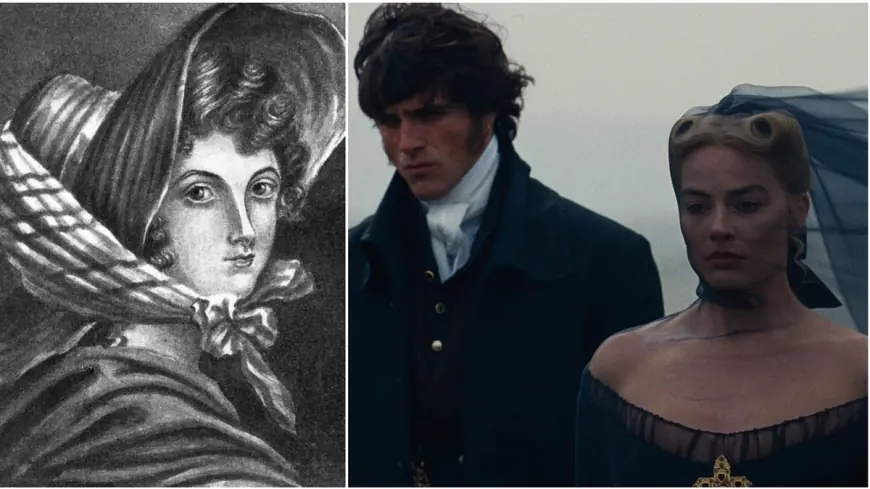
Emerald Fennell’s bold new adaptation of Wuthering Heights opened this weekend and quickly sparked debate, with some praising its sensual visual style and others arguing it sacrifices the novel’s odd, generational scope. The film zeroes in on Catherine and Heathcliff’s volatile relationship, abandoning much of the book’s later chapters that follow the next generation—an editorial choice that reshapes the story’s emotional architecture.
What the film keeps — and what it leaves behind
Fennell trims Emily Brontë’s sprawling, layered narrative to focus almost exclusively on the central lovers. In the original novel, the story stretches across decades and features the children of the principal pair, whose lives carry forward the consequences of Catherine and Heathcliff’s obsessive bond. The new film cuts that thread: the infant who figures in the book’s aftermath is never shown on screen, and the story closes with Catherine’s death rather than branching into the novel’s second act.
The director has framed the project as an intense portrait of a single destructive romance rather than a family saga. That narrowing simplifies the plot and concentrates the film’s energy on the chemistry between the leads and on moments of passion and cruelty. It also means many plotlines and characters from the source material are excised, leaving viewers with a two-hour chamber piece instead of the decades-spanning epic readers may expect.
Reaction: stylistic daring or narrative loss?
Responses have been split. Supporters applaud the film’s stylized palette and its willingness to foreground the erotic and violent impulses at the heart of the lovers’ bond. By compressing time and excising the novel’s later generations, the adaptation aims for a raw, immediate intensity that places the couple at the center of every frame.
Critics of the approach argue the very choices that intensify the romantic triangle undermine what made the novel unsettling and singular. One prominent line of criticism is that the adaptation isn’t strange enough—by trimming the book’s structural complexity and its generational echo, the film loses both the novel’s capacity to horrify and its strange redemptive arc where a later pairing undoes some of the damage. For many readers, the interplay between obsession and eventual healing across generations is the strange heart of the book; removing that element reshapes the meaning of the lovers’ tragedy.
What this means for future adaptations
Because the film omits the later material, it effectively forecloses the most obvious route to a sequel: picking up with the surviving children and the fallout of Heathcliff and Catherine’s choices. The director has characterized this adaptation as a one-off, focusing on the immediacy of the pair’s relationship rather than leaving the door open for a multiyear saga. That stance has practical appeal—adapting the full novel’s dense, nested storytelling within a single film is a tall order—but it also signals a continued division in how filmmakers approach Brontë’s work.
Wuthering Heights has long survived countless reworkings, from faithful, slow-burn translations to radical reimaginings that transplant its themes into entirely different settings. This latest film joins that roster as a distinct interpretation: glossy, intimate, and selective. Whether viewers will accept its narrower, more sensual reading of the material depends largely on what they came for—pure romance and aesthetic bravura, or the novel’s full, strange sweep that ties passion to generational consequence.
Either way, the movie has renewed a perennial conversation about fidelity and adaptation: when a story as quixotic as Wuthering Heights is distilled, what essential qualities should survive the edit? For some, the answer is the lovers’ combustible chemistry; for others, it is the novel’s ability to be both monstrous and redemptive across time.