

























SpaceX marks 600th Falcon 9 as Starlink flight delayed; liftoff window reset for rocket launch today

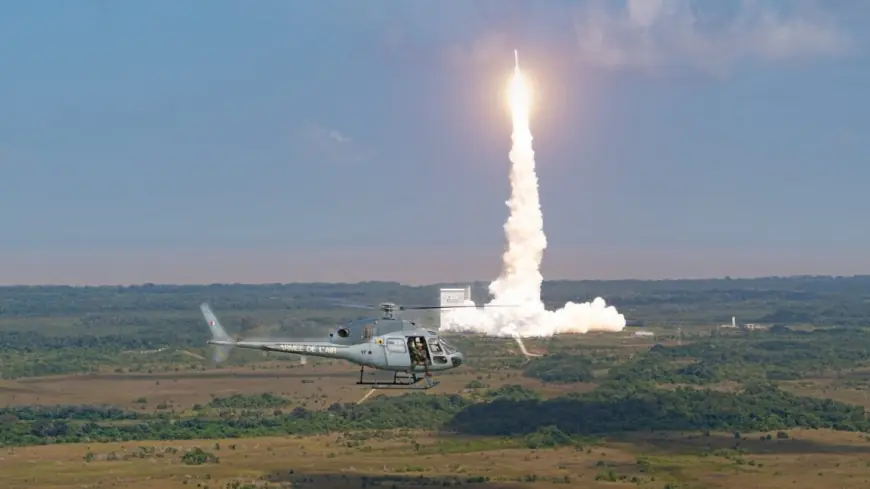
SpaceX aimed to continue its rapid launch cadence with a high-profile rocket launch today: the company's 600th Falcon 9 mission, carrying 24 Starlink V2 Mini satellites from Vandenberg Space Force Base. An 8: 00 p. m. ET update pushed back the planned T‑0, leaving teams to recalibrate as the booster prepared for another landing attempt off the California coast.
Milestone mission and postponed T‑0
The Starlink 17-13 mission was scheduled to roll up the pad at Vandenberg for an 8: 59: 59 p. m. ET liftoff, sending two dozen V2 Mini satellites into low Earth orbit on a southerly trajectory. A late update at 8: 00 p. m. ET delayed the countdown, shifting the precise liftoff time and prompting mission controllers to adjust the launch cadence. The delay did not change the number of satellites on board or the mission profile, but it did compress the window for teams on the ground and at sea supporting recovery operations.
SpaceX planned to fly the booster bearing tail number B1081 on this flight. That first stage was due for its 22nd mission after a long roster of prior flights, including several high-profile science and crew-related missions. If all goes as planned, B1081 will attempt a touchdown on the droneship Of Course I Still Love You stationed in the Pacific Ocean, aiming to notch another recovery for the company’s reusable fleet.
Recovery goals and fleet milestones
The chosen droneship has been a workhorse for booster recoveries; a successful touchdown by B1081 would represent the vessel’s 178th landing and push the total number of booster recoveries for the program past the 570 mark. The landing attempt is expected roughly eight minutes after liftoff once the first stage completes its boost-back and reentry burns and aligns with the static position of the ship downrange.
Reusability remains central to the company’s strategy to drive down launch costs and maintain a busy schedule. B1081’s flight history underscores that approach: repeated missions that combine crewed, scientific and commercial payload launches with frequent refurbishment and rapid turnaround. That pattern has made the booster fleet a familiar sight across multiple ocean recovery zones and landing platforms.
Orbital traffic and schedule ripple effects
The Starlink flight took place on a weekend already crowded with orbital activity. Earlier in the day a Crew Dragon spacecraft named Freedom rendezvoused with the International Space Station, arriving at 3: 15 p. m. ET with a crewed compliment that launched just over a day earlier from Cape Canaveral. Another Crew Dragon, named Resilience, had its own launch scrub and was retargeted for a 7: 27 p. m. ET departure on Sunday to allow for improved downrange and onshore weather conditions.
That tempo highlights how a single slip can ripple across the schedule when multiple missions, recovery ships and range assets are in play. Teams on the ground weigh weather at sea, upper-level winds, and tracking windows when deciding whether to hold or press ahead. For the Starlink mission, planners balanced the desire to meet the milestone 600th Falcon 9 flight with the operational reality of recovery and safety constraints.
When the launch proceeds, the 24 satellites will join the growing mesh of internet-beaming spacecraft designed to provide broader low-latency connectivity. Whether the booster achieves its recovery target will be known within minutes after liftoff; if recovery is successful, it will add another chapter to the reusable-launch playbook that has reshaped the commercial space landscape.
Filmogaz will continue monitoring the situation as the countdown replenishes and teams finalize the new T‑0 for this high-profile rocket launch today.