























Berlinale Highlights Political Themes Amid Rising Social Media Backlash

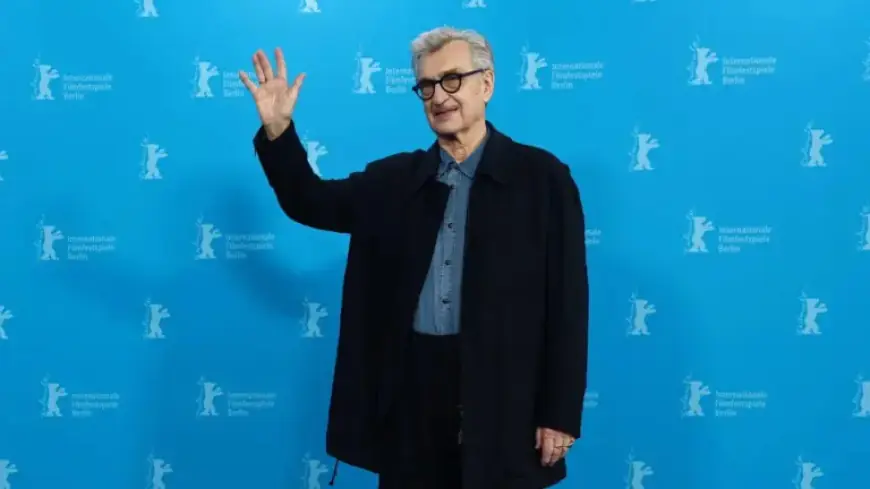
The Berlinale, officially known as the Berlin International Film Festival, has long been recognized for its strong political stance. Established in 1950 to counteract the cultural restrictions of the Iron Curtain, the festival serves as a platform for artistic expression and freedom. Over the years, it has addressed significant global issues, including support for Iranian protesters during the Woman, Life, Freedom movement and condemnation of Russia’s invasion of Ukraine.
Berlinale Faces Growing Political Backlash
This year, the festival is witnessing a rise in social media backlash against its political discussions. During several press conferences, filmmakers have faced more questions about global crises—such as the Gaza conflict, German state funding, and the U.S. political landscape—than about their own films. Critics fear that this shift may overshadow the festival’s original mission.
Controversial Remarks at Press Conferences
The tension escalated during the opening press conference when Wim Wenders, the jury president, was questioned about the implications of German support for Israel on the festival’s artistic freedom. Wenders responded, reminding attendees that the festival should steer clear of politics. His comments sparked immediate criticism, prompting renowned author Arundhati Roy to withdraw from the event. She deemed the remarks “unconscionable” and criticized the dismissal of art’s inherent political nature.
Responses from Filmmakers
Other notable figures, like actress Michelle Yeoh and actor Neil Patrick Harris, also encountered questions about their political viewpoints. While Yeoh expressed her discomfort discussing U.S. politics, Harris attempted to redirect the conversation back to the cinema rather than social issues. In contrast, Finnish director Hanna Bergholm made a statement of support for Palestine through her choice of accessories.
Ongoing Political Engagement
The Berlinale, however, continues to feature films with strong political undertones. The festival kicked off with Afghan director Shahrbanoo Sadat’s film, *No Good Men*, which narrates a female camerawoman’s struggles in Kabul. Additionally, Iranian narratives are evident in works such as *Roya* by Mahnaz Mohammadi and *Memories of a Window* by Mehraneh Salimian, exploring the plight of Iranian citizens amid political turmoil.
Festival’s Commitment to Free Speech
Berlinale director Tricia Tuttle emphasized the festival’s commitment to free speech, highlighting the challenges filmmakers face when asked to comment on complex current events. She acknowledged the role of social media in amplifying political tensions, urging a deeper understanding of the artists’ messages rather than misleading sound bites.
Implications for Future Festivals
The festival remains a significant venue for political cinema, but the rising adversarial environment may impact filmmakers’ willingness to engage openly. As these discussions evolve, it will be essential for the Berlinale to maintain its core values while navigating the complexities of contemporary political discourse.
With 278 films showcased this year, the Berlinale emphasizes the importance of diverse voices and human dignity. Filmmakers continue to assert their perspectives, underscoring the festival’s enduring role in challenging societal issues through cinema.
- Founded: 1950
- Location: Berlin, Germany
- Notable Films: *No Good Men*, *Roya*, *Memories of a Window*
- Key Themes: Freedom of Expression, Political Cinema, Social Issues