
























Moderate Earthquake Shakes Salt Lake City; Officials Conduct Inspections as Aftershocks Continue

Salt Lake City experienced a moderate earthquake that shook buildings and sent residents outdoors. Authorities mobilized inspection teams for bridges, utilities and critical facilities while seismologists warn of expected aftershocks.
Initial quake: where and when
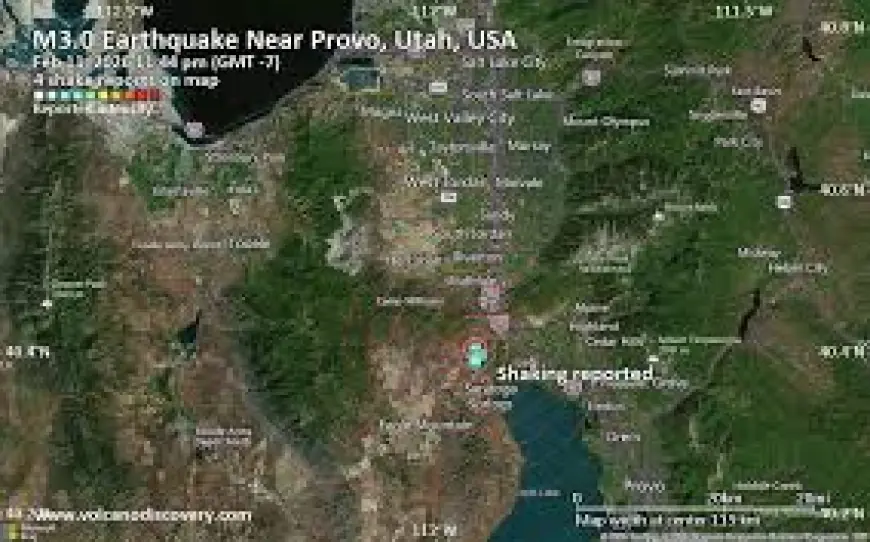
The main shock occurred at 3: 12 p. m. ET and was centered a few miles east of downtown Salt Lake City, beneath the foothills of the Wasatch Range. Instruments recorded the tremor at a magnitude in the mid-4 range with a shallow depth that increased the intensity of shaking felt across the valley.
What residents felt and immediate impacts
Residents described brief but strong shaking, rattling windows and setting off alarms in some buildings. Social media and emergency lines were busy with calls about fallen objects, cracked plaster and leaning chimneys. Emergency responders reported scattered, mostly minor structural damage: merchandise displaced in retail outlets, cracked concrete on sidewalks, and isolated ceiling and drywall failures in older homes.
Public safety response and infrastructure checks
City and county emergency management teams activated rapid assessment protocols for transportation links, water and power systems, hospitals and schools. Crews inspected key bridges and overpasses for signs of stress and potential safety risks. Utility operators performed visual and remote checks of pipelines and electrical substations; brief outages were logged in a few neighborhoods but were restored within hours.
Aftershocks and what scientists expect
Seismologists cautioned that aftershocks are common following a quake of this size. Most aftershocks are smaller, but occasional larger ones are possible in the hours and days after the main event. Residents were advised to be prepared for additional shaking and to follow local guidance on safety and inspections.
Guidance for residents and businesses
Officials urged people to check themselves and others for injuries, move away from damaged structures, and report downed power lines, gas leaks or unstable buildings. Property owners were reminded to shut off gas only if they smell gas or hear a hissing sound and to avoid open flames until utilities confirm it is safe. Employers and building managers were asked to conduct quick safety checks before reoccupying offices and to document any damage for potential insurance claims.
Longer-term concerns and preparedness steps
While immediate damage appears limited, the event highlights the region's earthquake risk. Experts encourage households to secure heavy furniture, prepare emergency kits with water and supplies for at least 72 hours, and review family emergency plans. Infrastructure assessments will continue, and they will provide updates as inspections conclude and any necessary repairs are scheduled.
No fatalities were reported in the hours after the event. Authorities emphasized that public safety remains the priority and asked residents to stay informed through official city and county channels for the latest advisories and closure notices.