






















‘Neighbors’ Docuseries Turns Backyard Spats Into a National Mirror

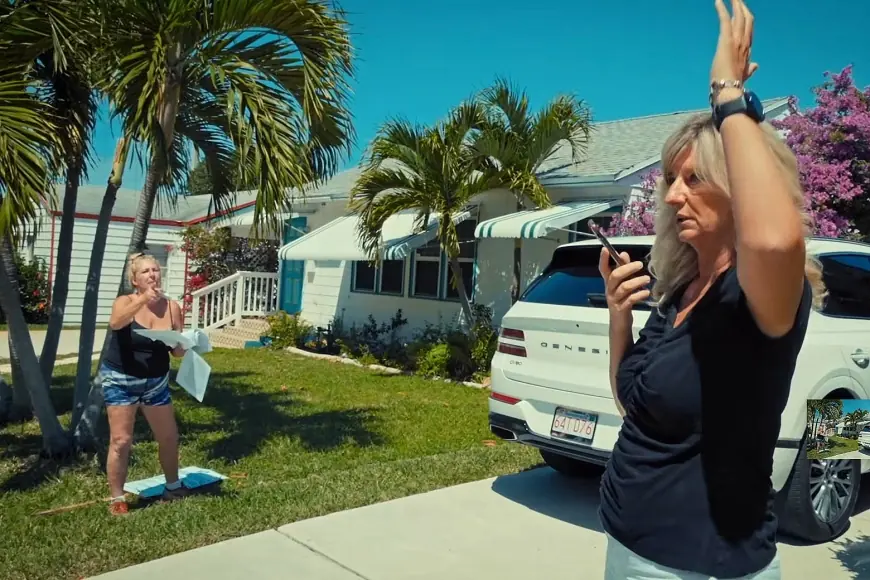
What begins as bite-sized viral outrage becomes a sustained portrait of private property, public fury and the ways Americans police one another’s space. The six-part docuseries, directed by Harrison Fishman and Dylan Redford, compiles neighbor disputes—from rural roads and gated fences to apartment-floor tensions—into a running commentary on contemporary civic fracture. The result is at once funny, unsettling and impossible to ignore.
From viral clips to fuller stories
The project sprang from the directors’ fascination with short online videos: the minute-long exchanges that explode into national conversations before most viewers know the broader context. Fishman and Redford set out to reconstruct what came before and after those clips, assembling interviews, local footage and wider timelines to turn punchy moments into multi-dimensional narratives. That approach frequently undercuts the easy consolations of viral judgment; often, there is more mess and history behind a single clip than outrage allows.
Pandemic-era accelerant
Lockdowns, furloughs and relentless screen time did more than give viewers something to watch. For many of the show’s subjects, those conditions amplified distrust and pushed everyday misdemeanors into existential quarrels. The series treats the pandemic as an accelerant rather than the sole cause: disagreements that might once have fizzled became durable feuds, and online mobs could fan embers into full-blown community schisms. In episode threads, small slights—sporadic trespass, a debated public right-of-way, a fence line—grow into claims about identity, liberty and belonging.
Not a simple city-versus-country story
One of the series’ strengths is its refusal to reduce conflict to predictable binaries. Urban apartment building disputes sit alongside ranchland standoffs in sparsely populated counties. The antagonists are not easily mapped onto conventional political labels. In a Montana town, arguments over a gated dirt road and grazing access reveal how property lines intersect with survivalist impulses. In Florida beachfront spats, the crowd dynamics of tourism and spectatorship change what might have been a private spat into a public spectacle. Across locales, the same core question resurfaces: what responsibilities come with shared space?
Fences, surveillance and the presence of guns
Recurring motifs tie the episodes together. Fences, literal and figurative, frame many disputes—sometimes creating clear boundaries, and sometimes manufacturing new grievances. High-tech surveillance and the ubiquity of phones turn neighbors into perennial witnesses, and online audiences amplify and sometimes distort local realities. Weapons and threats of violence hover in the background of several stories, ratcheting up stakes and illuminating how easily property disputes can escalate when weaponry and suspicion mix.
Why the series holds a mirror
What makes the show compelling is not only the eccentric cast of characters—psychic healers, self-described homesteaders and a range of colorful neighbors—but the larger civic portrait that emerges. How people treat their land, lawns and hallways tells a story about what they value and what they fear losing. The directors balance empathy and incredulity: there are moments of genuine humor and absurdity, but the series doesn’t let viewers shrug off the human consequences of these feuds. By stretching a viral moment into a fuller narrative, the show asks a sharper question of viewers: if fences can make trouble as often as they stave it off, what does that say about communal life moving forward?
For anyone tracking how ordinary grievances turned public drama in the pandemic era, the series is both a case study and a cautionary tale: neighborliness can erode fast, and once it does, the spillover is rarely contained to a single yard.