
























Five Years After Texas Blackouts: What Has Changed?

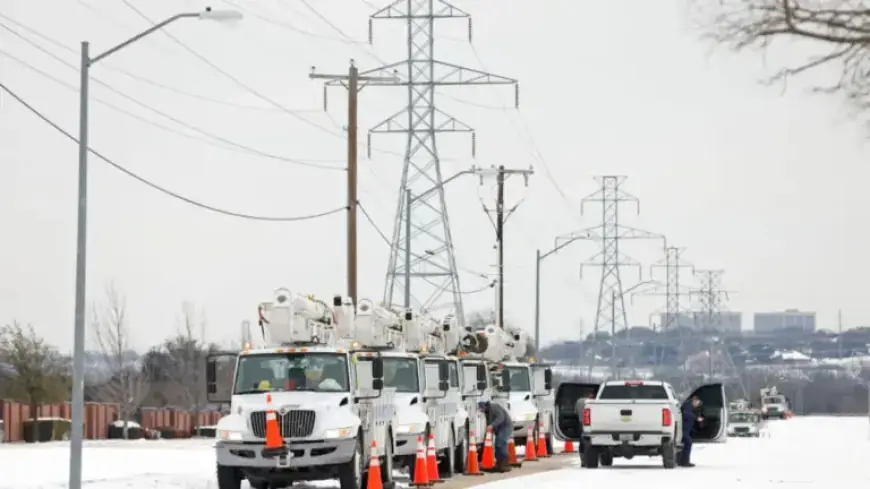
In February 2021, Texas experienced a devastating winter storm, known as Winter Storm Uri, which left millions without power and resulted in at least 246 fatalities. The weather disaster also caused immense financial damage, estimated to be in the hundreds of billions of dollars. Five years later, Texans remain vigilant in preparing for cold weather, driven by the lasting impact of the storm.
Changes in Texas’s Energy Infrastructure
Texas operates an isolated power grid, primarily managed by the Electric Reliability Council of Texas (ERCOT). During the 2021 storm, the grid could not meet the surging demand for electricity, resulting in rolling blackouts to prevent total grid failure. Many power plants were unable to function due to inadequate winterization.
New Standards and Safety Measures
- Texas has implemented new weatherization standards for power plants and gas facilities.
- More energy storage systems, such as batteries, have been added to ensure stability during peak demand.
- New legislation has designated more critical facilities, like hospitals, to receive priority power during outages.
Matt Boms, the executive director of the Texas Advanced Energy Business Alliance, indicated that despite the challenges of older infrastructure, Texas has made considerable strides in grid reliability. Improvements include power plant inspections and backup fuel supplies for generators.
Recent Events and Outcomes
A recent cold snap in late January 2023 tested the grid’s resilience but did not lead to widespread outages. Boms noted that the grid’s improvement over the past five years helped maintain stability. “It wasn’t just one silver bullet; it was layers of reliability,” he pointed out.
Accountability and Communication
The Public Utility Commission of Texas has enforced significant penalties for violations of the new weatherization standards, which can reach up to $1 million per day. This increased accountability aims to ensure compliance across the board.
Enhanced communication between the energy industry and state agencies has also improved response times during emergencies. Todd Staples, President of the Texas Oil and Gas Association, noted the importance of designating critical load facilities to minimize the impact of future weather events.
Looking Forward: Ongoing Challenges
Despite these advancements, Texas faces challenges in meeting growing energy demands. Aging infrastructure and the need for further winterization remain pressing concerns. Experts like Beth Garza emphasize that continuous assessments are crucial for identifying vulnerabilities.
As new technologies like cryptocurrency mining and AI data centers emerge across the state, the pressure on the electricity market intensifies. University of Houston Energy Fellow Ed Hirs stated that economic incentives need to align with the requirements for adequate energy production.
Public Sentiment
The memory of the February 2021 freeze looms large for many Texans. Individuals like Sade Hogue continue to stockpile essential supplies before forecasted cold weather. “The fear never fully goes away,” she explained. As the state moves forward, residents remain cautious, aware that preparation is their best defense against future extreme weather events.