





















johnny weir olympics: From Olympic Competitor to Colorful Milano Cortina Commentator

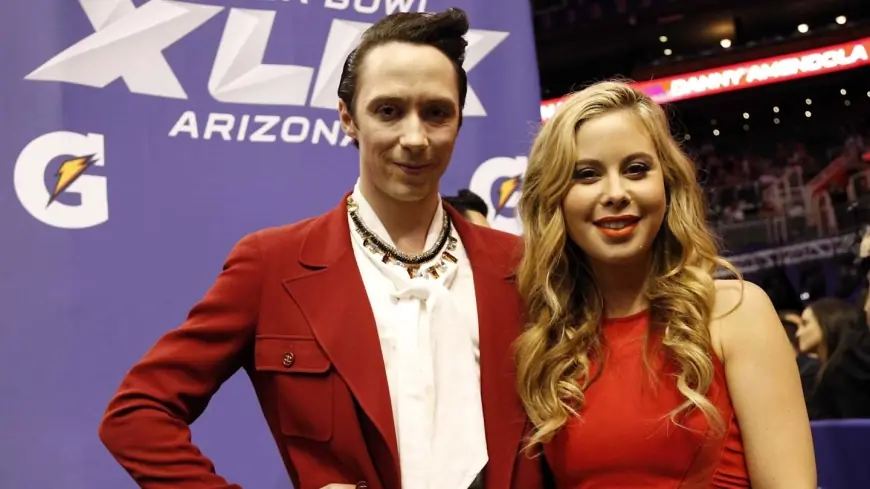
Johnny Weir’s presence at the Milano Cortina Games is equal parts expert analysis and unapologetic flair. The former competitor — a two-time Olympian who never reached the podium on the world’s biggest stage — has reemerged as a captivating voice in the broadcast booth, notable this week for both his insight on the men's free skate and a headline-making wardrobe choice that paired him with fellow commentator Tara Lipinski.
A competitive résumé that still resonates
Weir’s competitive career began with early promise: a World Junior title in 2001 set the stage for a string of national successes. He claimed three straight U. S. championships from 2004–2006 and later added a World Championship bronze in 2008. Olympic appearances came in 2006 and 2010, where he finished fifth and sixth respectively — solid results but short of the medals he earned in other major events. He retired from competition in 2013, leaving behind a record that mixed technical accomplishment with a distinct personal brand.
Milano Cortina: fashion as part of the show
The men’s free skate final in Milan served up athletic drama and an off-ice spectacle. On the broadcast sidelines, Lipinski opted for a full-length white dress while Weir embraced a striking elf-green ensemble. The pair doubled down on showmanship with a mash-up video showing their pre- and post-fit looks and a playful moment where Lipinski popped out of Weir’s jacket. The segment — timed to the buildup around skater Ilia Malinin’s bid for individual gold — underscored how presentation has become a part of modern Olympic storytelling.
From skates to the booth: a seasoned analyst
In the commentary role, Weir pairs technical knowledge with personality. His history as a top-level skater gives him a perspective on jumps, program construction and competition psychology; his live reads blend detail about elements with broader takes on what each performance means for medal contention. That context felt particularly relevant for the men’s free skate, where younger stars and established contenders battled under intense pressure on Friday night (evening ET).
Style as signature — and a link to his competitive past
Weir’s wardrobe choices are more than costume: they’re continuity from his competitive days, when creative outfits were an extension of his programs. Fans who remember his feathered swan costume and other memorable looks from past Olympics saw a through line at Milano Cortina — a performer who uses fashion to punctuate moments and underline skating’s theatrical roots. That willingness to take risks keeps attention on both the sport and the broadcast in a crowded Olympic schedule.
Legacy and what comes next
Johnny Weir’s Olympic legacy is unconventional. He arrived at the Games as a contender with standout national titles, finished respectably without medaling, and later transformed into a prominent media figure who helps translate the sport for a wide audience. At Milano Cortina he’s doing both simultaneously: offering technical breakdowns for viewers while delivering moments that trend beyond the ice. Whether judged by jumps landed or headlines generated, Weir remains a defining presence around the olympics scene.