























The truth about Tucker Carlson — and it isn’t pretty

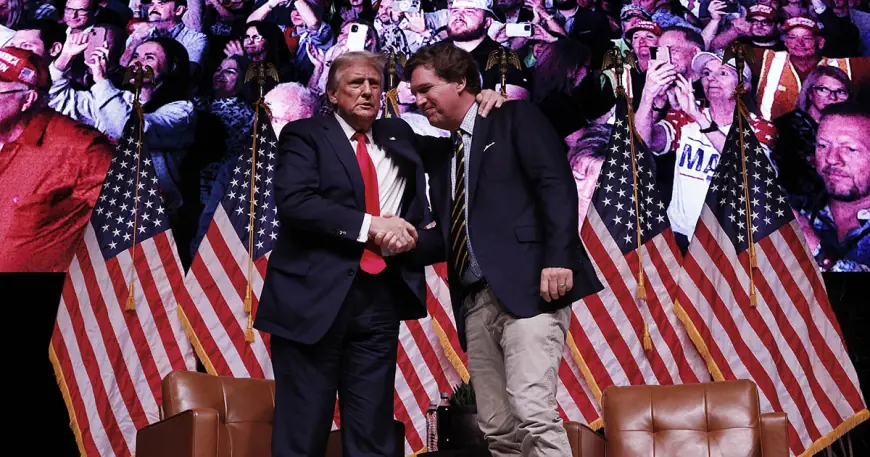
As a new biography lands, the debate over Tucker Carlson’s place in American conservatism has shifted from admiration to exasperation. The book offers a portrait of a figure whose instincts for provocation and business savvy have repeatedly outweighed any coherent ideology.
A portrait of calculated opportunism
Jason Zengerle’s new book presents Tucker Carlson as less an ideologue than a professional provocateur. Early episodes of attention-seeking behavior are framed not as the emergence of a principled worldview but as deliberate acts designed to rile opponents and attract notice. That pattern, the book argues, has persisted through a career built on being unpredictable and controversial.
Talent and contradiction
The narrative does not deny that Carlson has genuine skills. He is portrayed as a capable writer and an interviewer who can press subjects effectively, qualities that helped him build a large following. Yet those same talents coexist with episodes that undercut any claim to ideological consistency: courting extreme guests, promoting debunked election narratives, and offering interviews that blur lines between journalism and spectacle.
Crossing dangerous lines
One of the starkest threads in the book is Carlson’s flirtation with extremist and antisemitic commentary. He has given platforms to figures and ideas that mainstream politics has often rejected, and at times his rhetoric has edged into territory that alarms former allies. Those choices have raised questions about the responsibility of a high-profile media personality whose reach extends into political organizing and grassroots sentiment.
Performance over principle?
The central claim is blunt: much of what Carlson does is performance. From provocative classroom stunts in his youth to dramatic shifts in allegiance as political winds changed, the portrait is of someone who uses controversy as a growth strategy. The book even includes episodes that read like theater—a claimed encounter with a demonic presence in his home is presented alongside evidence of careful image-management and audience calibration.
Too extreme for the movement that birthed him?
That question has begun to surface more loudly. If a public figure’s power rests on pushing boundaries, there comes a point when those boundary-pushing moves can alienate the base that initially supported them. The biography traces moments when Carlson’s trajectory diverged from conservative intellectual traditions and moved toward a more conspiratorial, culture-war posture—raising the possibility that his influence might outpace the tolerance of the movement that once elevated him.
What this means going forward
For observers of American politics, the book offers a cautionary study in how media success can warp public discourse. A charismatic communicator who prioritizes outrage and attention can shape agendas and shift norms, but that influence is unstable: it depends on continued novelty and an audience willing to follow. Whether Tucker Carlson’s approach will sustain his platform or lead to political marginalization remains an open question, but the new portrait makes one thing clear—this is a figure defined more by tactics than by conviction.