
























Microsoft AI Chief Predicts White-Collar Automation in 18 Months

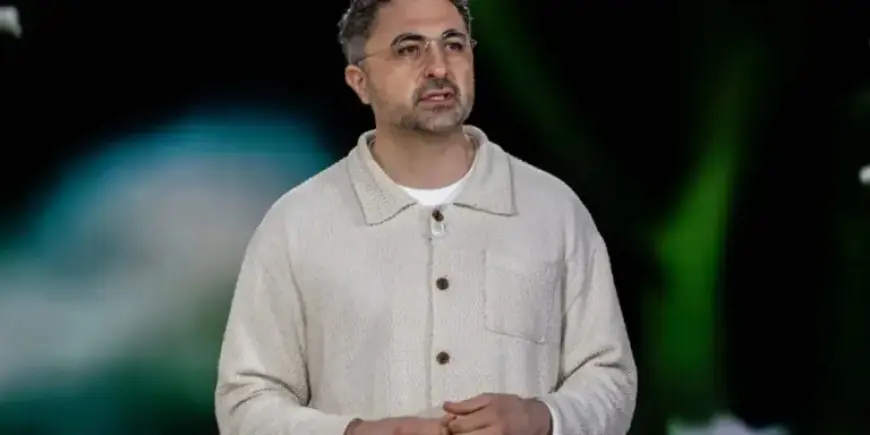
The future of white-collar work is under scrutiny as trends in artificial intelligence (AI) are poised to change professional landscapes. Mustafa Suleyman, the CEO of Microsoft AI, recently asserted that automation could significantly disrupt various industries within 18 months. His insights stem from a broader conversation about AI’s rapid evolution and its potential to perform skilled tasks traditionally managed by humans.
Timeline for White-Collar Automation
Suleyman predicts that AI will achieve human-level performance in professional tasks, leading to automation across multiple sectors. He specifically mentions the following fields as vulnerable to this shift:
- Accounting
- Legal
- Marketing
- Project Management
According to Suleyman, many of these functions, typically performed at a computer, will be fully automated within a year and a half.
Industry Experts Express Concerns
This prediction echoes sentiments shared widely by AI experts, including Matt Shumer and OpenAI CEO Sam Altman. They express concern about the implications of rapid AI advancements. Shumer likens the current moment to early 2020, just before the pandemic’s onset, foreseeing even more dramatic impacts on jobs.
In previous statements, several industry leaders have warned that automation could drastically reduce the number of entry-level white-collar positions. Dario Amodei of Anthropic mentioned that up to half of such jobs could be lost. Jim Farley, the CEO of Ford, has echoed similar warnings for the U.S. workforce.
Current Impact of AI on Professional Services
Despite the looming threats, the impact of AI on white-collar employment has been limited thus far. A report from Thomson Reuters in 2025 noted that legal and accounting sectors are only beginning to integrate AI for tasks such as document review, though the improvements in productivity are modest.
Interestingly, some studies indicate that AI usage may even hinder productivity in certain contexts. Research by Model Evaluation and Threat Research (METR) found that software developers experienced a 20% increase in task duration when using AI, casting doubt on the widespread effectiveness of these technologies.
Economic Observations and Job Losses
Research by Apollo Global Management’s economist Torsten Slok revealed striking disparities between tech and traditional sectors. While big tech firms saw profit margins increase, the broader economy remained stagnant.
In 2025, around 55,000 job cuts were attributed to AI advancements, according to Challenger, Gray & Christmas. Microsoft also announced job cuts, emphasizing the need to adapt its mission in the changing landscape.
Suleyman’s Vision for Microsoft’s Future
Mustafa Suleyman remains optimistic about the transformative capabilities of AI. He envisions a future where organizations can tailor AI to suit specific job functions, thereby enhancing productivity across various sectors. He stated, “Creating a new model is going to be like creating a podcast or writing a blog.”
Suleyman aims to guide Microsoft AI towards achieving superintelligence, focusing on building independent AI models that do not rely solely on OpenAI expertise. “This after all is the most important technology of our time,” he emphasized, highlighting his commitment to advancing AI innovations.