

























Germany Prepares for Increased Strikes in 2026

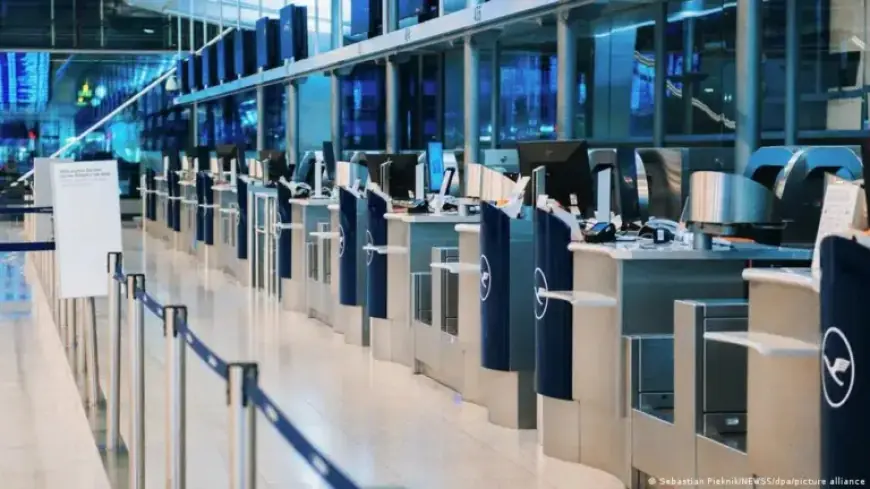
The aviation sector in Germany faced significant disruptions recently due to widespread strikes by pilots and flight attendants. Close to 800 Lufthansa flights were canceled, impacting around 100,000 passengers. The strikes were organized by the Vereinigung Cockpit (VC), representing pilots, and the UFO, which represents flight attendants.
Germany Prepares for Increased Strikes in 2026
The strikes at Lufthansa are a precursor to what may become a wider trend in 2026, a year expected to be marked by increased labor disputes. With new collective bargaining agreements anticipated for approximately 10 million employees, tensions are rising. If negotiations regarding pay and working conditions fail, employees may resort to strikes throughout various sectors.
Current Labor Disputes and Strikes
Earlier this year, the Ver.di union called national strikes ahead of collective bargaining talks with Germany’s federal states. The disruptions affected schools, daycare centers, universities, theaters, state administrations, and security agencies. Furthermore, transportation was severely impacted by “warning strikes” in February, which disrupted local transport across Germany.
- February 11: Additional warning strikes disrupt public transport in Hamburg and Bavaria.
- 2,400 jobs cut in the chemicals and pharmaceuticals industry due to high energy costs and low orders.
Future Negotiations and Collective Bargaining
As preparations for strikes grow, multiple sectors are working towards collective agreements. Notably, discussions are ongoing between Deutsche Bahn and the Union of German Train Drivers (GDL), with potential strikes looming starting March 2026.
Job Security as a Key Issue
Beyond wage concerns, job security is becoming increasingly important. In critical sectors like pharmaceuticals and chemicals, unions are advocating for job preservation alongside wages. The IG BCE union highlighted the risks to jobs at chemical plants in central Germany, emphasizing the need for stability in these roles.
- Potential rise in wages estimated at nearly 3% annually in 2026 and 2027.
- Job security likely to be prioritized over wage increases in struggling industries.
Trends in Industrial Action
Historically, strikes in Germany are less frequent than in previous decades. While industrial actions peaked in the 1980s, recent years have shown a decline. However, the German Economic Institute notes an uptick in the average number of days lost to strikes in the past 15 years.
As the year unfolds, the intersection of wage negotiations and job security will be pivotal. With various sectors gearing up for collective bargaining, the landscape for labor relations in Germany is poised for a critical phase in 2026.