














T.J. Oshie’s ‘Sochi’ Shootout Still Resonates as NHL Stars Return to the Olympics

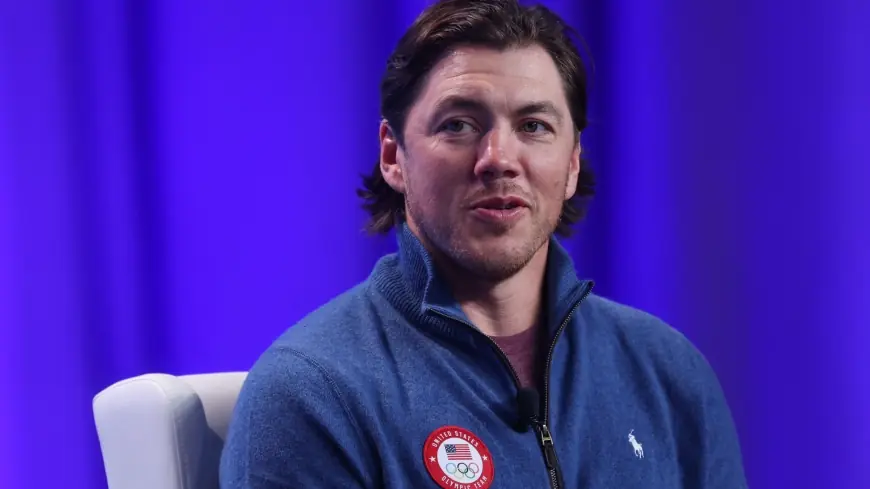
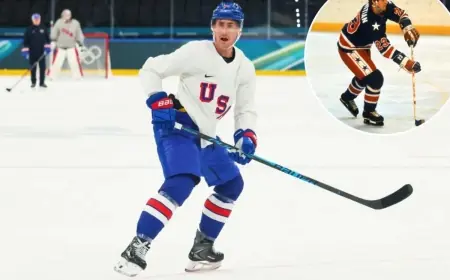
With the Winter Games bringing NHL players back to the Olympic stage for the first time since 2014, one moment from that year continues to tower over the conversation: T.J. Oshie’s ice-cold display in a marathon shootout against host Russia. In a span of minutes on Feb. 15, 2014 (ET), a tight preliminary-round game became an instant piece of American sports folklore—crowning “T.J. Sochi” and redefining clutch on international ice.
The stage in Sochi: tension, talent, and a 2–2 deadlock
Team USA entered the 2014 tournament with redemption on its mind after falling just short of gold in 2010. Across from the Americans stood a Russian team carrying the weight of home-ice expectations and a roster loaded with elite skill. The preliminary matchup delivered all the intensity fans anticipated—fast, physical, and high-stakes. After three periods and a scoreless overtime, the scoreboard read 2–2, setting up a shootout with pressure as thick as the Olympic atmosphere around it.
A rules wrinkle that opened the door to legend
International shootout rules differ from the NHL: after the first three attempts, teams are allowed to reuse shooters. That nuance became decisive. T.J. Oshie, then in his sixth NHL season and recognized for his creativity and shootout prowess, took the ice early and often. The bench decision to lean on a specialist would prove pivotal, turning a tactical wrinkle into a lasting Olympic memory.
Move by move: Oshie vs. Bobrovsky, a duel for the ages
Oshie went first for the United States and showed instant poise, gliding in deliberately before snapping a wrist shot past Sergei Bobrovsky for a 1–0 edge. The next wave of stars—Evgeni Malkin, James van Riemsdyk, Pavel Datsyuk, and Joe Pavelski—could not convert, keeping the Americans in front until Ilya Kovalchuk buried his chance to extend the contest.
From there, the drama tightened with every turn. In Round 4, both Kovalchuk and Oshie were denied. Datsyuk then struck to give Russia a lead, but Oshie answered moments later, freezing Bobrovsky with a backhand look before slipping the puck between the pads to keep the game alive. Kovalchuk scored again, turning the spotlight back on the American forward. Smiling at center ice, Oshie coolly rifled a top-corner shot over the glove to prolong the shootout yet again.
Two rounds later, with the outcome once more in his hands, Oshie delivered the winner using a variation of the move that began his masterpiece—calculated pace, subtle deception, and a quick release. In a few unforgettable attempts, a respected NHL forward stepped fully into the Olympic spotlight and stamped his name onto the tournament’s signature moment.
‘T.J. Sochi’ goes viral—and keeps his perspective
The aftermath felt immediate and nationwide. Chants of his name rolled through living rooms and rinks. Social media lit up. The nickname “T.J. Sochi” surfaced almost instantly, capturing how a preliminary game had morphed into a folk tale. Fans back in St. Louis reveled in their player’s breakout star turn.
Oshie, though, deflected the “hero” label as the celebration swelled. He offered a succinct reminder of where the word belonged: “The American heroes are wearing camo. That’s not me.” The line became part of the story itself, a counterweight of humility to the frenzy of a defining sports moment.
Why it still matters as NHLers return
With top professionals back in the Olympic mix, Oshie’s shootout is more than a highlight; it’s a playbook for pressure. It underscored how international rules can tilt strategy, how a coach can ride a specialist, and how a single player’s composure can reshape a game—and national mood—in real time. It also reaffirmed the importance of adaptability: every attempt featured a different speed, angle, or release, keeping an elite goaltender guessing.
A legacy etched in red, white, and blue
For Team USA, the Sochi shootout remains a touchstone—proof that momentum and belief can pivot on the edge of a blade. For fans in St. Louis, it became a proud marker of a homegrown star’s biggest stage. And for a new generation tuning in as the Games unfold, the memory serves as both a history lesson and a standard: the next iconic Olympic shift might be one shot away.