

























U.S. Health Officials Justify Moderna Flu Vaccine Rejection

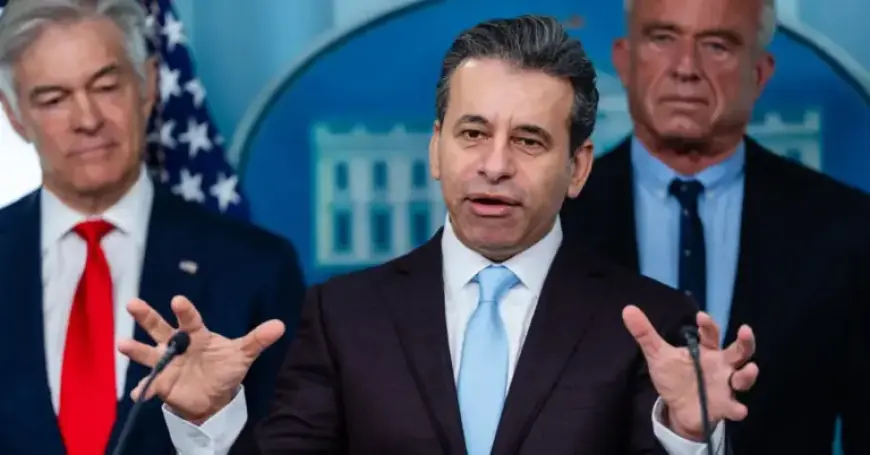
The U.S. Food and Drug Administration (FDA) has revised its earlier decision to deny Moderna’s application for its mRNA flu vaccine. This development emerged after public defense statements regarding the agency’s drug approval process were shared on a media platform.
Background on Moderna’s mRNA Flu Vaccine Application
Moderna announced its application for the mRNA flu vaccine was initially rejected, despite promising late-stage trial results showing its safety and efficacy. The decision was primarily made by Dr. Vinay Prasad, a leading vaccine regulator, who overruled the recommendations of FDA staff. This unexpected move highlighted internal disagreements within the agency.
FDA’s Justification for Rejection
During a recent Fox News interview, Dr. Marty Makary, the FDA commissioner, indicated that the rejection was part of a recurring dialogue with all pharmaceutical companies. He hinted at the possibility of future approval, emphasizing ongoing cooperation between the agency and Moderna.
Concerns About Trial Methodology
Federal officials defended the original decision, citing that Moderna did not use a recommended high-dose flu vaccine as a control in its study involving participants aged 65 and older. Andrew Nixon, a spokesperson for the Department of Health and Human Services, expressed concerns that this decision exposed older trial subjects to higher risks of severe illness.
- Moderna argued it had appropriately coordinated with the FDA, asserting that a series of meetings beginning in April 2024 confirmed the agency’s approval of their trial design.
- Chris Ridley, a spokesperson for Moderna, stated that communications from the FDA indicated they could proceed confidently with their study.
Internal Divisions and External Criticism
The rejection has prompted significant debate within the FDA. While Dr. Prasad’s decision aligned with some junior scientists, it contrasted sharply with the views of Dr. David Kaslow, head of the Office of Vaccines Research and Review.
Additionally, Dr. Makary noted ethical concerns related to Moderna’s trial methodology, suggesting it may have been unethical not to provide the best available control vaccine for senior participants. This feedback came amid criticism from Robert F. Kennedy Jr., the current health secretary, who has historically advocated that vaccines undergo testing against inert placebos—a perspective largely unsupported by vaccine researchers.
Investment and Potential Impact of the Vaccine
Moderna has received substantial investment for its mRNA flu vaccine development. Blackstone, a private equity firm, invested $750 million into this project, which included a clinical trial enrolling 41,000 participants aged 50 and above. The trial results indicated the vaccine’s safety and effectiveness for this demographic.
The innovative mRNA vaccine platform could allow for rapid adjustments in the event of more virulent flu strains, offering tailored solutions for various countries.
Conclusion
Historically, the FDA does not frequently refuse to review proposals of this nature. The recent decisions reflect an evolving landscape of vaccine regulation amid shifting political and scientific pressures. Apprehensions surrounding the management of the flu vaccine evaluation process illustrate the ongoing complexities faced by health authorities in the United States.