

























Trump Directs Defense Dept. to Purchase Coal-Generated Electricity

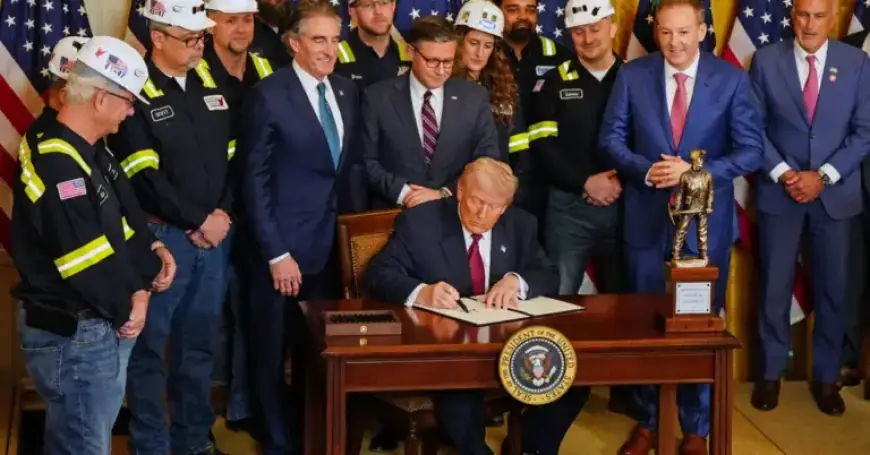
On Wednesday, former President Donald Trump directed the Pentagon to procure electricity from coal-fired power plants. This initiative is part of his broader strategy to revitalize the struggling coal industry. Trump signed an executive order mandating Defense Secretary Pete Hegseth to secure long-term contracts with coal facilities nationwide to supply military bases.
Impact on the Coal Industry
This move is expected to provide essential financial backing to numerous coal plants facing potential closure. Trump emphasized the significance of this initiative at a White House event, expressing his commitment to American coal miners and the industry as a whole. “We’re going to be buying a lot of coal through the military now,” he stated, highlighting the administration’s support for coal mining.
Financial Aid and Upgrades
- The Energy Department is investing $175 million to enhance six coal plants across various states, including Kentucky, North Carolina, Ohio, and West Virginia.
- The Tennessee Valley Authority plans to delay the retirement of its two largest coal plants that were initially scheduled to close in 2027 and 2028.
These developments represent a significant shift in the U.S. energy landscape, where coal has seen a substantial decline in usage over the years. Electric utilities have retired many older coal plants in favor of cleaner forms of energy such as natural gas, solar, and wind.
Administration’s Commitment
The Trump administration has taken several steps to support the coal sector, including ordering the continuation of eight coal units previously slated for retirement. These actions aim to halt the trend of decreasing coal production, with officials acknowledging the need to maintain coal as a reliable energy source.
Trump referred to coal as “clean, beautiful coal,” a characterization that has drawn criticism from environmental groups. Despite the clear environmental concerns associated with coal production, the administration argues that these resources are vital to maintaining energy reliability, especially during extreme weather conditions.
Future of Coal Supply
Michelle Bloodworth, president of America’s Power, noted there are over 40 coal plants within 100 miles of U.S. military installations. Securing contracts with the Pentagon could provide financial stability for these plants, allowing for further investments and a consistent demand for coal.
Challenges Ahead
While the military’s support could help some coal facilities, analysts like Douglas Giuffre from S&P Global Energy caution against over-reliance on this initiative. Even with full military support, the demand from the Department of Defense would represent only a small fraction of the national coal capacity.
- Electric utilities have postponed the retirement of over 58 coal-burning units at 32 power plants since 2022.
- Many coal facilities are hindered by aging infrastructure and increased maintenance costs.
Critics worry that extending the lives of older coal plants could lead to higher electricity prices and stymie investments in cleaner energy sources. Efforts to dismantle existing pollution regulations raise concerns among environmental groups regarding public health impacts.
Conclusion
The Pentagon’s initiative to purchase coal-generated electricity is part of a broader attempt to stave off the decline of the coal industry. While it may provide temporary relief, the long-term viability of coal remains uncertain amid rising maintenance costs and a changing energy landscape. The question remains whether these efforts can ensure coal’s relevance in an evolving energy market.