




















Ben Stiller Backs Bad Bunny, Criticizes Randy Fine’s FCC Probe

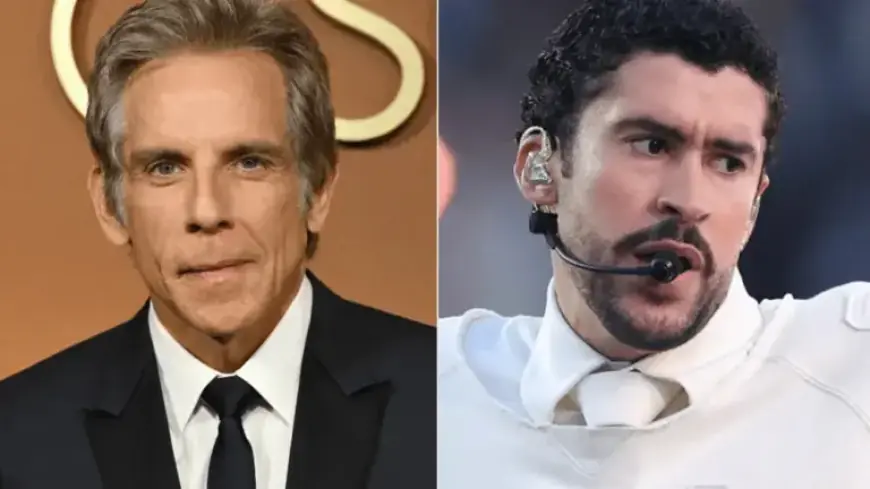
Ben Stiller has voiced his support for Bad Bunny amidst controversy surrounding the artist’s Super Bowl Halftime Show. This came after Florida Congressman Randy Fine publicly criticized the performance, calling for an investigation by the Federal Communications Commission (FCC).
Randy Fine’s Controversial Letter
Randy Fine, a Republican representative for Florida’s 6th congressional district, expressed his concerns about Bad Bunny’s Super Bowl performance in a letter to FCC Chairman Brendan Carr. Fine labeled the show’s content as inappropriate and called for sanctions.
- Fine’s key accusations include:
- Encouraging illegal drug use during the broadcast.
- Using profanity, which he claims violates broadcasting regulations.
In his letter, Fine stated, “It doesn’t matter if you say it in Spanish. Encouraging children to use cocaine in a live television broadcast is a crime.” He urged the FCC to enforce strict penalties, suggesting that any leniency would convey that indecency is acceptable if profitable.
Ben Stiller’s Response
Stiller became one of the notable figures to counter Fine’s critique. He took to social media, humorously questioning how Bad Bunny managed to create such a successful and inclusive performance. He tweeted, “Focus of investigation: how did Bad Bunny manage to kick ass at such a high level?”
Stiller’s remarks stirred up a mix of responses, leading him to further engage with critics. For instance, he responded to a user who stated, “When you spend your entire life in the bubble of Hollywood… you become self-righteous.” Stiller replied, “Thanks. I live and am from New York City, and am grateful for my family.”
Back and Forth on Social Media
In a lively exchange, supporters of Fine challenged Stiller, highlighting claims that Bad Bunny’s show was not the most-watched halftime in history. Stiller, however, remained unfazed, acknowledging Kendrick Lamar’s performance while defending Bad Bunny.
Stiller has drawn parallels to Andy Cohen, who also defended Bad Bunny over social media after the Super Bowl. Cohen took to Threads to address criticism aimed at the artist.
The Broader Implications
Stiller’s comments reflect a larger trend of celebrity support for artistic expression, even when faced with political backlash. His defense of Bad Bunny underscores the ongoing dialogue regarding freedom of expression in entertainment, particularly during significant events like the Super Bowl.
As the discussion evolves, the impact of public figures like Stiller and Fine on the reputation of artists like Bad Bunny will continue to be scrutinized. The responses highlight the intersection of politics and pop culture in current discourse.