
























Gus Lamont update: Police name a suspect tied to Oak Park Station as grandparents and grandmother speak through lawyers

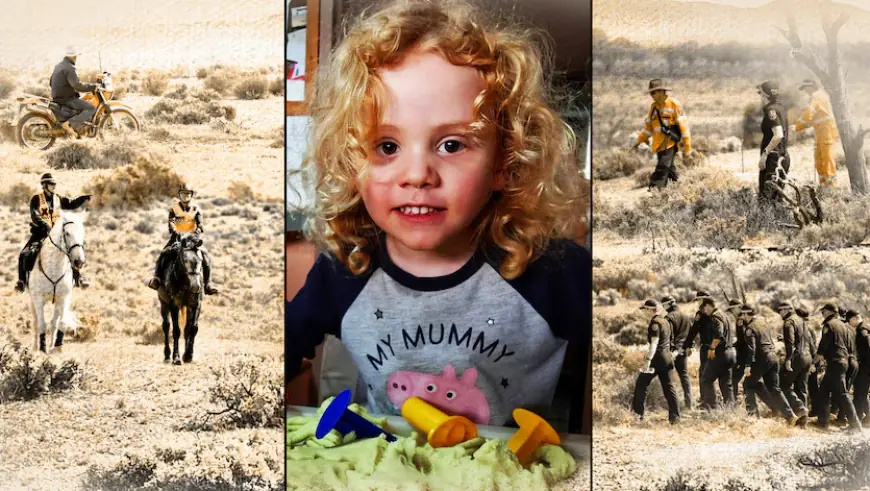
Four-year-old August Gus Lamont has now been missing for more than four months, and the investigation has entered a markedly more serious phase. South Australia Police have formally reclassified Gus’s disappearance from Oak Park Station near Yunta as a major crime, identifying a suspect who lives at the property and is known to the child. Police have also stressed publicly that Gus’s parents are not suspects.
As of Wednesday, February 11, 2026 ET, there have been no public announcements of charges, and Gus has not been found. What has changed is the posture of the case: investigators are no longer treating the disappearance as a misadventure or a simple wandering-off scenario.
What happened at Oak Park Station and what police have confirmed so far
Gus was reported missing on September 27, 2025 from his family’s remote sheep station, Oak Park Station, in outback South Australia. He was last seen at the homestead area, described as outside and playing, before he disappeared. Early efforts focused on the possibility he had wandered away, prompting large-scale ground and aerial searches.
Police later carried out further investigative work beyond search operations. Investigators executed a search warrant at Oak Park Station in mid-January 2026, conducted forensic activity at the property, and seized items for examination. In early February 2026, police announced a major escalation: a person residing at Oak Park Station had withdrawn cooperation with investigators and is now considered a suspect. Police also said the suspect is known to Gus.
That combination of steps is important. A warrant and seizures indicate a shift from searching terrain to testing evidence. A public statement naming a suspect, even without identifying them, signals investigators believe they have enough inconsistencies in accounts or timelines to treat the matter as potential criminal conduct.
Gus Lamont grandparents and grandmother: what they have said and why it matters
Gus’s grandparents issued a joint public statement through legal representatives after police declared the case a major crime. They said they were devastated by the development, emphasized that the family has cooperated with the investigation, and indicated they would not take part in interviews or comment further.
The move to speak via lawyers is not unusual in major investigations, but it changes the flow of information. Once legal representation is involved, public comment tends to narrow, and police become more cautious about what they reveal. That can frustrate communities following the case, but it often reflects the reality that investigators are now building a case file that must hold up under scrutiny.
The grandmother angle has also become central because the last confirmed sighting of Gus has been associated with family supervision at the homestead. In cases involving very young children on isolated properties, investigators typically re-test early timelines, movements between buildings, and who was present at specific moments, because the window for disappearance is usually small.
Behind the headline: incentives, stakeholders, and what may be driving the suspect call
Context matters. Missing-child cases in remote areas often begin with a search-first posture because time is critical. As days pass without physical evidence in the landscape, investigative weight tends to shift toward human explanations, especially when there are gaps in timelines or conflicting recollections.
Police incentives here are straightforward: reduce noise, lock down a reliable timeline, and preserve evidence while avoiding public claims that could compromise a future prosecution. Declaring a major crime can also unlock additional resources, specialist capability, and investigative authorities.
Stakeholders are wider than the immediate family. Local residents and volunteers who searched the area want clarity and closure. Police leadership faces intense scrutiny over early assumptions. Child protection advocates watch how public messaging affects families and community cooperation. Online speculation is also a stakeholder of sorts, because misinformation can generate false tips, harass witnesses, and contaminate potential juror pools.
Second-order effects are already visible. When police publicly identify a suspect but do not name them, the vacuum can invite rumor. That dynamic raises the stakes for careful, disciplined public communication and can pressure investigators to provide updates at moments that serve the investigation rather than the news cycle.
What we still do not know
Several key details remain undisclosed or unconfirmed publicly:
-
The identity of the suspect and their relationship to Gus beyond being known to him and residing at Oak Park Station
-
What specific inconsistencies or discrepancies led police to the suspect designation
-
What was seized during the January forensic activity and whether testing has produced actionable results
-
Whether investigators believe Gus is alive, or whether they are now primarily working a suspected homicide timeline
What happens next: realistic scenarios and triggers to watch
-
A renewed targeted search may occur if forensic results or witness information point to specific locations. Trigger: police activity returning to defined areas rather than broad sweeps.
-
Further interviews and formal statements may follow as investigators test competing versions of events. Trigger: additional public appeals for information tied to precise time windows.
-
Charges could be laid if police believe evidence meets the threshold, even without recovering Gus. Trigger: a clear evidentiary narrative built from timelines, forensics, and corroboration.
-
The case could remain in a prolonged investigative stage if evidence is circumstantial or incomplete. Trigger: continued restraint in public disclosures paired with periodic procedural updates.
-
Court-imposed suppression or tighter public messaging may follow if legal proceedings begin. Trigger: formal charges and the need to protect a fair trial.
For now, the most concrete update is the shift in classification and focus: police are treating Gus Lamont’s disappearance as a major crime involving a suspect tied to Oak Park Station, while his grandparents and grandmother have stepped back from public commentary and are communicating through lawyers.