





















Kid Rock Critiques Super Bowl Performance, Defends Lip Sync Concerns

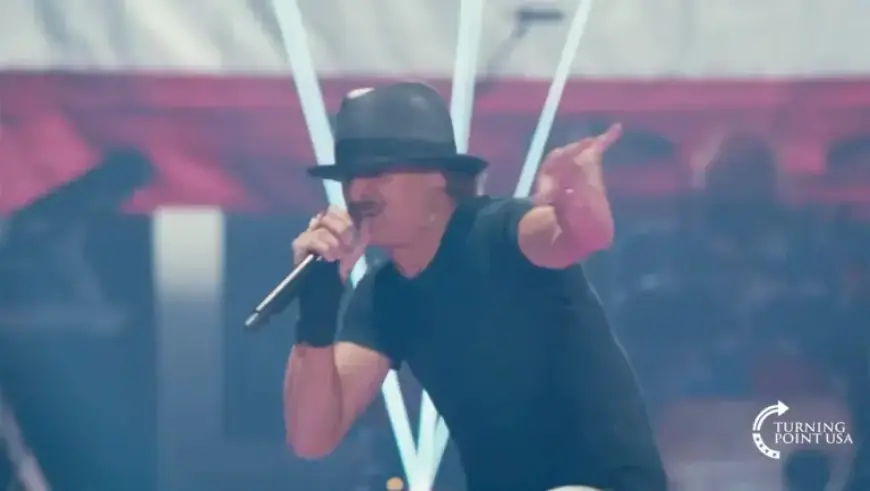
Kid Rock recently addressed criticisms surrounding his Super Bowl halftime show performance. He defended himself against claims of lip syncing during his rendition of “Bawitdaba.” The artist took to X to clarify the situation, asserting that while the performance was pre-recorded, it was played live.
Kid Rock’s Response to Lip Sync Allegations
In the post, Kid Rock explained that the synchronization issues during the performance were a result of frantic edits. He noted that the production did not align the music correctly with his performance due to the chaotic nature of the song. “It did not line up,” he mentioned in a video accompanying his post.
Complications During the Performance
- Performance was pre-recorded but executed live.
- Kid Rock insisted there was no lip syncing.
- Synchronization problems arose from the complexity of the song.
Kid Rock expressed that if he were to lip sync, “Bawitdaba” would be the last song he would choose. He emphasized that he has consistently performed this track on stage since its release in 1998. After observing an initial cut of his performance, he pointed out that the sync was off, attributing the issue to a lack of familiarity with the song on the production team’s part.
Industry Reactions and Criticism
During his performance, not only did Kid Rock face backlash, but late-night host Jimmy Kimmel also criticized the halftime show. Kimmel referred to Kid Rock’s performance as featuring a “lip sync battle with himself” and expressed amusement at the production errors.
Broader Implications of Lip Sync Accusations
Kid Rock voiced his concerns regarding the frequent claims of lip syncing in the entertainment industry. He highlighted how these allegations are often perpetuated in media, affecting artists across genres. He noted that similar accusations were aimed at Bad Bunny during a recent appearance on “Saturday Night Live.”
Despite the criticism, Kid Rock remains positive about the production team’s efforts, acknowledging that errors can happen in live performances. He stated, “Nobody’s perfect every time,” urging fans to look beyond negative narratives and focus on the music. In closing, he admonished those who amplify unverified claims, asserting that these misrepresentations can skew public perception.