

























Welsh University Funding Threatened by Reform Policy Chief, Sparks Uproar

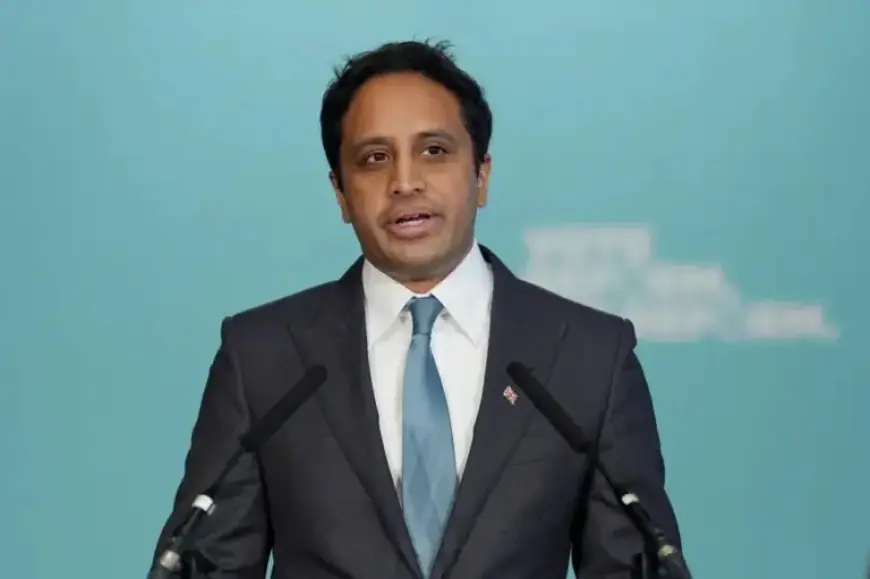
In a recent controversy surrounding Bangor University, tensions have escalated following remarks made by Reform UK’s chief policy officer, Zia Yusuf. Yusuf threatened to cut funding to the university, which currently receives approximately £30 million in state support annually. This ultimatum was sparked by the university’s Debating and Political Society rejecting a request from two Reform UK figures to attend an event.
Details of the Incident
The Debating and Political Society made headlines after publicly stating their refusal to host Jack Anderton and Sarah Pochin, both associated with Reform UK. The society emphasized their commitment to values that oppose racism, transphobia, and homophobia. They affirmed that their decision reflects a long-standing tradition of promoting fair and open debate.
Reform UK’s Response
In a fiery post on social media platform X, Zia Yusuf condemned the university’s decision, labeling it as an unjust ban on Reform UK. He questioned the implications of withholding state funding, arguing that taxpayers who support his party would surely object to their money funding an institution that excludes certain viewpoints.
Context of the Debate
- Jack Anderton is notable for his controversial remarks about UK foreign policy concerning World War II and support for Ukraine.
- Sarah Pochin won a narrow by-election in May 2025, raising further scrutiny for her previous statements perceived as racially insensitive.
Public Reaction
The backlash from the public and various political figures has been swift. Critics highlighted similarities to former US President Trump’s threats to defund universities he considers too liberal. Responses from former politicians and local citizens have described Yusuf’s comments as both misguided and authoritarian.
Statements from Supporters of the University
- Former Bridgend Labour council leader Jeff Jones criticized Yusuf’s remarks, highlighting the current state of the UK.
- Plaid Cymru councillor Gareth Parry called the threat “petty authoritarianism.”
- Many, including Bangor graduates, have expressed solidarity with the university’s decision, citing the importance of academic freedom.
This dispute reflects broader cultural divisions and ongoing debates on free speech within academic institutions in the UK. The situation at Bangor University poses fundamental questions about the responsibilities and rights of educational establishments in a politically charged environment.