

























TV Remotes Obsolete: Discover the Future of Home Entertainment

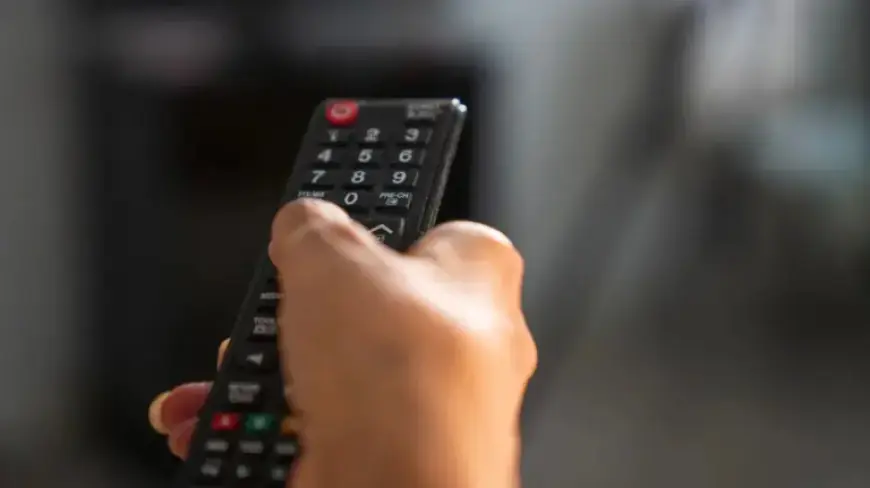
The television industry is undergoing significant changes, particularly in how we interact with our devices. With advancements in technology, the reliance on traditional TV remotes is declining. As smart technology evolves, consumers increasingly turn to their smartphones and voice commands to control their home entertainment systems.
Emerging Trends in TV Control
Once essential for operating televisions, remotes are now being replaced by apps. Brands like Roku and Samsung have developed applications that allow users to control their TV directly from a smartphone or tablet. This shift makes managing viewing experiences more convenient and accessible.
Smartphone Apps Revolutionize TV Control
- Roku offers a dedicated app for device control.
- Samsung’s SmartThings integrates multiple devices, including TVs.
Having a smartphone on hand at all times means users can easily access their television features without fumbling for a remote. This trend reflects a broader shift toward app-based controls, significantly altering the landscape of home entertainment.
Voice Control: The Next Frontier
While smartphone apps have gained popularity, experts predict that voice control will dominate the future of TV interaction. Companies are heavily investing in voice-activated technologies, allowing users to simply speak commands to manage their devices.
- Google’s Gemini in Google Home enhances voice control capabilities.
- Roku integrates voice commands as a user-friendly feature.
This innovative approach draws inspiration from futuristic portrayals in media, where voice commands facilitate everyday tasks. As these smart systems become more advanced, they may soon replace both remotes and app interfaces in controlling television sets.
The Future of Home Entertainment
As the demand for smart home technologies grows, industry experts believe that voice-connected devices will be at the forefront of home entertainment. The shift away from traditional remotes signifies a broader transformation in how consumers experience media.
With ongoing advancements in voice recognition and smart technology, the future of TV control is poised for a significant evolution. As these technologies mature, understanding their implications on user experiences will be key for both consumers and manufacturers.