
























Are Madison Chock and Evan Bates Married? What to Know About the Ice Dance Stars’ Relationship, Ages, and Olympic Moment

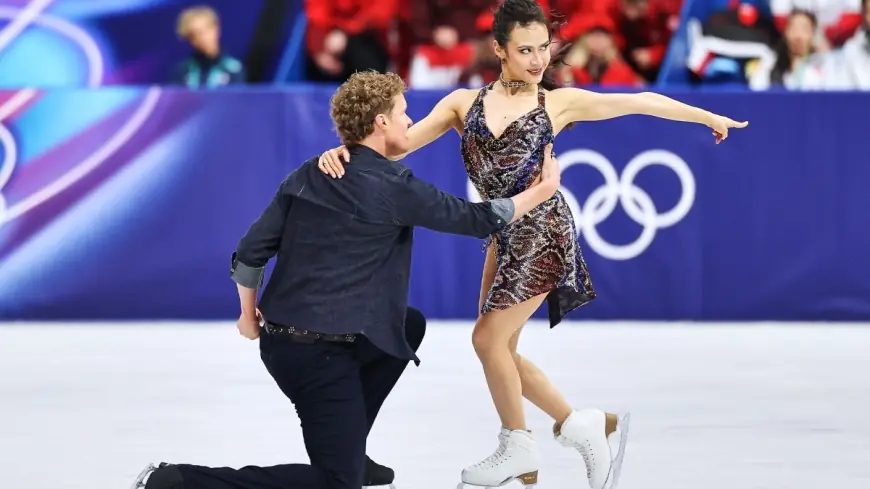
As ice dancing heats up at the Winter Games, one question keeps popping up alongside the medal math: are Madison Chock and Evan Bates married, and how old are they. The short answer is yes, they are married, and their personal timeline now overlaps with one of the most competitive stretches of their careers.
Madison Chock and Evan Bates married: the current status
Madison Chock and Evan Bates are married. They became publicly known as a couple after years of skating partnership, later got engaged in 2022, and married on June 20, 2024.
That detail matters right now because ice dance is a sport where perception, chemistry, and storytelling can be inseparable from scoring. Fans notice the way a team connects, how risk shows up in choreography, and whether performances feel lived-in rather than performed. Marriage does not automatically translate into points, but it does change the conversation around trust, stability, and how a pair manages pressure when every tenth of a point counts.
Chock and Bates ages: how old are they today
If you are searching “chock and bates ages” or “how old are chock and bates,” here are the basics as of today in Eastern Time.
Madison Chock was born July 2, 1992. She is 33 years old.
Evan Bates was born February 23, 1989. He is 36 years old.
Those ages land them in a veteran bracket for Olympic ice dance, where experience can be a competitive advantage. The older a team gets, the more they tend to rely on precision, edge quality, and performance control rather than trying to win purely on speed or novelty.
Why the marriage question keeps trending during the Olympics
Big events turn athletes into household names for a few weeks, and the search behavior is predictable: people want the human details fast. “Madison Chock husband,” “Evan Bates wife,” and “are bates and chock married” spike because viewers are trying to place the partnership in a familiar frame.
But there is also a deeper reason. Ice dance is marketed around partnership. When the pair is also a real-life couple, it adds a layer of narrative that is easy for casual viewers to understand. That can be a branding advantage, but it also creates a different kind of scrutiny.
Behind the headline: incentives, stakeholders, and pressure points
The incentives are not just romantic curiosity. They are professional.
For Chock and Bates, being an established married team can strengthen their public identity heading into the highest-visibility competitions. For sponsors and event organizers, a clear story makes it easier to promote the sport to broader audiences. For the federation ecosystem around elite skating, a star pair that draws attention can lift the entire discipline, from broadcast interest to funding for development.
The pressure point is that ice dance remains intensely subjective compared with timed sports. Teams are evaluated on technical elements and components, and public narratives can shape what fans think judges should reward. That does not mean judging is dictated by headlines, but it does mean every performance happens inside a larger attention economy.
What we still do not know, and what to watch next
Even with the marriage status confirmed, a few things remain unknowable from the outside.
How they separate training stress from relationship stress during a compressed Olympic schedule is private. How much they are managing injuries, fatigue, or strategic changes is often only revealed after the event. And how they plan their post-Olympic future, whether continuing through another season, shifting to shows, or stepping back, is typically decided later than fans expect.
What to watch is not gossip. It is signals: whether their free dance difficulty increases, whether their element levels stay clean under pressure, and whether they look like they are skating to win or skating not to lose.
What happens next: realistic scenarios with clear triggers
-
They deliver a clean free dance and contend for the top step, triggered by maximizing element levels and avoiding costly twizzles or lift errors.
-
They podium but not gold, triggered by small level calls or an edge error that creates a narrow points gap.
-
They miss the podium, triggered by a single major mistake in an element that swings the technical score.
-
They continue competing after the Games, triggered by motivation, health, and how close they feel to unfinished goals.
-
They pivot toward shows, coaching, or choreography work, triggered by physical wear and the chance to capitalize on peak visibility.
Why it matters
Madison Chock and Evan Bates are not just a viral search topic. They sit at the intersection of elite sport and public narrative, where personal milestones can amplify professional stakes. Right now, their marriage status answers the internet’s most common question. Their skating answers the only one that decides medals.