

























China Shifts Strategy Amid Waning Confidence in US Debt

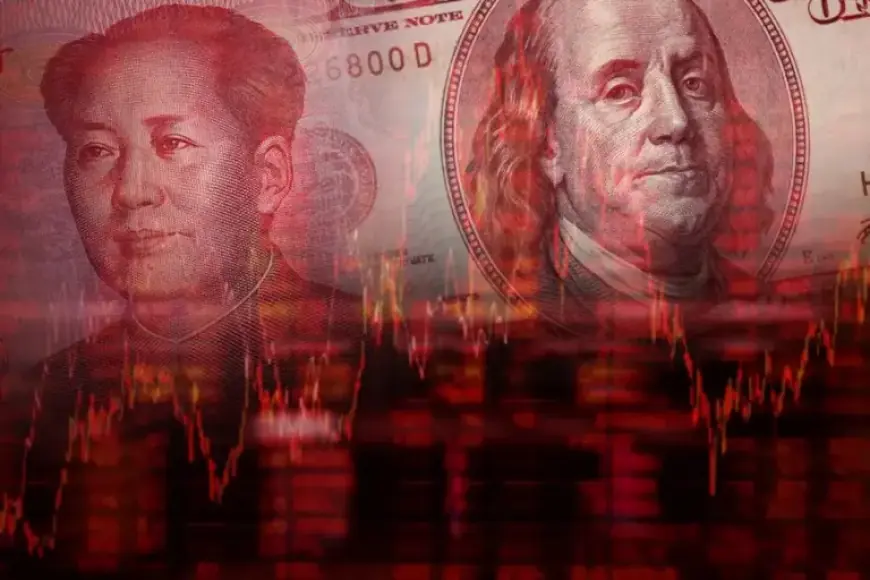
China is increasingly cautious about its extensive investments in US Treasuries. The country has advised its major banks to reassess their exposure to US government debt. This shift in strategy reflects a growing concern regarding the current risk climate managed by US fiscal policy.
Changes in Chinese Banking Strategy
Chinese regulators have urged significant banks to limit further investments in US Treasury securities. This advice aims to prevent excessive concentration in US debt holdings. Notably, these directives are verbal, lacking specific targets or deadlines, and they do not affect China’s official state reserves.
Current Holdings and Concerns
As of September, Chinese banks’ holdings in dollar-denominated bonds totaled approximately $298 billion. While the exact amount held in Treasuries remains unclear, regulatory bodies are increasingly apprehensive about the overall volatility rather than default risks. Their primary concern lies in concentrated risk rather than the creditworthiness of the US.
The Erosion of Confidence
For years, US Treasuries have served as a cornerstone for financial stability in Asia. Investments in these securities were regarded as liquid and largely insulated from political influences. However, the perception of US Treasuries is shifting.
- Under the Trump administration, the US adopted an expansionary fiscal stance.
- Political motives have become more apparent in US financial policies.
- The dollar’s status as a neutral reserve asset has been questioned.
These changes have led to concerns among foreign holders, who now view Treasuries differently. While markets may currently appear stable, many recognize that prolonged calm can signal impending volatility.
The Response from Asia
Chinese financial regulators’ actions may profoundly impact the broader Asian market. Stakeholders in Japan, Southeast Asia, and other regional markets will closely monitor China’s reassessment of risk. Although they may not directly replicate China’s actions, they will likely adjust their strategies accordingly.
Historically, shifts in market sentiment and risk perception in Asia lead to early, quiet capital movements. Asian markets understand the significance of preparing for volatile conditions.
Implications for US Treasury Demand
US officials have reported that foreign holdings of Treasuries reached a record $9.4 trillion in November. However, these statistics reflect backward-looking data and may not account for changing expectations.
If foreign institutions begin to see US debt as a risk rather than a hedge, the entire risk framework will shift. This change could redefine Treasuries from secure ballast to a typical exposure requiring careful management.
Conclusion: A Changing Landscape
The dynamics in US-China relations, combined with emerging concerns over US Treasury stability, will likely influence how Asia approaches investments in US debt. As China seeks to diversify its risk, other nations in the region will similarly strategize to navigate these evolving financial landscapes.