






















Mike Macdonald reaches Super Bowl stage as Seahawks’ young coach faces defining test

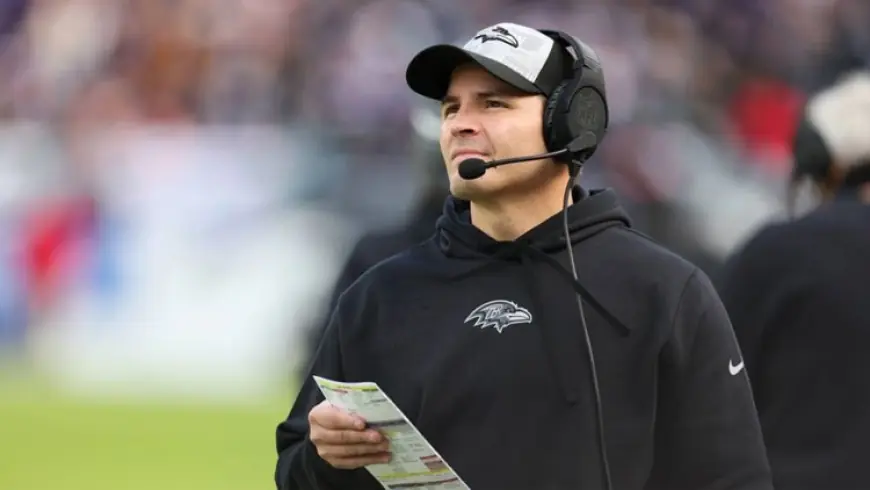
Mike Macdonald has moved from fast-rising defensive architect to Super Bowl head coach in a remarkably short span, and Sunday night in Santa Clara will be the biggest measure yet of whether his aggressive, detail-heavy style can hold up under the NFL’s brightest spotlight. At 38, Macdonald is one of the league’s youngest head coaches, leading Seattle into Super Bowl LX against New England with a defense-first identity that has become the Seahawks’ calling card this season.
The matchup puts Macdonald on the same stage that often shapes legacies for a decade: a single game where every decision is amplified, every adjustment is visible, and every high-risk call becomes either brilliance or blame.
From coordinator to head coach, quickly
Macdonald’s rise has been defined by rapid trust from decision-makers and immediate results. He built his reputation as a teacher and planner, earning bigger responsibilities early in his career and developing a defensive philosophy that leans on disguise, pressure, and forcing quarterbacks to hesitate.
A quick snapshot of his path:
| Stop | Role | What it signaled |
|---|---|---|
| Baltimore | Defensive staff, then coordinator | Built a reputation for modern, adaptable defense |
| Michigan | Defensive coordinator | Proved he could translate ideas quickly in a new environment |
| Seattle | Head coach | Elevated to lead a full program, not just one side of the ball |
The Seahawks’ defensive identity bears his fingerprints
Seattle’s revival has been rooted in stress defense: changing pictures before the snap, mixing coverage looks, and using pressure packages to speed up reads. The hallmark isn’t one scheme; it’s the willingness to shift week to week without losing structure.
That approach requires buy-in from veterans and clarity for younger players. The benefit is flexibility—Seattle can tailor game plans to an opponent’s weak points. The risk is complexity—too many moving parts can break under tempo, noise, or a quarterback who solves the puzzle early.
The Super Bowl challenge: when “tendencies” get hunted
The Super Bowl is different because the opponent has two full weeks to study every signal: third-down calls, red-zone habits, pressure tells, substitution patterns, and late-game preferences. It becomes less about surprise and more about layering: showing one thing, playing another, then countering the counter.
For Macdonald, the strategic test is whether he can keep the Patriots uncomfortable without handing them easy answers. The tactical levers are familiar—pressure rate, coverage shells, and how to handle motion—but the margin for error is thinner than any regular-season Sunday.
Head-coach pressure: offense, defense, and the invisible decisions
Macdonald’s background is defense, but Super Bowls often swing on the hidden decisions that don’t fit neatly into a defensive playbook:
-
Fourth-down choices and field-position gambles
-
Timeout usage at the end of halves
-
Managing tempo when momentum flips
-
Handling sudden injuries and reshuffled matchups
Those moments are where young head coaches can get tested most. The best ones don’t try to be perfect—they try to stay consistent with their team’s identity and avoid panic when the game gets loud.
Leadership style: calm outside, demanding inside
Macdonald has developed a reputation for being steady in public while demanding precision in preparation. Seattle’s turnaround this season has been built less on flash and more on repeatable habits: meetings that emphasize details, practice reps that simulate situational football, and game plans that aim to create confusion for opponents.
That style tends to show up most when the game goes sideways. The Seahawks’ ability to reset after a bad series—or a bad quarter—may be as important as any blitz package on Sunday night.
What Sunday night could mean going forward
A Super Bowl appearance in his second season as a head coach changes the trajectory of how a franchise is viewed. Win or lose, it signals the start of a “window” where roster decisions, coordinator hires, and player development are judged against championship expectations.
If Seattle wins, Macdonald instantly becomes the model for the modern defensive head coach—young, adaptable, aggressive. If Seattle loses, the questions become more granular: game management, in-game adjustments, and whether the roster needs more help on offense to keep pace in a league that still rewards scoring bursts.
Either way, Sunday is the kind of stage that permanently raises the volume around a coach. It doesn’t end the story, but it sets the tone for the chapters that follow.
Sources consulted: Associated Press, Reuters, Seahawks.com, WTOP News