






















Trump Labels Oregon Olympic Skier ‘Loser’ in Social Media Post

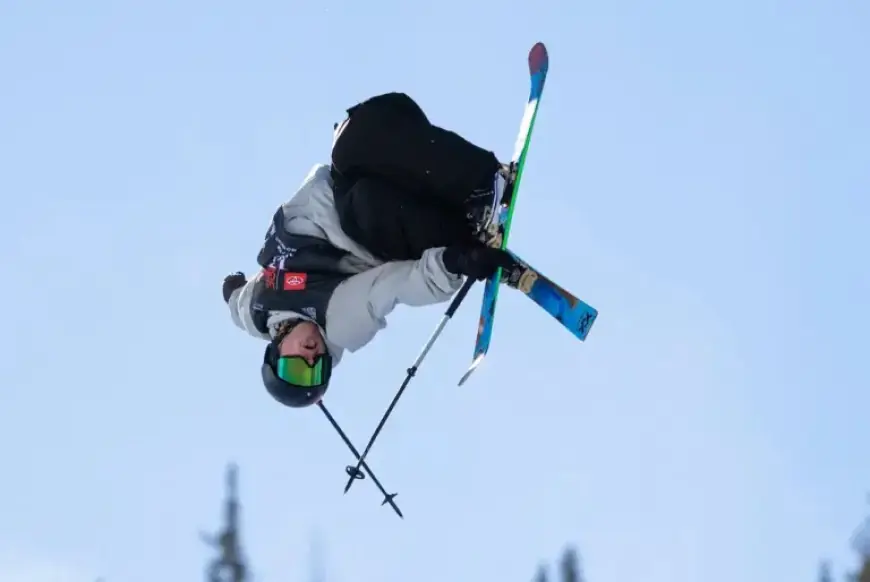
In a recent social media post, former President Donald Trump referred to Olympic skier Hunter Hess as “a real Loser.” This remark followed Hess’s statements during a news conference, where he expressed his mixed feelings about representing the United States amidst contentious immigration policies.
Background on Hunter Hess
Hunter Hess, a 27-year-old freestyle skier, grew up in Bend, Oregon, but currently resides in Salt Lake City. Ahead of the Milan Cortina Games, he shared his belief that he does not fully represent the current political climate in the U.S.
Hess’s Comments at the News Conference
- During the Friday press conference, Hess described his emotional conflict regarding U.S. representation.
- He chose to represent his family, friends, and the positive aspects of America.
Trump’s Reaction
Two days after Hess’s remarks, Trump reacted on his platform, Truth Social. He criticized Hess, stating, “If that’s the case, he shouldn’t have tried out for the Team.” Trump’s message concluded with a push for his campaign slogan, “MAKE AMERICA GREAT AGAIN!”
Responses from Other Athletes
Hess isn’t alone in expressing dissent. Freestyle skier Chris Lillis also voiced his heartbreak over U.S. policies related to immigration enforcement. He emphasized the need for respecting everyone’s rights.
U.S. figure skater Amber Glenn highlighted the struggles faced by the LGBTQ+ community during the Trump administration. She reported receiving significant online backlash for her candidness.
Backlash from Conservative Figures
- Notable figures like Jake Paul, Brett Favre, Rob Schneider, and Rep. Byron Donalds criticized the athletes’ sentiments.
- Public reactions included a wave of negative comments directed at the athletes.
Support from the U.S. Olympic and Paralympic Committee
In light of the escalating abusive messages, the U.S. Olympic and Paralympic Committee released a statement. They affirmed their support for the athletes, committing to their safety and well-being both on and off the field.
This situation underscores the intersection of sports and politics, particularly as athletes navigate their identities and beliefs on a global stage.