

























Seaside Town Seeks Improved Phone Service Without Large Towers

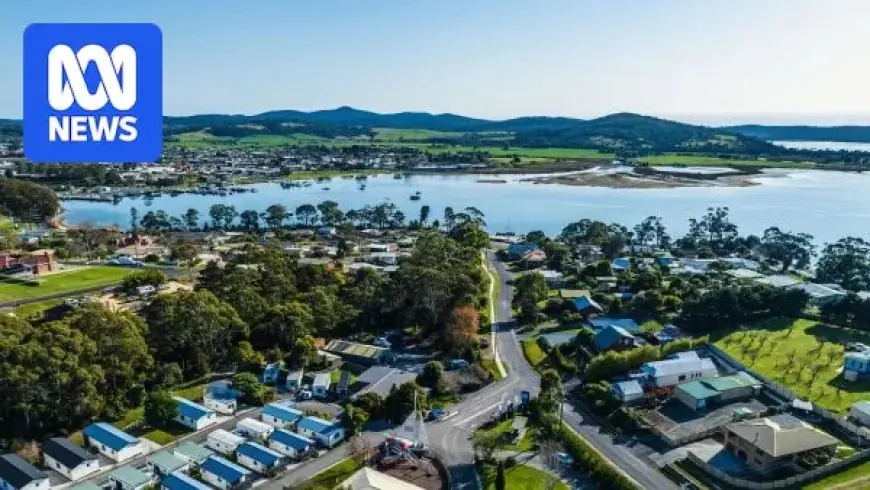
St Helens, a charming seaside town on Tasmania’s east coast, is known for its stunning bay views and popularity among tourists. However, residents face significant challenges due to unreliable mobile phone reception. Locals express a strong desire for improved connectivity while also grappling with the aesthetic impact of a proposed mobile tower.
Community Concerns Over Proposed Phone Tower
Mayor Mick Tucker of Break O’Day has voiced the community’s urgent need for enhanced mobile services. “The best interest of our whole community is better connectivity,” Tucker stated. He further explained that the current situation includes numerous black spots, making reliable service essential for both personal and emergency communications.
Last year, the Tasmanian Civil and Administrative Tribunal (TASCAT) rejected a previous plan by Amplitel for a tower at the Telstra Exchange site. Despite the council’s disappointment, Tucker indicated a willingness to explore alternative locations for the new tower.
Benefits of Improved Connectivity
According to Telstra, the proposed tower could increase mobile capacity by over 15 times and introduce 5G technology. However, the exact placement remains controversial. Many residents appreciate the need for better service but are concerned about the visual aesthetics of a 26-metre tower in the town center.
Voices from the Community
- Dean Ducane, a newcomer, expressed frustration over poor reception, stating, “I get reception in the morning, and once everyone gets on their phones, that’s it.” He acknowledges the potential eyesore but hopes for relief.
- Business owner Julie-Anne Speers, who operates next door to the proposed site, worries about potential health implications despite scientists finding no substantial evidence against low-level radiation.
- Kerry Agius, a gallery owner, suggests moving the tower further from the street, emphasizing that tourists should remember St Helens for its natural beauty and shops, not for a mobile tower.
Tourism and Communication Challenges
During December and January, St Helens welcomed between 60,000 and 80,000 visitors. However, East Coast Tasmania Tourism’s Grace Keath notes that the network’s limitations hinder both tourists and local businesses. She emphasizes the need for improved connectivity for both visitors and locals to thrive.
Telecommunications consultant Paul Budde highlighted that such community tensions often arise in regional areas. He noted the importance of balancing essential services with community aesthetics and health concerns. Budde called for better regulations to facilitate positive dialogue between telecommunications companies and the towns they serve.
Moving Forward
Telstra has conducted a detailed assessment, claiming the proposed site is optimal for addressing connectivity issues. A community information session is scheduled for February to discuss the project and address resident concerns. The ongoing dialogue is crucial for achieving a solution that meets both connectivity needs and the community’s aesthetic values.