

























Lindsey Vonn crash: what happened at the gate, why the run stopped, and what “stable condition” means in the latest official updates

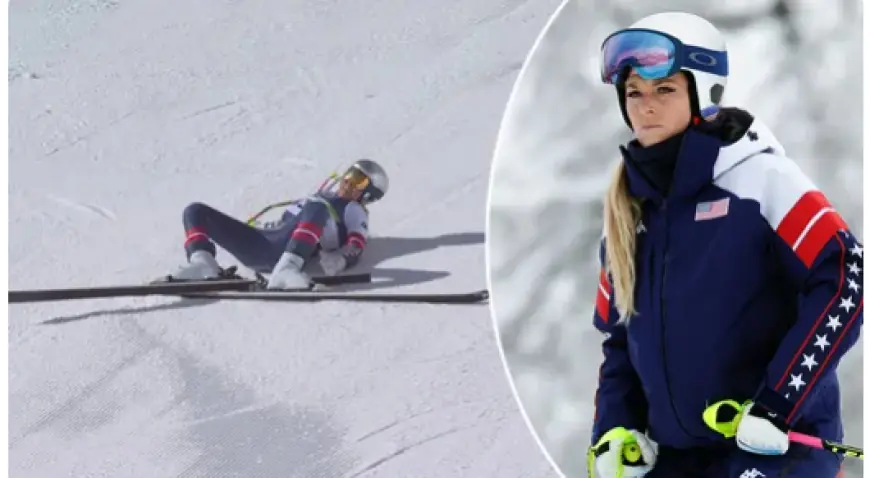
Lindsey Vonn’s final Olympic downhill ended in a frightening, high-speed crash on Sunday, Feb. 8, 2026, moments after she left the start in Cortina d’Ampezzo. The U.S. star was airlifted from the course, later underwent surgery to stabilize a fracture in her left leg, and officials said she is in stable condition while receiving care from American and Italian physicians.
Here’s what is known so far about the gate sequence, why her run ended immediately, and what the latest medical language actually signals.
What happened at the gate
Vonn was roughly 12–13 seconds into her run on the Olimpia delle Tofane track when she lost her line in a fast, technical section that demands an aggressive setup into the next gate. The sequence that followed has been described in slightly different ways across early accounts, but the core elements align:
-
She drifted off her intended line and made contact with a gate/marker area.
-
Her upper body and equipment were thrown out of alignment.
-
She could not recover her balance at downhill speed and went down hard, sliding and tumbling before coming to a stop.
One widely cited detail is that her right ski pole became entangled with a course marker, which can instantly disrupt timing and pull a skier’s shoulders open—often the beginning of a loss-of-control chain reaction. Other descriptions focus on her clipping a gate as the initiating moment. It is possible both are true within the same split-second sequence: a slight misline can lead to contact, which can then snag equipment, which then escalates into a full fall.
Video of Lindsey Vonn crash today fuels fresh debate over racing while injured
Officials have not released a technical incident report that definitively pins the crash on a single trigger. In downhill, the line between “brush a gate” and “catastrophic imbalance” can be one edge change at 70+ mph.
Why the run stopped immediately
In alpine racing, a crash doesn’t always mean a run is “stopped” by officials—sometimes a skier can slide safely out of the racing line and the next competitor starts on schedule. Sunday’s incident was different because Vonn’s condition demanded immediate on-slope medical care.
Race operations shifted into emergency mode for three reasons:
-
Medical access on the racing line: Ski patrol and medical staff needed a clear course to reach her quickly and work safely.
-
Assessment time: Vonn remained down for an extended period while responders evaluated pain level, mobility, and potential fracture/trauma.
-
Air evacuation logistics: A helicopter evacuation requires a controlled environment—course holds, secured landing/hover zones, and coordinated timing to avoid rotor wash and visibility issues for staff.
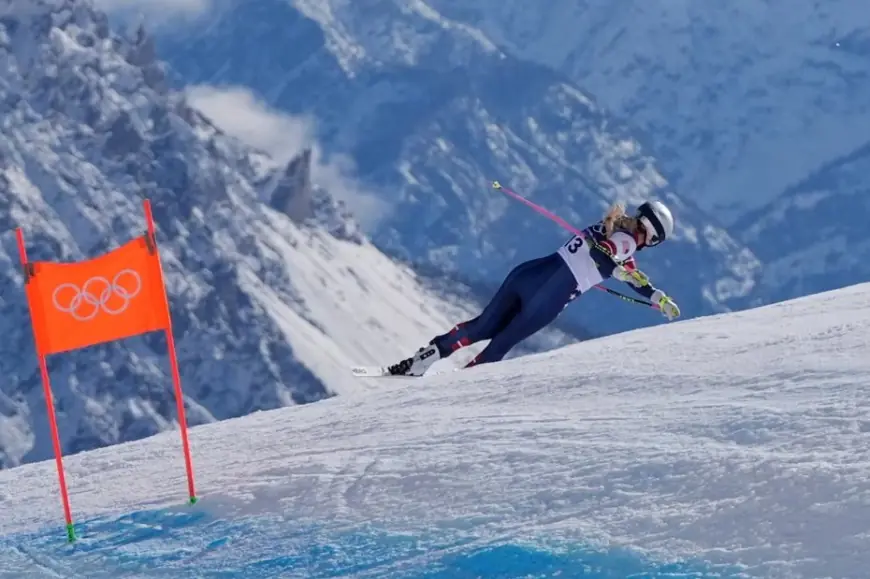
Once she was stabilized and moved off the slope, race flow resumed.
The latest official updates on her condition
Later Sunday, officials confirmed Vonn sustained a left leg fracture and underwent orthopedic surgery to stabilize it. She was initially treated locally in the Cortina area and then transferred to a larger hospital in Treviso for the procedure and ongoing care.
Officials also noted she is being treated by a multidisciplinary team, reflecting the typical approach after a high-speed downhill crash—orthopedics first, but also evaluation for additional injuries that can accompany heavy impact.
What “stable condition” means — and what it doesn’t
“Stable condition” can sound reassuring, but it’s a specific medical shorthand. In plain terms, it generally means the patient’s immediate vital signs and overall status are not rapidly worsening.
Here’s what it usually implies in a case like this:
-
Her life is not in danger based on current assessments.
-
She is responsive and being monitored in a controlled setting after surgery.
-
The main injury has been addressed with stabilization to prevent further damage.
-
It does not mean the injury is minor, painless, or that recovery will be quick.
-
It also does not rule out additional findings; follow-up imaging and observation can still surface secondary issues after the initial emergency is managed.
Officials have not provided a full timeline for rehabilitation or return to travel.
The ACL backdrop and why it raised the stakes
Vonn entered the race after a recent knee ligament injury that had already sparked concern about whether she could safely absorb downhill forces. Even if a skier can push out of the start strongly, downhill demands repeated high-load compressions, split-second corrections, and stable knee control when skis chatter or deflect on hard snow.
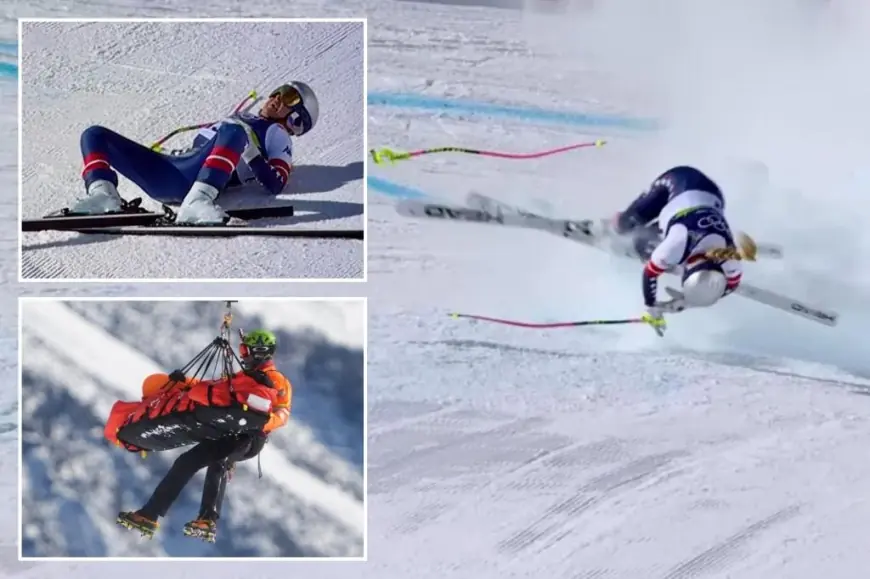
That context matters because small disruptions—like a late line into a gate or an equipment snag—are harder to save when the body isn’t at full stability. It doesn’t prove the knee caused the fall, but it explains why the crash immediately triggered heightened alarm among teammates and staff.
What happens next
The next meaningful updates are likely to focus on two areas: post-surgery recovery milestones (pain control, swelling, mobility) and any clarifications about the fracture pattern and whether additional procedures are expected. For now, the confirmed facts remain: a crash early in the downhill, a left leg fracture, surgery, and a stable post-operative status under specialized care.
Sources consulted: Reuters; Associated Press; U.S. Ski & Snowboard; Olympics.com