

























Gold price today (Feb. 8, 2026): Spot steadies near $5,000 after January record and sharp swings

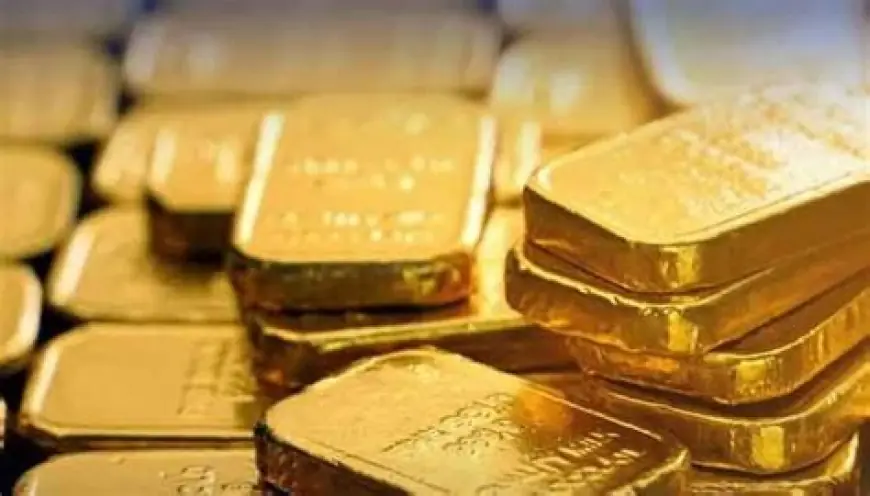
Gold prices held just under the $5,000 mark on Sunday, February 8, 2026, as traders and buyers assessed a market that has whipsawed since January’s record highs. Spot pricing was hovering in the high-$4,900s per ounce in afternoon trading, after a month defined by rapid rallies, a steep pullback, and a partial rebound that has kept both investors and physical dealers on edge.
As of 1:27 p.m. ET, live spot pricing was $4,981.33 per troy ounce, reflecting how quickly the metal’s “headline number” has shifted in recent weeks.
Where gold is trading right now
Sunday’s levels reflect a market that has cooled from late-January extremes while remaining historically elevated. Trading is thinner on weekends, so many investors watch spot indications and ETF proxies for direction heading into Monday.
| Measure | Level | As of (ET) |
|---|---|---|
| Spot gold (per troy ounce) | $4,981.33 | 1:27 p.m. |
| Spot gold (per gram) | $160.15 | 1:27 p.m. |
| Gold ETF proxy (GLD) | $455.46 per share | Last updated 8:15 p.m. Fri. |
A market still digesting January’s record highs
Gold’s recent story has been less about a slow grind and more about fast repricing. Prices surged to an all-time high in January 2026 near $5,608 per ounce, then fell sharply into the mid-$4,000s before rebounding toward the current range.
That sequence matters because it changes how different parts of the market behave:
-
Short-term traders tend to focus on momentum, stop levels, and technical ranges near big round numbers like $5,000.
-
Long-term holders often use pullbacks to add exposure, especially if they see the move as part of a broader trend.
-
Physical dealers can face a different reality: inventories, hedging costs, and customer flows that don’t always match paper-market speed.
Why prices are volatile: policy signals and safe-haven demand
Gold’s weekend level sits at the intersection of competing forces that have kept volatility high:
Shifting interest-rate expectations. Gold doesn’t pay interest, so it often benefits when investors expect lower real yields or easier policy. Even small changes in the expected rate path can move positioning quickly.
Currency and global-risk hedging. When risk sentiment swings or investors seek diversification, gold demand can accelerate. That demand has not been limited to one region, which can amplify moves when liquidity is thinner.
Central bank and institutional flows. When large buyers accumulate, it can tighten supply in ways that reinforce price strength—though those flows can be uneven and hard to time from week to week.
The physical market: sellers show up when prices spike
High prices can trigger a predictable real-world response: people sell. In early 2026, physical coin and jewelry dealers have described heavy volumes of customers bringing in gold to cash out near peak levels, sometimes overwhelming the ability to process and refinance inventory quickly.
That dynamic can create a feedback loop that looks odd from the outside: prices can be high while local shops report clogged pipelines and cautious buying, because their ability to hedge and move metal depends on capacity and spreads that widen during volatility.
What to watch next: the $5,000 level and the week ahead
For Monday and the coming week, gold watchers are likely to focus on a few practical signposts:
-
Whether spot gold reclaims and holds $5,000 on sustained trading, not just brief spikes.
-
How yields and the dollar trade as markets absorb upcoming economic signals and policy commentary.
-
Whether volatility stays elevated, which can influence margin requirements and push some participants to reduce exposure.
If gold remains pinned in the high-$4,900s, the market may be signaling a pause—buyers defending the post-selloff rebound, while sellers re-emerge near the psychological ceiling. A clean push above $5,000 with follow-through would shift attention back toward January’s highs; another rejection could keep prices range-bound and choppy.
Sources consulted: JM Bullion, GoldPrice.org, Trading Economics, Market data for GLD