
























Olympic Medal Count 2026: Latest Winter Olympics Medal Standings and U.S. Medal Count After Day 3

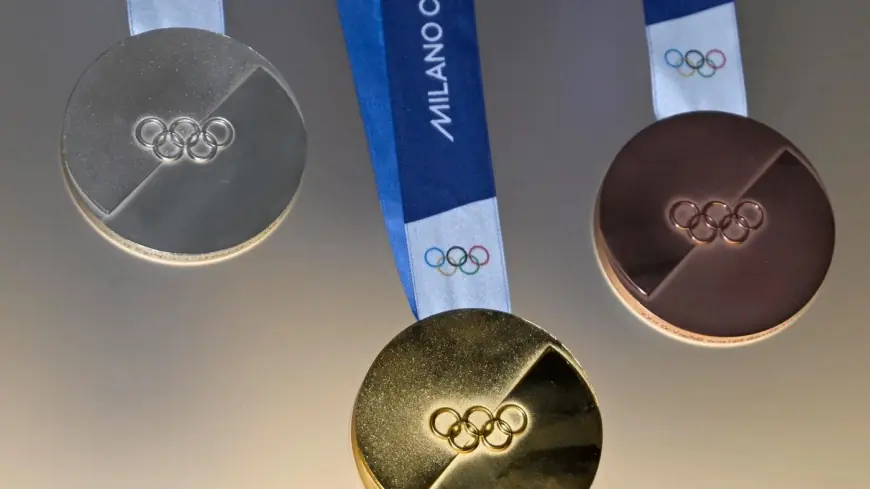
The Winter Olympics medal count at Milano Cortina 2026 is already taking shape, with early golds clustering among a handful of countries and the host nation building a quick lead in total hardware. As of Sunday, February 8, 2026, in U.S. Eastern Time, Italy sits on top of the overall medal table by total medals, while Norway has surged into the early lead for most gold medals. The U.S. medal count is now on the board with 1 gold medal.
This is still the front edge of a two-week Games, but these first medal days matter more than they look: early podiums influence funding narratives, media focus, and which athletes feel momentum versus pressure as the marquee events ramp up.
Winter Olympics medal count 2026: Top countries right now
Here’s the snapshot of the Top 10 medal leaderboard at this stage of the Games:
-
Italy: 7 medals (1 gold, 2 silver, 4 bronze)
-
Norway: 6 (3 gold, 1 silver, 2 bronze)
-
Japan: 3 (1 gold, 1 silver, 1 bronze)
-
Austria: 2 (1 gold, 1 silver, 0 bronze)
-
Czech Republic: 2 (1 gold, 1 silver, 0 bronze)
-
France: 2 (1 gold, 1 silver, 0 bronze)
-
Sweden: 2 (1 gold, 1 silver, 0 bronze)
-
Germany: 2 (0 gold, 1 silver, 1 bronze)
-
Switzerland: 1 (1 gold, 0 silver, 0 bronze)
-
United States: 1 (1 gold, 0 silver, 0 bronze)
Two quick takeaways jump out:
-
Italy’s lead is about volume, not dominance in gold. A big bronze count early is often a sign of depth across multiple venues and events.
-
Norway’s position reflects a familiar Winter Games pattern: fewer total medals than the host so far, but a higher rate of converting chances into gold.
U.S. medal count: where Team USA stands
The United States has 1 total medal so far, and it’s gold.
That “all-gold” start can be deceptively important. In medal-table optics, gold-heavy starts create a perception of strength even before the broader medal haul arrives. For Team USA, the practical story is bigger than one event: American medal growth at Winter Games typically accelerates as more snowboarding, freestyle, speed skating, and key alpine windows open up.
Behind the headline: why early medal counts are shaping the Games narrative
Early medal tables do more than rank countries; they shape incentives.
Context: The first three days are often the most volatile because a small number of events can swing the entire board. A nation with one breakout performance can look like a powerhouse, and a traditional power can look “behind” even if its strongest sports haven’t started.
Incentives:
-
Host nation incentives are massive. A fast medal start validates years of spending and planning, and keeps public energy high.
-
Federations chase momentum. Coaches and performance staff know confidence matters, especially in sports where one run decides everything.
Stakeholders:
-
Athletes feel the most direct pressure, but the ripple extends to sponsors, national programs, and even broadcasters who build programming emphasis around “who’s hot.”
-
Countries sitting just outside gold often treat early bronzes as both encouragement and frustration: close enough to believe, close enough to push harder.
Second-order effects:
-
Selection and strategy shifts can happen quickly. Teams may change start orders, equipment choices, or tactical approaches when a nation unexpectedly surges.
-
Media attention snowballs. Athletes from early-leading countries get more spotlight, which can amplify both confidence and scrutiny.
What we still don’t know about the 2026 medal race
Even with Italy and Norway setting the early tone, the biggest medal drivers of the Games can still be ahead:
-
Whether early leaders can maintain conversion rates once deeper fields arrive in later rounds and marquee finals
-
Which nations are sitting on “latent medals” in sports that haven’t fully opened yet
-
How injuries and course conditions will reshape expected podiums across alpine, sliding sports, and endurance events
What happens next: realistic scenarios to watch
-
Norway widens the gold gap
Trigger: continued dominance in its strongest endurance and snow events, turning top-five finishes into wins. -
Italy stays on top by total medals
Trigger: consistent podium depth, especially bronzes and silvers across many disciplines, even if gold totals don’t lead. -
The U.S. medal count accelerates midweek
Trigger: event clustering in American-strong sports and a few breakthrough finals that turn near-misses into podiums. -
A new challenger jumps into the top tier
Trigger: one nation lands multiple medals in a single sport block, reshaping the table in a 24-hour span.
Why the Olympic medal count matters right now
The medal table is a scoreboard, but it’s also a story engine. It influences how countries evaluate success, how athletes carry pressure, and how the next week of competition is framed. With the Games still young, the standings are real but not settled, and the next wave of finals will decide whether today’s leaders are building a lasting edge or simply riding the first surge.
If you want, tell me which country you care about most, and I’ll summarize their medal position, what events are likely to move their total next, and the realistic paths to climbing the table.