

























Top Chinese Electric Vehicles Canadians Are Eager to Purchase

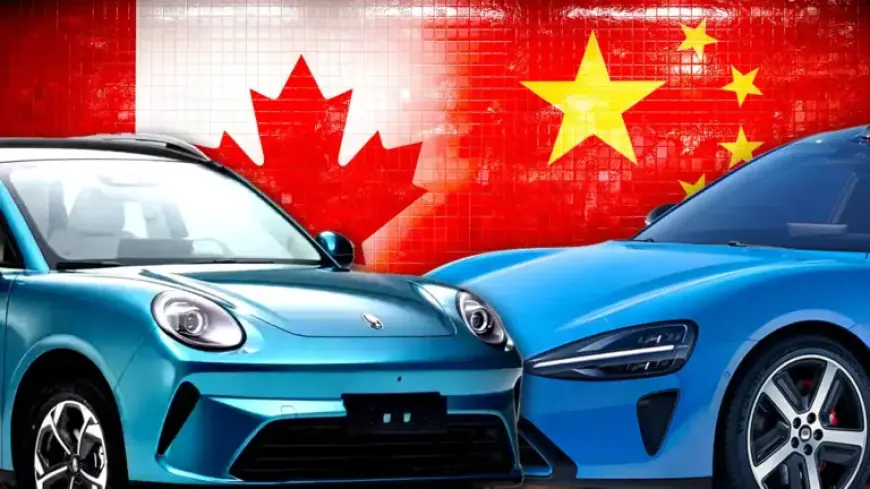
A recent trade agreement between Canada and China is set to revolutionize the electric vehicle (EV) market in Canada, allowing cheaper Chinese EVs to enter the country. The deal involves a significant reduction in tariffs on Chinese EVs from 100% to just 6.1%. In return, China will ease tariffs on certain Canadian agricultural exports, particularly canola.
Key Aspects of the Trade Agreement
- Tariff Reduction: Chinese EV tariffs decrease from 100% to 6.1%.
- Initial Import Cap: Set at 49,000 vehicles annually.
- Future Growth Potential: Potential increase to 70,000 vehicles in five years.
- Affordable Options: Nearly half of the new EVs may cost less than CAD 35,000.
Competitive Models from Chinese Manufacturers
As the market opens, several Chinese models are likely to capture Canadian consumers’ attention:
- BYD Seagull: A compact vehicle ideal for city driving, sometimes marketed as the Dolphin Surf.
- Xpeng P7+: A stylish sedan expected to attract those looking for performance and aesthetics.
- Xiaomi SU7 and YU7: Sedans and SUVs that could exceed the CAD 35,000 budget but promise advanced features.
- Mazda EZ-6, Toyota bZ7, and Nissan NX8: Other Western brands already producing market-specific models that may enter Canada.
Challenges and Considerations
The arrival of these vehicles brings excitement but also challenges. Concerns about service networks, reliability, and market integration remain. Canadian consumers will need to evaluate how well these new entrants can compete with established brands.
The opening of the Canadian EV market to Chinese manufacturers presents a promising future for affordable electric vehicles. As new models begin to appear in showrooms, Canadians can look forward to exploring their options in this evolving landscape.