

























Lindsey Vonn injury update to watch for: official exam results, imaging, and whether she’s ruled out of any further Olympic events

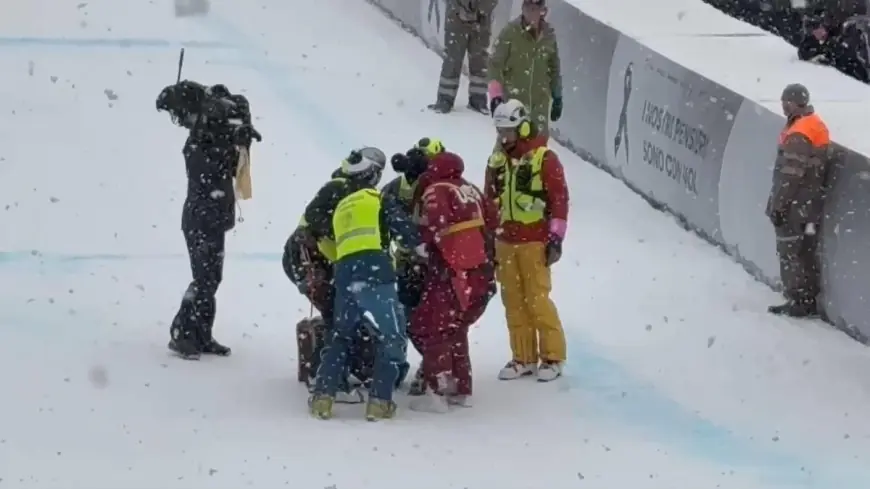
Lindsey Vonn was taken off the mountain by helicopter after a hard crash early in the women’s Olympic downhill on Sunday, February 8, 2026 (ET). Team officials said she would be evaluated, and a later team update described her as in stable condition, but detailed exam findings and imaging results were not publicly released as of Sunday afternoon (ET).
Because she entered the race already managing a serious left-knee injury, the next official medical steps matter not just for recovery, but for whether she can start any additional Olympic events.
What is known right now
The clearest confirmed points are limited and largely procedural: Vonn crashed seconds into her run after clipping a gate, required on-slope medical attention, and was evacuated by helicopter for hospital evaluation. Team leadership indicated she would be OK but that “it’s going to be a process,” signaling concern without specifics.
No public document has yet listed a definitive diagnosis from Sunday’s crash (for example: fracture, ligament tear, dislocation, concussion, or internal bleeding). Until that happens, any claims of a precise injury mechanism from the crash itself should be treated as unconfirmed.
Lindsey Vonn's accident
by u/Ecstatic-Ganache921 in olympics
Official exam results to watch for
When an elite downhill skier is transported after a high-energy fall, the first “official exam” details that typically drive decisions are functional and safety-critical. The updates most worth watching for from the team, medical staff, or organizers are:
-
Neuro and concussion screening: symptoms, loss of consciousness (if any), and whether she’s placed in a concussion protocol.
-
Neurovascular checks in the legs: circulation and nerve function in the feet and lower legs, which can be urgent after twisting trauma.
-
Knee stability findings: whether there’s new instability beyond her known issues (especially if the crash involved awkward rotation or hyperextension).
-
Fracture and spine precautions: whether pain or tenderness suggests bone injury requiring immobilization or additional imaging.
-
Range of motion and swelling pattern: rapid swelling can suggest internal joint bleeding; delayed swelling can still be significant.
These elements often determine the immediate “ruled out” call even before a full imaging read is finalized.
Imaging: X-ray, CT, MRI, and what each would mean
If imaging results are shared publicly, pay attention to which modality is mentioned—each answers a different question:
-
X-ray: used first to check for fractures and obvious dislocations (including patella and tibial plateau concerns).
-
CT: used when a complex fracture is suspected or when more detail is needed than X-ray provides.
-
MRI: used to assess soft tissue—ACL/PCL, meniscus, cartilage, bone bruising, and tendon injury—especially important given Vonn’s knee history.

In Vonn’s case, MRI language matters because she had already disclosed a complete left ACL rupture with associated bone bruising and meniscal damage from a late-January crash. If Sunday’s fall produced new injury, the key question is whether there’s additional structural damage (new ligament involvement, worsening meniscus tear, cartilage injury, or a fracture) that changes functional stability and safe load-bearing.
If updates mention “imaging negative” or “no fracture,” that does not automatically mean she’s cleared; it can simply narrow the problem to soft-tissue injury or concussion-related issues.
Whether she’s ruled out of further Olympic events
As of Sunday afternoon (ET), there has been no public confirmation that Vonn is ruled out of any additional Olympic starts. The strongest available statement is that she will be evaluated, plus the “stable condition” update—neither one is a clearance, and neither one is an event withdrawal.
What typically triggers an immediate rule-out in alpine skiing after an evacuation like this includes:
-
Confirmed fracture or joint dislocation
-
Significant new ligament damage that compromises stability
-
Concussion symptoms that fail return-to-activity criteria
-
Severe pain and swelling that prevents safe training runs
Even if imaging is reassuring, officials can still hold an athlete out if stability, swelling control, or neurologic symptoms don’t meet safety thresholds—especially in speed events where a minor deficit can have major consequences.
What the next 24–72 hours usually decide
In the short window after the crash, watch for three types of updates, in this order:
-
Mobility and weight-bearing (Can she walk with assistance? Is pain controlled?)
-
Imaging summary (Fracture yes/no; new soft-tissue damage yes/no)
-
Competition status (Withdrawn, questionable, or cleared for training)
If the team announces a timeline for repeat imaging or swelling reassessment, that’s often a signal they’re still determining whether the injury is “new damage” or an acute flare-up layered on pre-existing issues.
Sources consulted: Associated Press; Reuters; NBC Olympics; CBS Sports