






















Kid Rock faces festival turbulence as tour plans and Super Bowl counterprogramming collide

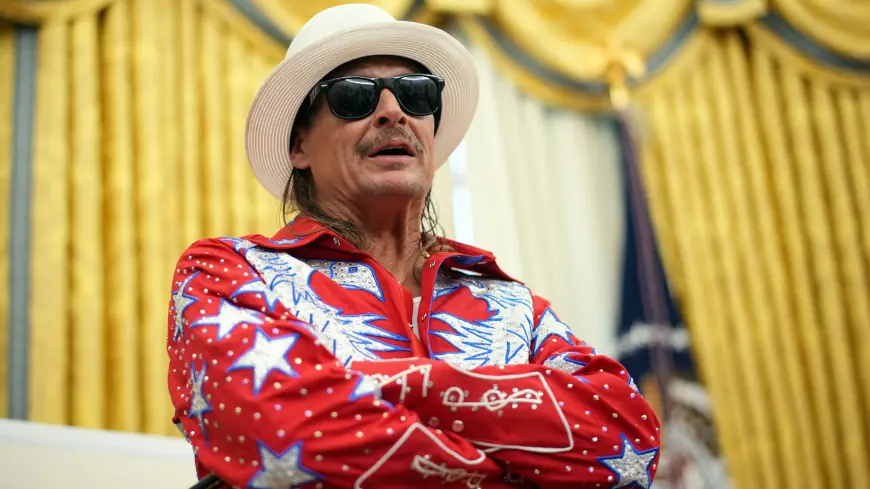
Kid Rock is entering Super Bowl Sunday with momentum on stage but growing turbulence off it, as a politically charged live-events strategy runs into pushback from other performers and local organizers. The flashpoint is a canceled stop on his “Rock the Country” festival run, announced this weekend after multiple scheduled acts exited the lineup, while a separate “Freedom 250” summer tour push continues to roll forward with ticket sales set for later this week.
The developments land at a moment when Kid Rock’s brand—equal parts arena showmanship and culture-war provocation—keeps generating headlines that can help sell tickets and simultaneously complicate partnerships.
Kid Rock and a festival setback in South Carolina
The most immediate business hit is the cancellation of the Anderson, South Carolina, stop of “Rock the Country,” a two-night event that had been scheduled for July. In recent days, several artists originally billed for the Anderson date withdrew from the lineup, and local officials said they were informed the stop was being scrapped without a detailed public explanation.
The exits added up quickly: a major rock headliner publicly stepped away citing a desire to avoid contributing to division, following earlier withdrawals by several other performers. By the time the Anderson date was called off, the event had become less a music weekend and more a referendum on whether artists want to share a bill when the marketing leans hard into partisan identity.
Organizers have indicated the wider multi-city run remains on the calendar, but the Anderson cancellation is a reminder that festival routing is only as stable as its co-headliners—especially when sponsorship, community partners, and performer reputations are all in play.
Why “Rock the Country” is drawing scrutiny
“Rock the Country” has been promoted as a small-town tour tied to America’s approaching 250th anniversary, built around patriotic themes and a lineup that blends rock and country acts. That framing is also what makes it volatile: a celebration pitch to one audience can read as a political signal to another.
For artists who build careers on wide appeal, the risk is not only fan backlash but also internal brand conflict—especially if they believe a bill will be interpreted as an endorsement of a broader message. The Anderson unraveling suggests a new reality for big summer packages: in a polarized climate, lineup cohesion can be as important as ticket demand.
A new amphitheater run still moves ahead
Even with the festival noise, Kid Rock’s broader touring machine is still expanding. His newly announced “Freedom 250” tour is set to run from May 1 through June 20, 2026, built around amphitheater dates and a rotating set of supporting acts in different cities.
Tickets are scheduled to go on sale Friday, February 13, 2026, with onsales typically beginning at 10:00 a.m. ET (local venue times may vary). The routing appears designed to complement the festival calendar—keeping him visible through the spring and early summer while leaning into the same patriotic anniversary theme that underpins “Rock the Country.”
The commercial bet is straightforward: a compact run in major markets can sell strongly even if a festival date stumbles, particularly when the headline act has a loyal base that buys early and travels.
The Super Bowl counterprogramming moment
Kid Rock is also slated to headline an alternative halftime event positioned as counterprogramming to the NFL’s official halftime show. The concept is tailored to audiences who want a different cultural tone than what they expect from the main broadcast production.
This is not a stadium halftime replacement; it’s a parallel show intended for viewers choosing a different feed during the break. Its visibility is high because it shares the Super Bowl’s attention window—likely landing around 8:00 p.m. ET depending on game flow.
For Kid Rock, the upside is obvious: a national-stage spotlight without the constraints of the NFL’s main production. The downside is equally clear: it further ties his performances to political identity rather than just entertainment, which can affect who wants to appear alongside him on future bills.
What to watch next
Three practical questions will shape how this story develops over the next few weeks:
-
Will other festival stops see lineup changes? One canceled date can be isolated, but additional reshuffles would suggest broader instability.
-
How will organizers adjust messaging? If marketing shifts toward a more purely musical pitch, that could reduce friction with prospective co-headliners.
-
Will the spring tour sales confirm demand? The February 13 onsale will be a key read on whether controversy is a drag on conversions or simply more fuel for engagement.
Kid Rock’s live business has always thrived on spectacle and provocation. The difference now is that the same tactics that energize core fans can also narrow the pool of artists and partners willing to share the stage—turning a touring season into a constant test of coalition-building.
Sources consulted: ABC News, People, Deadline, The Independent