

























Winter olympics schedule and results: Early medals set the tone in Italy

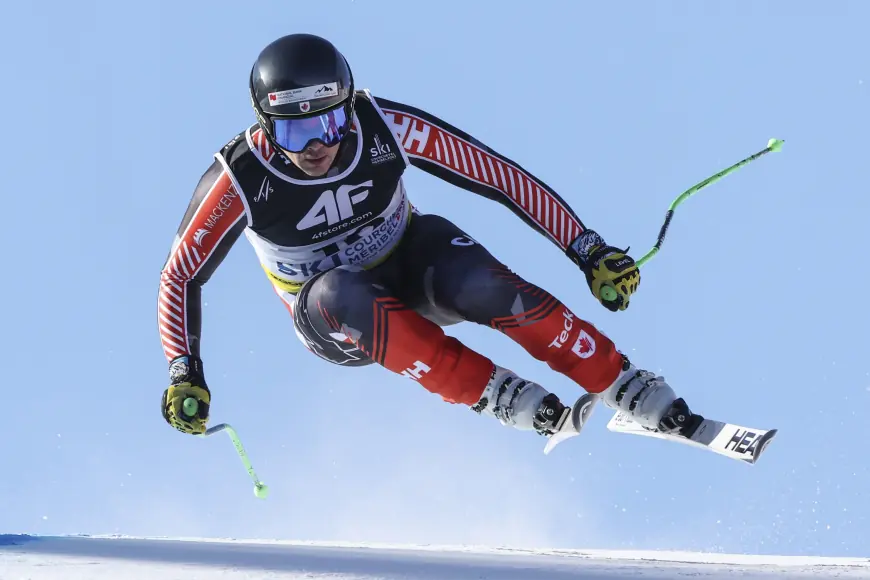
The winter olympics schedule and results are moving fast as Milano Cortina 2026 gets through its first full weekend, with medal events already reshaping expectations for hosts, traditional powerhouses, and a few breakout contenders. With competitions spread across northern Italy, the early slate has mixed high-profile wins, tight finishes, and the first real clues about where the medal race may be headed.
Winter olympics schedule and results: early medal picture
As of Sunday, Feb. 8, 2026 (late morning ET), the medal table is still tightly packed, with several countries clustered together after the first wave of finals.
| Rank | Country | Gold | Silver | Bronze | Total |
|---|---|---|---|---|---|
| 1 | Italy | 1 | 1 | 1 | 3 |
| 2 | Japan | 1 | 1 | 1 | 3 |
| 3 | Norway | 1 | 1 | 1 | 3 |
| 4 | Sweden | 1 | 1 | 0 | 2 |
| 5 | Switzerland | 1 | 0 | 0 | 1 |
Early counts can swing sharply day to day as new sports begin their medal runs and team events add multiple podiums in a short window.
Highlights from the first medals
Several results have already become early headline moments:
-
In speed skating, Italy grabbed a major home boost when Francesca Lollobrigida won women’s 3,000 meters gold on Saturday, Feb. 7, setting an Olympic record time of 3:54.28.
-
In cross-country, Norway’s Johannes Høsflot Klæbo won the men’s skiathlon (10 km classic + 10 km freestyle) on Sunday, Feb. 8, adding another Olympic gold to his résumé after a decisive finish.
-
In alpine skiing, Team USA earned a marquee breakthrough on Sunday, Feb. 8, as Breezy Johnson won women’s downhill gold in Cortina, edging Germany’s Emma Aicher by 0.04 seconds, with Italy’s Sofia Goggia taking bronze.
Those three results alone underline a theme of the opening days: familiar giants are delivering, but the host nation and a few key individuals are also creating immediate pressure on the rest of the field.
What’s coming up next (Feb. 9–11)
The next three days stack multiple disciplines at once, which is when the Games typically start to feel “full,” especially for fans trying to follow more than one sport.
Monday, Feb. 9: sliding sports ramp up with skeleton and luge, mixed-doubles curling continues (including a U.S. vs. Italy matchup), and the day brings a spread of slope events (alpine, freestyle, snowboarding, ski jumping, Nordic combined). Speed skating features a women’s 1,000-meter medal event, while figure skating shifts into a busy rhythm dance session.
Tuesday, Feb. 10: the program broadens further with more biathlon and cross-country, plus short track speed skating joining the mix. Curling round-robin play remains a daily anchor, and ice hockey keeps building toward higher-stakes games later in the schedule.
Wednesday, Feb. 11: another multi-sport day, with continued alpine, biathlon, skating, and sliding events—often a key point where medal “depth” starts to matter as nations chase podiums beyond their headline stars.
Time-zone reality for viewers in ET
Most competition sessions take place on local time in Italy, which runs six hours ahead of Eastern Time. That means many marquee finals land in the morning or early afternoon ET, with some late local sessions hitting U.S. daytime rather than prime time.
A practical way to think about it: a 2:00 p.m. start in Italy is typically an 8:00 a.m. start ET. For medal-heavy sports like alpine skiing, cross-country, and biathlon, that often makes early-day ET viewing the sweet spot.
What to watch over the next week
A few storylines are already forming that should sharpen as the schedule deepens:
-
Home momentum: Italy’s early gold matters beyond the standings; it can boost confidence in sports where hosts have multiple medal chances still to come.
-
Nordic dominance vs. challengers: Norway’s start looks strong, but the tight early table suggests several nations are within striking distance if they string together podiums across endurance and technical events.
-
Alpine swings: Downhill results can signal form, but the alpine calendar tends to produce volatility as conditions change and different disciplines reward different strengths.
With more medal-dense days ahead, the next 72 hours should do a better job of separating “early leaders” from “true front-runners,” especially once additional sliding and skating medals begin to stack up.
Sources consulted: Reuters, Associated Press, CBS News, Wikipedia